


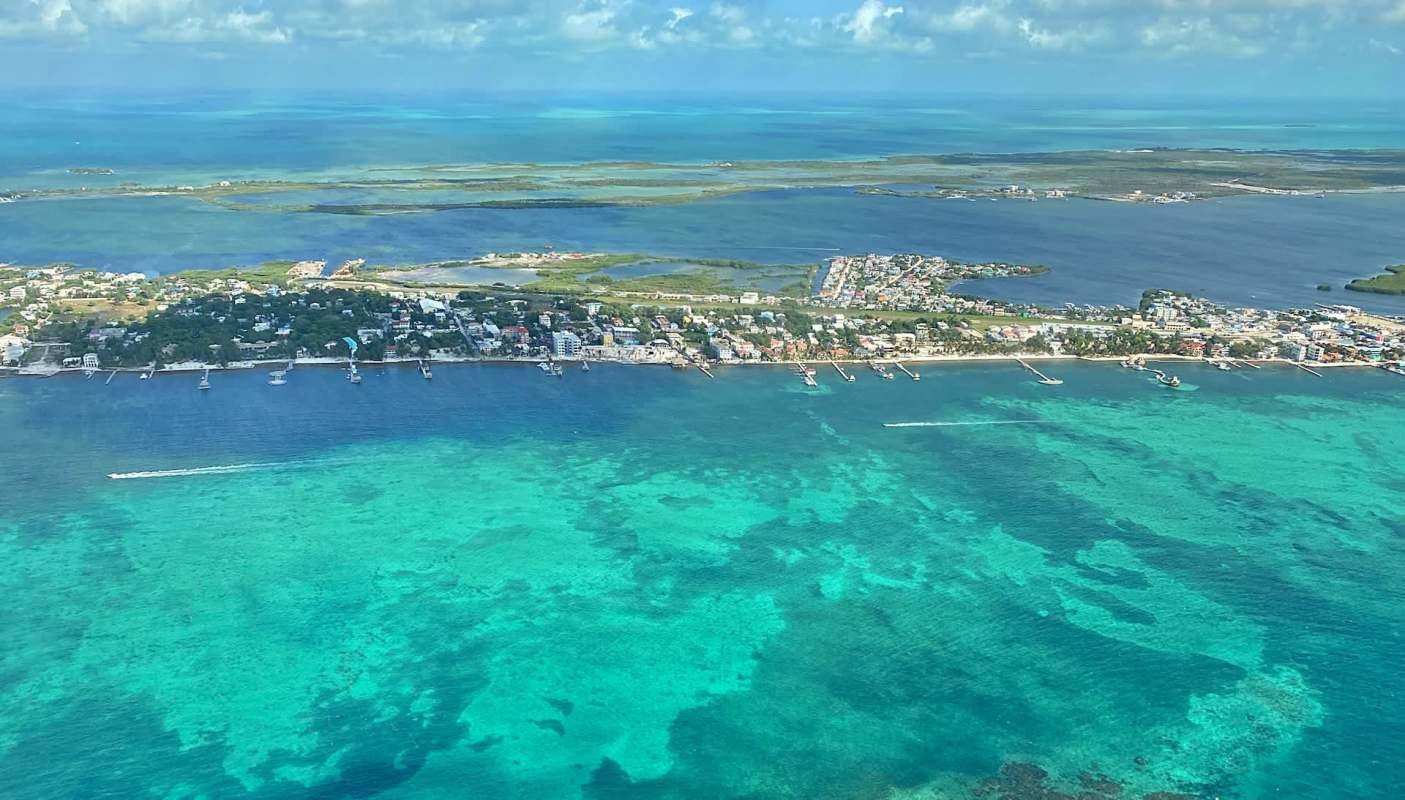
The Nassau grouper was once one of the most common and commercially valuable fish in the Caribbean. Each winter, thousands of these fish historically gathered at reef sites to reproduce, creating one of the region's most important natural events.
But a new study, reported by Mongabay, determined that these gatherings in Belize are nearing collapse and are causing issues for both marine ecosystems and the communities that depend on a healthy coast.
What's happening?
A 2025 study published in Coral Reefs found that the Nassau grouper spawning aggregation at Northeast Point on Glover's Reef declined by 85% over the past 20 years and by 97% since 1975, according to the authors of the study. The research analyzed spawning counts, fishery records, and underwater surveys collected between 2000 and 2023.
"This didn't start overnight," lead author Myles Phillips, a Ph.D. candidate at James Cook University, told Mongabay after telling the outlet that this has been a known issue since the 80s.
Why are healthy fish populations important?
The Nassau grouper is a top reef predator that helps regulate fish populations and maintain reef balance, according to Marine ecologists cited in the Mongabay report. When spawning aggregations disappear, the loss can disrupt entire reef systems and reduce the number of fish that coastal fishers catch for income.
Marine species already face extinction due to overfishing, warming waters, and pollution. There have even been increasing concerns over how loud industrial noise is because it impacts the marine life balance.
What's being done about marine protection?
Belize has year-round protections for Nassau groupers at Glover's Reef, according to the Belize Fisheries Department. However, enforcement at the remote site is still limited, and illegal local and cross-border fishing continues. Protected spawning sites in Belize have remained stable when oversight is consistent, according to the study cited by Mongabay.
If you want to get involved with conservation efforts that protect both wildlife and the planet, you can get involved locally and support local initiatives, as well as talk with family and friends about marine protection as a way to build public awareness and stronger safeguards.
"Despite two decades of protective regulations, enforcement remains under-resourced, and illegal fishing continues unchecked," said the Belize Federation of Fishers in a statement.
|
How concerned are you about the plastic waste in our oceans? Click your choice to see results and speak your mind. |
 Extremely 😫
Get TCD's free newsletters for easy tips to save more, waste less, and make smarter choices — and earn up to $5,000 toward clean upgrades in TCD's exclusive Rewards Club.
TCD Picks » Quince Spotlight
💡These best-sellers from Quince deliver affordable, sustainable luxury for all




Cool Picks






