


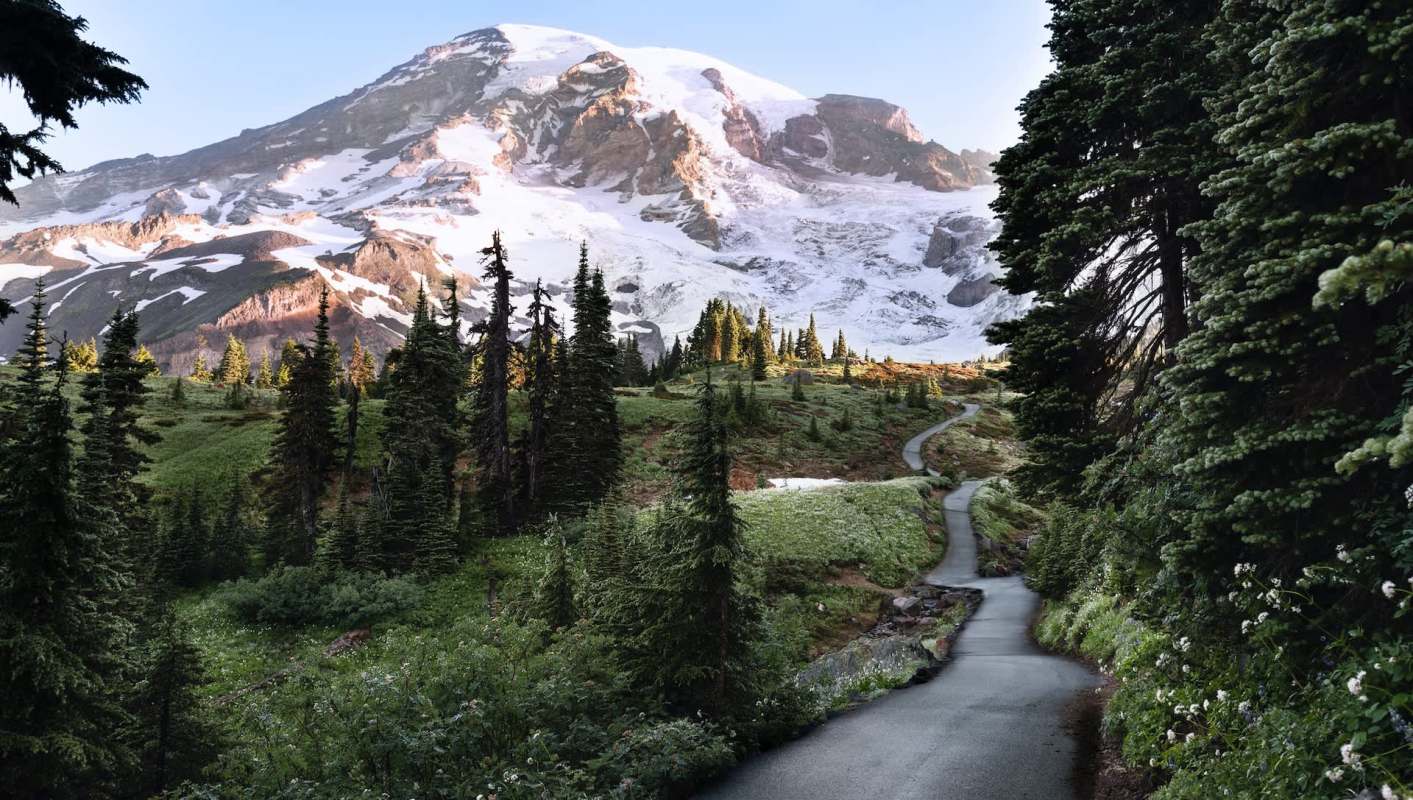
Mount Rainier, one of the most iconic peaks in the United States, is slowly losing its elevation.
According to ABC News, research shows the mountain's summit has continued to drop, a sign of how quickly rising global temperatures are reshaping even the most enduring landmarks.
What's happening?
A study published in Arctic, Antarctic, and Alpine Research found that the pinnacle has likely sunk over 20 feet since the mid-20th century as long-standing snow and ice have melted away.
Researchers used satellite data, laser measurements, and historical photographs to track changes across five year-round frozen peaks in Washington. Four of the five experienced major height loss, and most of that change happened in just the last 30 years.
"The average air temperature on these summits is significantly higher than it was in the 1950s, almost 5.5 degrees Fahrenheit," co-author Eric Gilbertson said in a statement.
Why is Mount Rainier's shift concerning?
Mount Rainier is a big deal as the most glaciated mountain in the lower 48 states and an essential water source for millions of people in the Pacific Northwest.
Its glaciers feed the headwaters of five major watersheds, supporting everything from drinking water to salmon habitats to hydropower generation. As ice shrinks, these systems can become more unpredictable.
This discovery is being reflected around the globe. Increasing temperatures are melting frozen regions faster than many models predicted.
Similar stories of glacier-related critical climate issues have surfaced even in remote regions, and if widespread ice loss continues, sea levels could rise by a few feet this century. That would put coastal communities at far greater risk during hurricanes and other major storms, which are now supercharged by Earth's overheating.
What's being done about the ice melt?
Not all emerging research is grim. A recent study in Communications Earth and Environment found that as Arctic ice melts, microbes may play a larger role in feeding marine ecosystems. It's a reminder that the natural world is constantly adapting, even as we work to slow the pace of these changes.
TCD Picks » Quince Spotlight
💡These best-sellers from Quince deliver affordable, sustainable luxury for all




|
Do you think America does a good job of protecting its natural beauty? Click your choice to see results and speak your mind. |
 Definitely 👍
 As far as Mount Rainier goes, researchers emphasized the need for better monitoring of ice-capped summits, updated maps, and more frequent resurveying to help communities prepare for the ripple effects of the changing mountain.
Unfortunately, ice sheets will continue to melt as long as we rely on dirty energy sources. Only by reducing reliance on these planet-warming fuels can we create a cooler, healthier future.

💰Get TCD's free newsletters for easy tips to save more, waste less, and make smarter choices — and earn up to $5,000 toward clean upgrades in TCD's exclusive Rewards Club.
Cool Picks






