


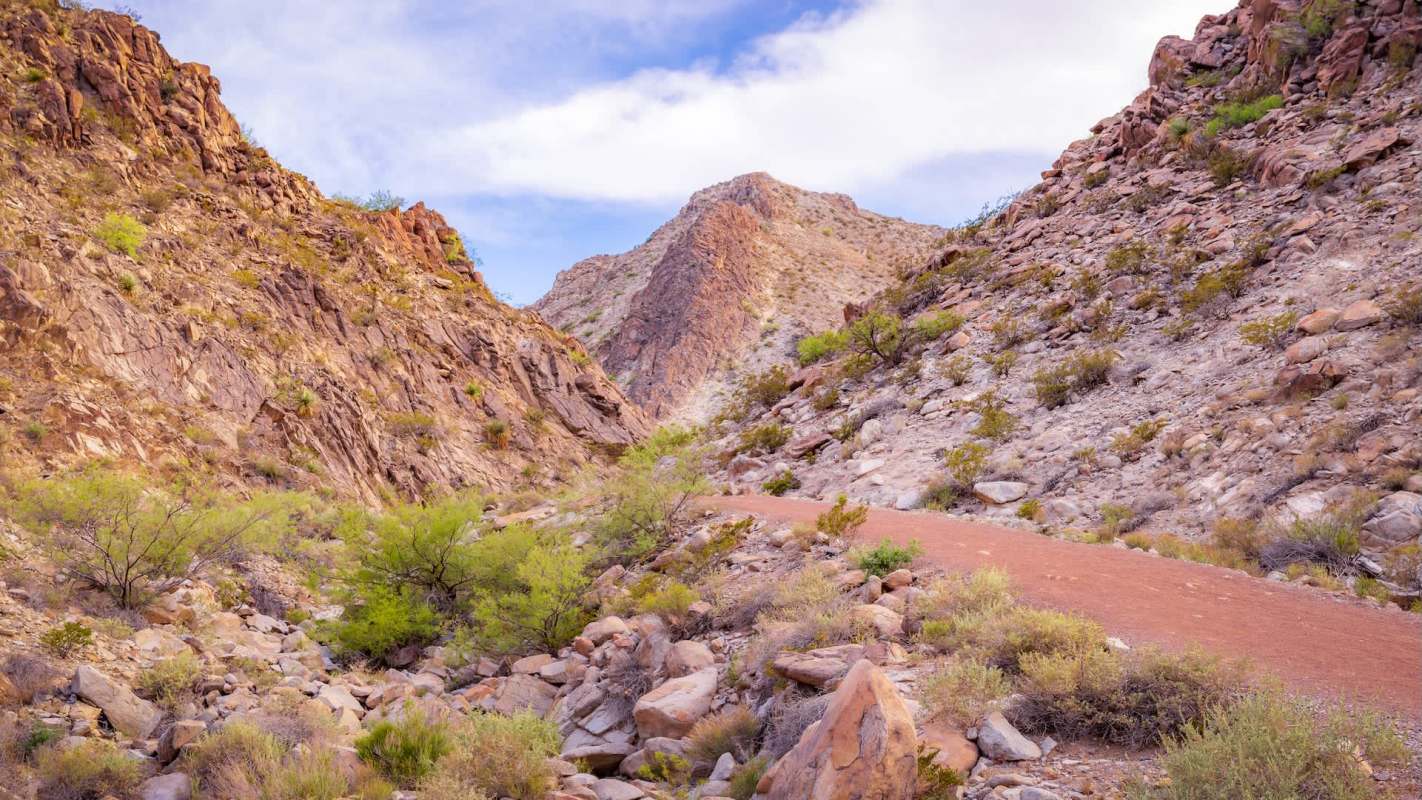
Mount Cristo Rey is about 4,500 feet above the U.S.-Mexico border, and the mountain is also the site of controlled explosions tied to new border wall construction, which could cut off one of the last wildlife passageways between the mountains, according to El Paso Matters.
What's happening?
U.S. Customs and Border Protection began construction last month on a 1.3-mile segment of border wall at the base of Mount Cristo Rey. Video footage of explosions circulated on social media in January, and officials confirmed it was part of the demolition to build a concrete base for the wall.
CBP's John Mennell said in an email to El Paso Matters that controlled explosions will continue throughout the project, which is set to finish in October 2027, and added that this area is one of the busiest routes for human smuggling. The barrier wall will be 30 feet tall, with 6-inch steel pillars spaced 4 inches apart and reinforced with concrete. CBP also plans to install lights, cameras, roads, and detection technology.
In response to the plan, Secretary of Homeland Security Kristi Noem waived federal environmental laws to expedite the construction of the wall, and CBP received 224 comments, and about 40% of them expressed concern that the wall is negatively impactful to the habitat, biodiversity, and the well-being of wildlife, according to a feedback report cited by El Paso Matters.
Why is this project concerning?
Neglecting the well-being of this biodiverse desert ecosystem is concerning because, according to wildlife biologist Kylie Rezendes, it supports species such as mule deer, javelinas, coyotes, gray foxes, and mountain lions.
"You drive around the greater El Paso area and see garbage dumped in back roads. It's not seen as special. But it takes the desert 100 years to make 1 inch of quality soil. The desert is very special in its ecology in how long it takes to become viable enough to make plants grow," Rezendes told El Paso Matters.
A conservationist in Ciudad Juárez, Ray Aguilar, said the corridor allows species to distribute their genetic material across borders, supporting resilience and adaptation. An analysis found that completed wall segments have reduced wildlife crossing success rates to roughly 9% compared to other older barriers. Scientists have also said that the construction of continuous barriers is an uncontrolled "ecological experiment."
To make matters more difficult, biodiversity loss is already being intensified by rising global temperatures and habitat destruction from human-driven pollution.
"Scientists say right now that we're in the sixth great extinction. Mammals are dying at a rapid pace, so any sort of stopping of their ability to survive, I think is uncalled for," Rezendes added, per El Paso Matters.
What's being done for conservation?
CBP said it completed biological and cultural surveys and will suspend construction if federally listed threatened or endangered species are seen while they're working, according to El Paso Matters. CBP also said that the survey results will help craft an Environmental Stewardship Plan.
TCD Picks » Upway Spotlight
💡Upway makes it easy to find discounts of up to 60% on premium e-bike brands





Readers looking to better understand how border infrastructure affects ecosystems can explore critical climate issues, including the importance of wildlife corridors and green spaces for habitat (and humans) to thrive.
|
What's the most you'd pay per month to put solar panels on your roof if there was no down payment?
Click your choice to see results and speak your mind. |
 $200 or more 💰
Get TCD's free newsletters for easy tips to save more, waste less, and make smarter choices — and earn up to $5,000 toward clean upgrades in TCD's exclusive Rewards Club.
Cool Picks






