


Hunters in one Canadian province have been pressured to hand over their licenses after worries about the dwindling moose population and its impact on Indigenous communities.
According to CBC News, citizens of Pimicikamak Cree Nation took out a full-page advertisement in the Winnipeg Free Press condemning the province of Manitoba for issuing hunting licenses despite being warned about low moose numbers.
In the ad, Pimicikamak accused the province of violating treaty rights as well as the Northern Flood Agreement. Per CBC News, the 1977 agreement gave First Nations "first priority to all wildlife resources within their traditional trapline zones and territories."
Manitoba's Natural Resources Minister Ian Bushie said the province planned on issuing 350 moose hunting licenses in four game-hunting areas. However, legal representatives said license hunting should be prohibited until all Pimicikamak have their necessities.
"We haven't honored our part of the bargain to give first priority, top priority to the citizens of Pimicikamak so they can meet their food needs," Byron Williams, a lawyer who represented Pimicikamak, told CBC News. "This is the ultimate broken promise."
A United Nations report found that up to 1 million species are at risk of extinction due to various factors, including human activities like hunting. Hunting and fishing bans can help maintain the biodiversity that is critical for our ecosystems to function.
Perk up the winter blues with natural, hemp-derived gummies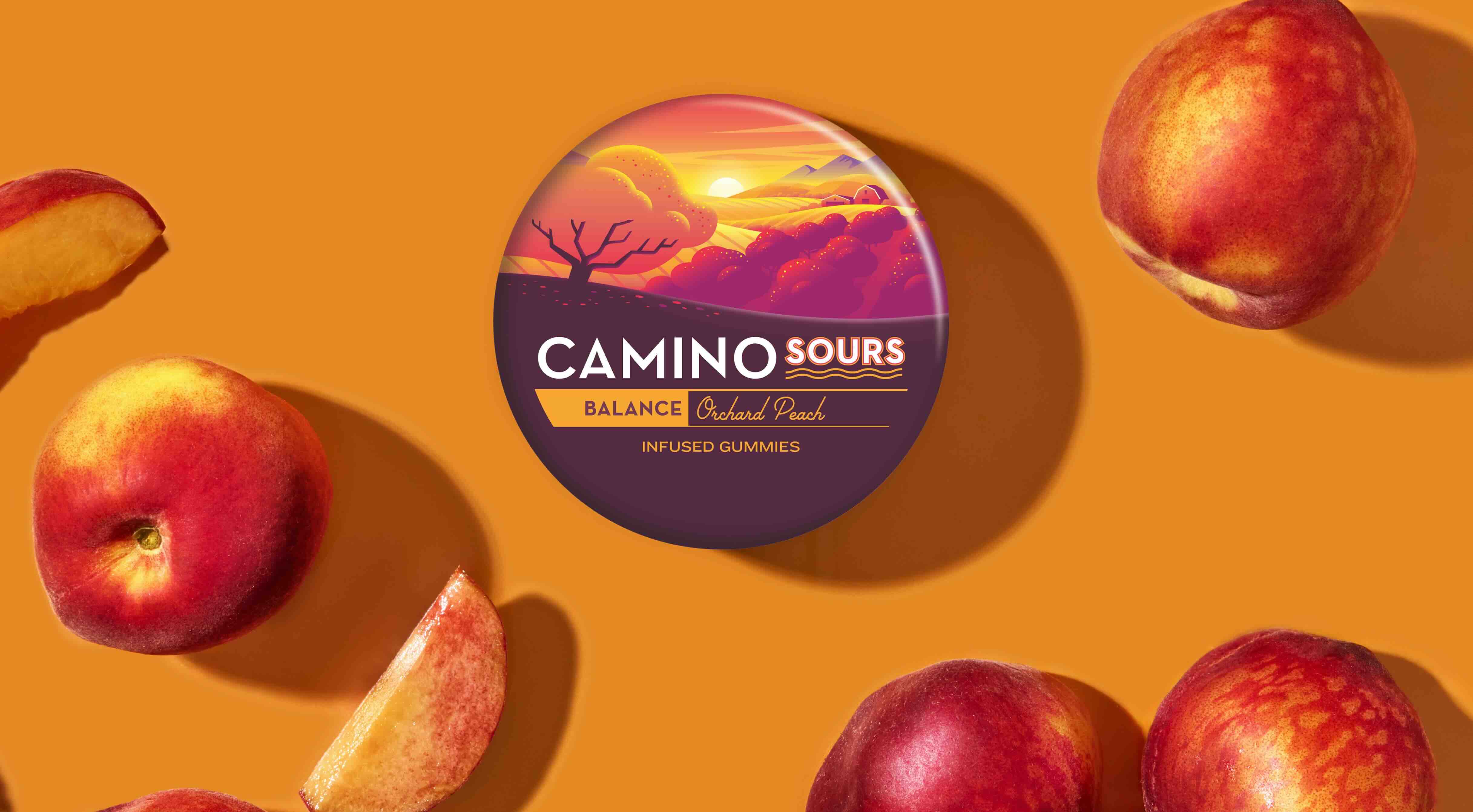 Camino's hemp-derived gummies naturally support balance and recovery without disrupting your routine, so you can enjoy reliable, consistent dosing without guesswork or habit-forming ingredients. Flavors like sparkling pear for social events and tropical-burst for recovery deliver a sophisticated, elevated taste experience — and orchard peach for balance offers everyday support for managing stress while staying clear-headed and elevated.
Learn more → |

According to Stanford University researchers, fishing bans can protect overfished regions without having an impact on those who depend on fishing for their livelihood. As for hunting, stricter laws have been implemented worldwide in recent years.
In the United Kingdom, officials called for stronger regulations surrounding fox hunting. Switzerland also announced new measures in the canton of Fribourg in an effort to protect the chamois ram population.
While these types of bans and regulations help keep animal populations from declining, it is important to note that communities like the Pimicikamak Cree Nation rely on hunting animals like moose to feed their families.
In addition to Pimicikamak, other Indigenous communities have also urged Manitoba leaders to stop issuing licenses in traditional territory. Earlier this year, CBC News reported that Misipawistik Cree Nation sued the Manitoba government for infringing on its right to hunt moose.
TCD Picks » Upway Spotlight
💡Upway makes it easy to find discounts of up to 60% on premium e-bike brands





"I'm concerned that the way the province is managing the moose is going to lead to a complete inability for our people to hunt for our food needs," Misipawistik Chief Heidi Cook told CBC News.
|
Do you think humans are doing enough to protect endangered animals? Click your choice to see results and speak your mind. |
 Definitely 👍
Get TCD's free newsletters for easy tips to save more, waste less, and make smarter choices — and earn up to $5,000 toward clean upgrades in TCD's exclusive Rewards Club.
Cool Picks






