


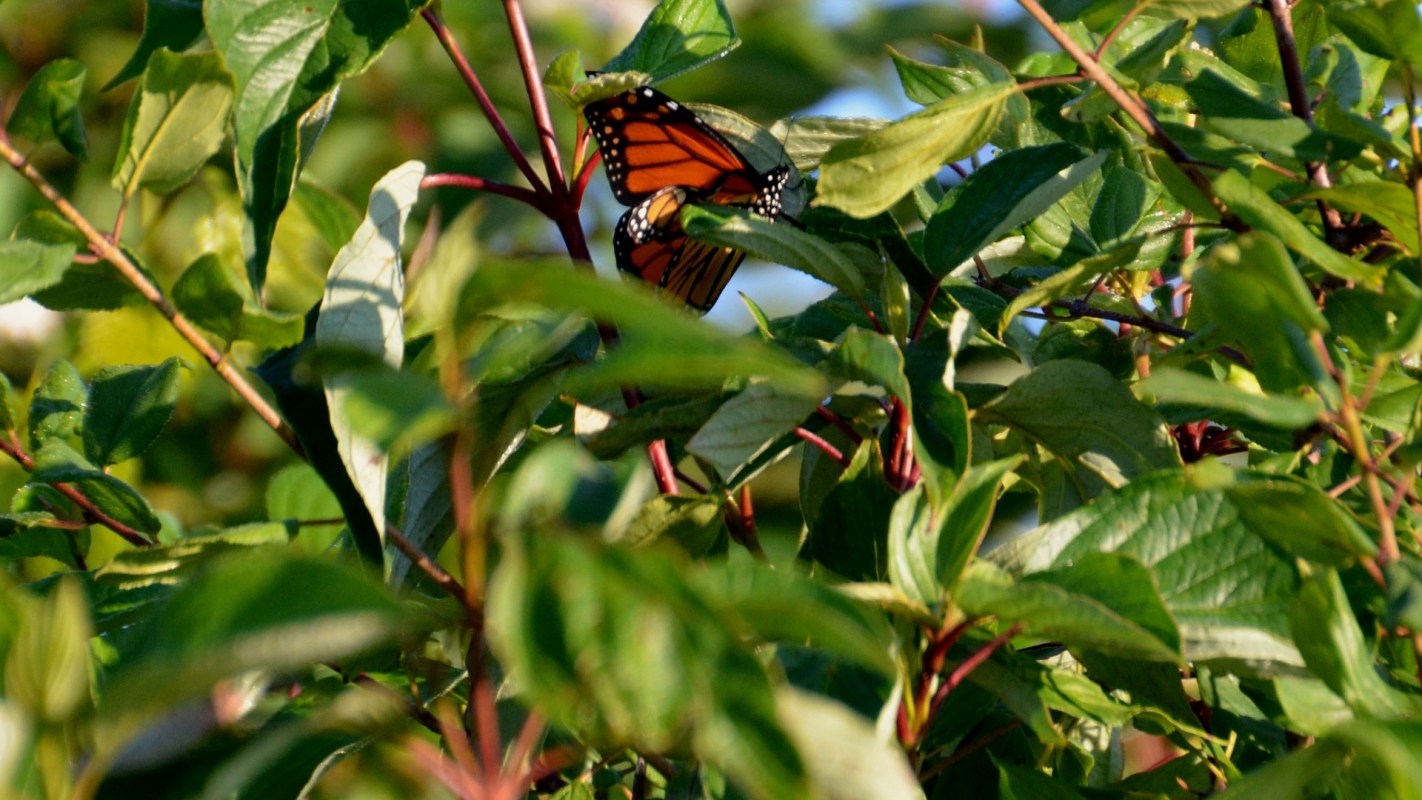
Threatened by herbicide use, habitat loss, and warmer temperatures that encourage parasitic development, monarch butterflies face a wide range of threats that have pushed this important pollinator to the brink of extinction.
More recently, researchers have identified yet another threat to add to the growing list of dangers facing monarch butterflies.
What's happening?
A recently published study in the journal Global Change Biology Communications explored how planet-warming affects nectar plants and, subsequently, the wildlife that feed on them.
Researchers found that a "modest warming" of 33 degrees Fahrenheit reduced floral abundance and decreased nectar sucrose concentration in nectar plants. Warmed plants experienced 12.9% fewer open flowers per stem and a 24% decrease in nectar sucrose concentration compared to non-warmed plants.
Additionally, adult monarchs that fed on warmed-nectar plants had about a 26% lower fat mass than those that fed on non-warmed plants, suggesting a significant difference in the quality and nutrition of plant nectar between the two.
"Even though the butterflies could eat as much as they wanted, they couldn't make up for the lower-quality nectar," explained Heather Kharouba, a biology professor at the University of Ottawa, per a school release.
Why is this important?
We've experienced record-warm years in the last decade, which have brought on extreme weather events, including droughts, floods, heat waves, wildfires, and more.
As global temperatures continue to rise, exacerbated by human activities such as burning fossil fuels for energy, humans and wildlife are suffering the consequences.
This latest research on rising temperatures and nectar quality is a cautionary signal for larger pollinator health and its impact on larger ecosystems.
Pollinators support plant reproduction, including that of human food crops, helping protect the food supply for local wildlife and humans. Declining pollinator populations can drastically affect the health and biodiversity range of surrounding ecosystems.
TCD Picks » Upway Spotlight
💡Upway makes it easy to find discounts of up to 60% on premium e-bike brands





|
What's the most you'd pay per month to put solar panels on your roof if there was no down payment?
Click your choice to see results and speak your mind. |
 $200 or more 💰
 "I believe the findings are a wakeup call for anyone working to protect these butterflies," said Professor Kharouba, per the release.
How can I help?
Protecting monarch butterflies and other pollinators is not an overnight effort, but every conservation effort counts. Limiting the rise in global temperatures, maintaining soil health, and planting native plants that support pollinator populations may help mitigate the negative effects of declining nectar quality.
Easy ways to cut back on individual carbon pollution include switching from a gas-powered vehicle to an electric vehicle, reducing food waste, and upgrading to more efficient home appliances.

Get TCD's free newsletters for easy tips to save more, waste less, and make smarter choices — and earn up to $5,000 toward clean upgrades in TCD's exclusive Rewards Club.
Cool Picks






