


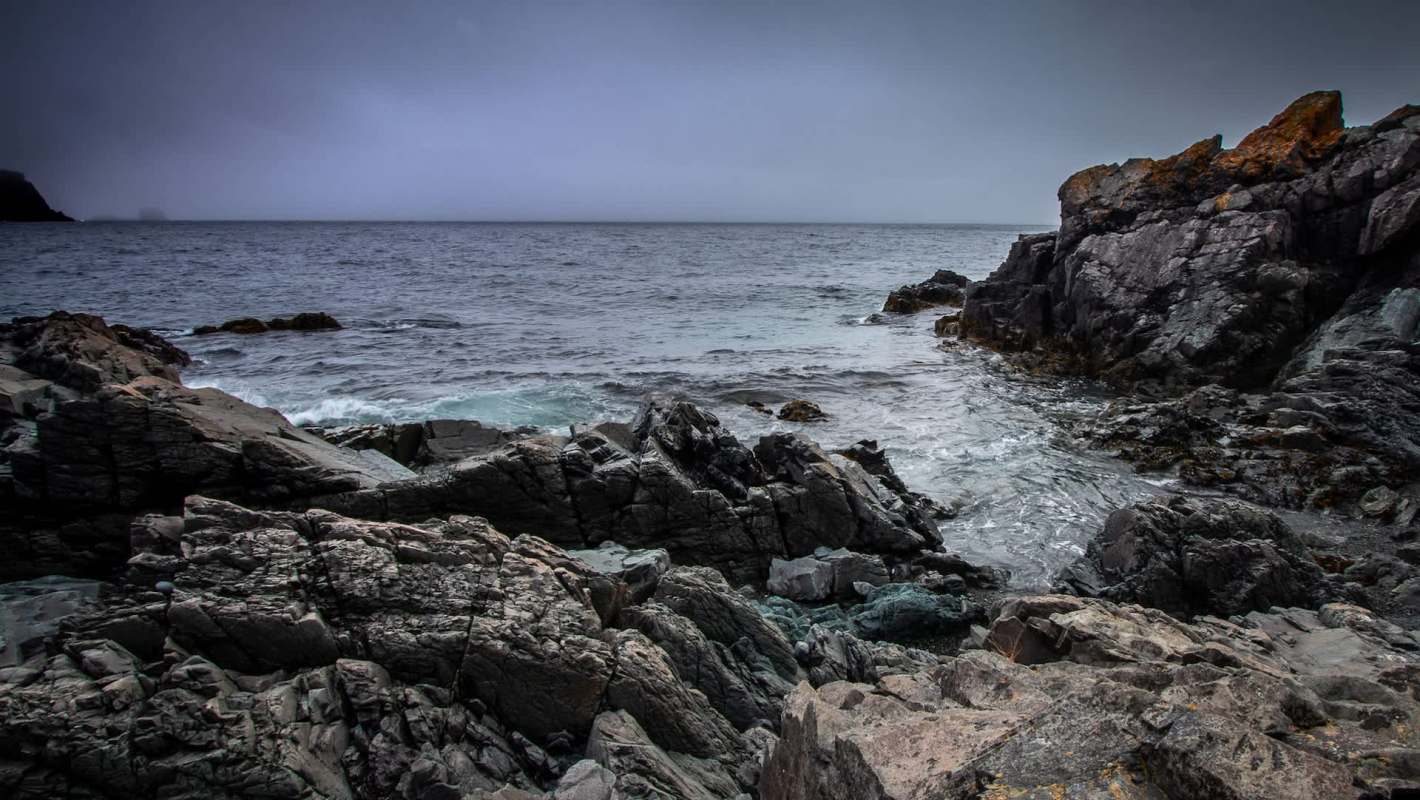
Mollusk populations in the western Atlantic Ocean could see their range shrink by more than 60% as the planet overheats, threatening vital ecosystems and the global food supply.
What's happening?
According to The Geological Society of America, research presented at the GSA Connects 2025 conference used modeling to project the impact of our warming climate on 57 mollusk species.
While researchers hoped to find some resilient species, the results were uniformly bleak.
"We're trying to see if species with specific functional traits might survive or do better than others," said Dr. Claudia Nuñez-Penichet, a postdoctoral researcher at Virginia Tech.
"It didn't matter at all. Everything was very bad for all the species that we looked at in the future, especially under more extreme climatic projections with higher carbon emissions."
Why is a mollusk decline concerning?
This isn't just bad news for snails and clams; it's a direct threat to our food supply.
Perk up the winter blues with natural, hemp-derived gummies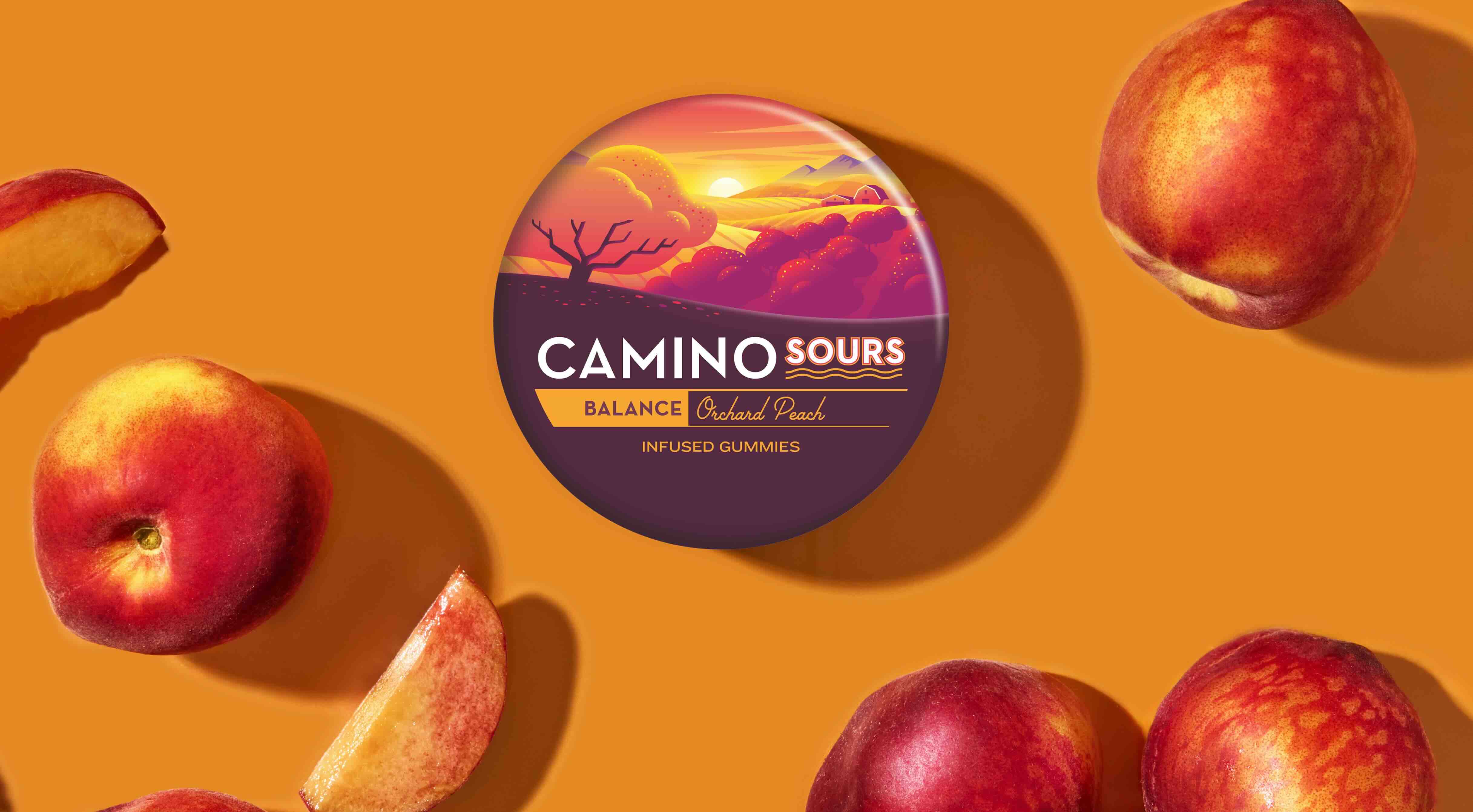 Camino's hemp-derived gummies naturally support balance and recovery without disrupting your routine, so you can enjoy reliable, consistent dosing without guesswork or habit-forming ingredients. Flavors like sparkling pear for social events and tropical-burst for recovery deliver a sophisticated, elevated taste experience — and orchard peach for balance offers everyday support for managing stress while staying clear-headed and elevated.
Learn more → |

According to The Nature Conservancy, more than 3 billion people depend on ocean species for food and income.
Mollusks are critical to this system, as filter feeders like oysters clean the water, prevent algal blooms, and build reefs that create habitats for other species. A mass loss would endanger the fisheries we all rely on.
What's being done to protect mollusks?
This alarming report is part of a much wider, global effort. Organizations like The Nature Conservancy are already working to conserve 4 billion hectares of the world's ocean areas — or over 10% — and help protect 100 million people from climate emergencies.
Strategies include rebuilding lost reefs and protecting "super reefs" that can survive hotter temperatures.
TCD Picks » Upway Spotlight
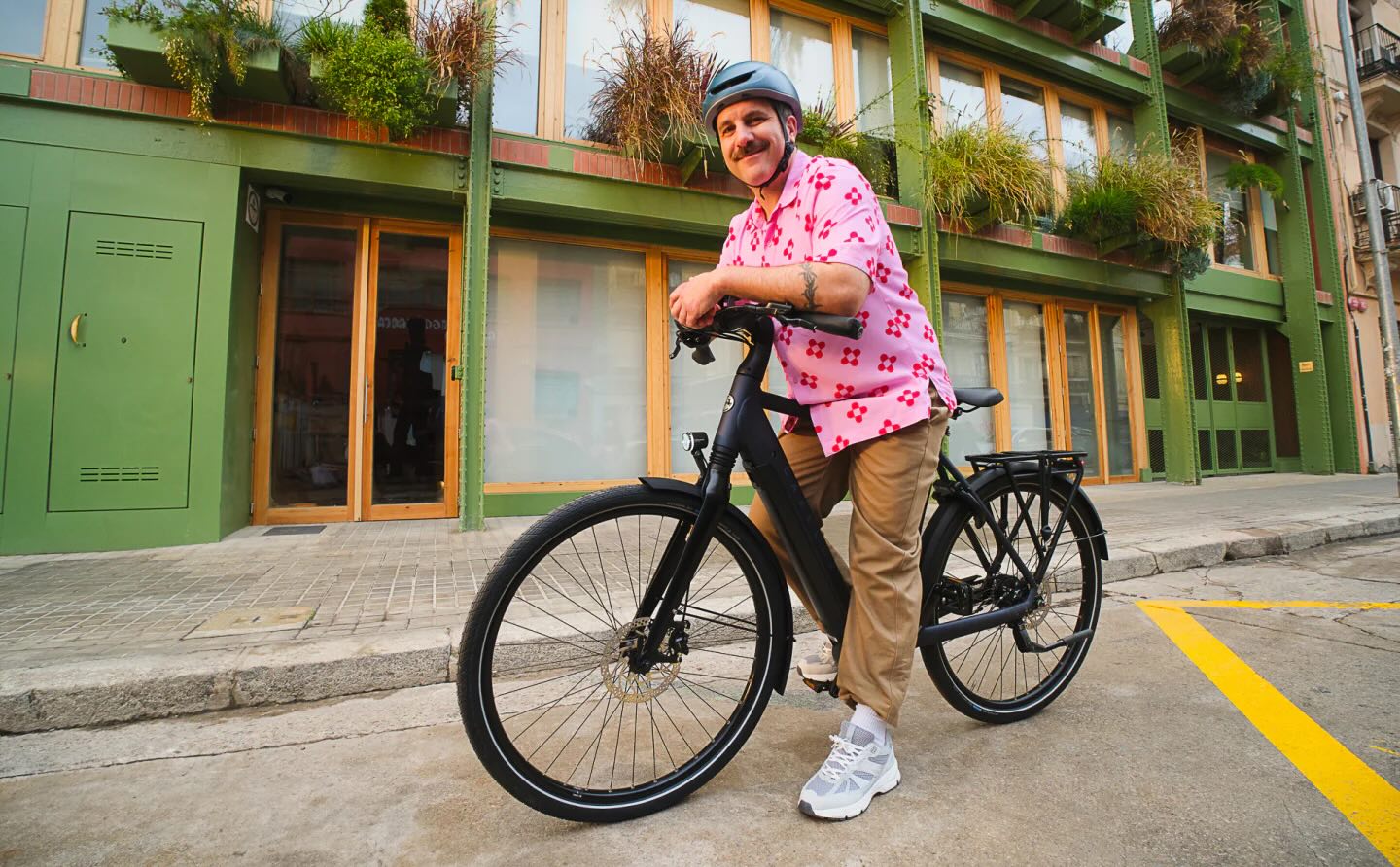
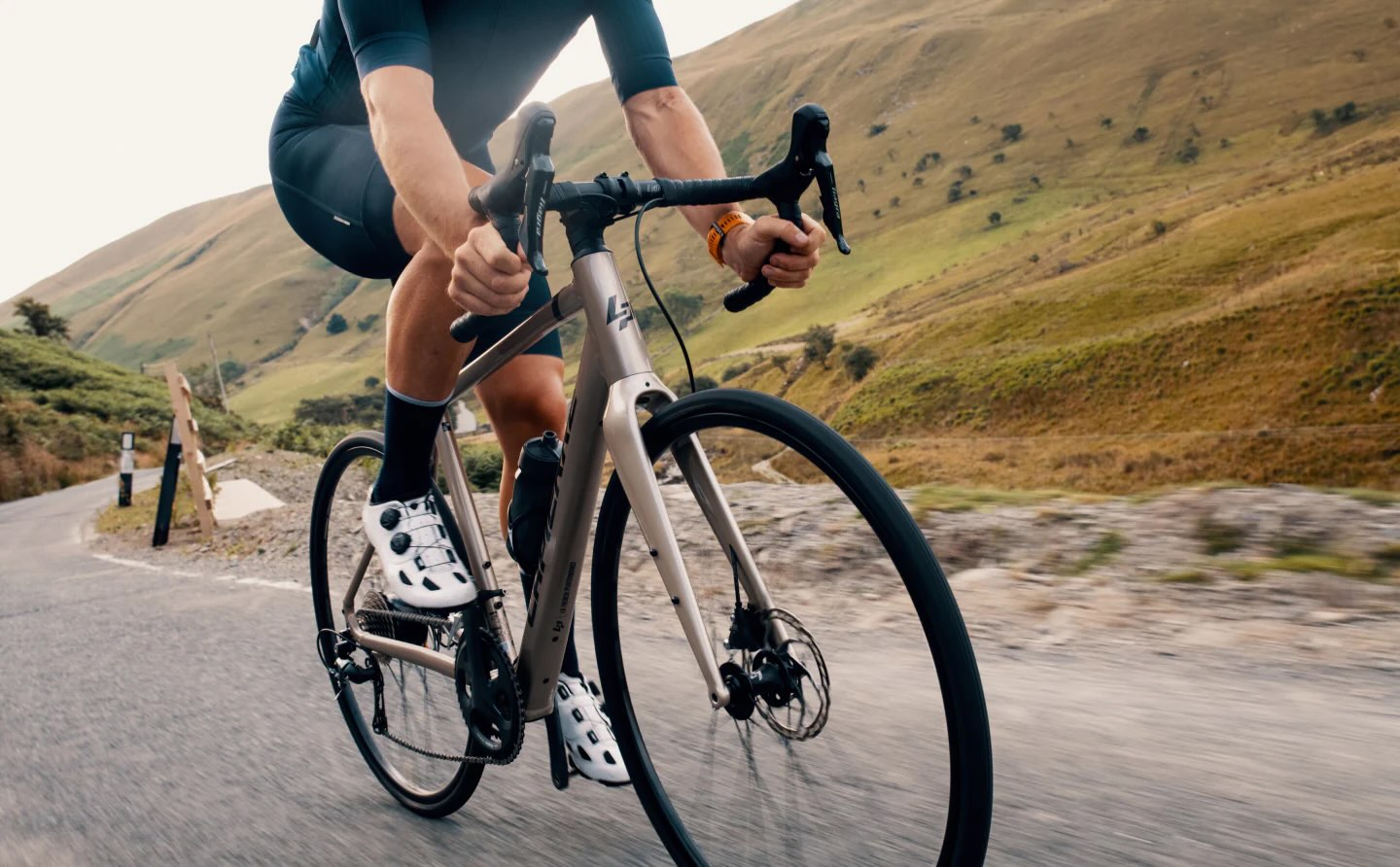
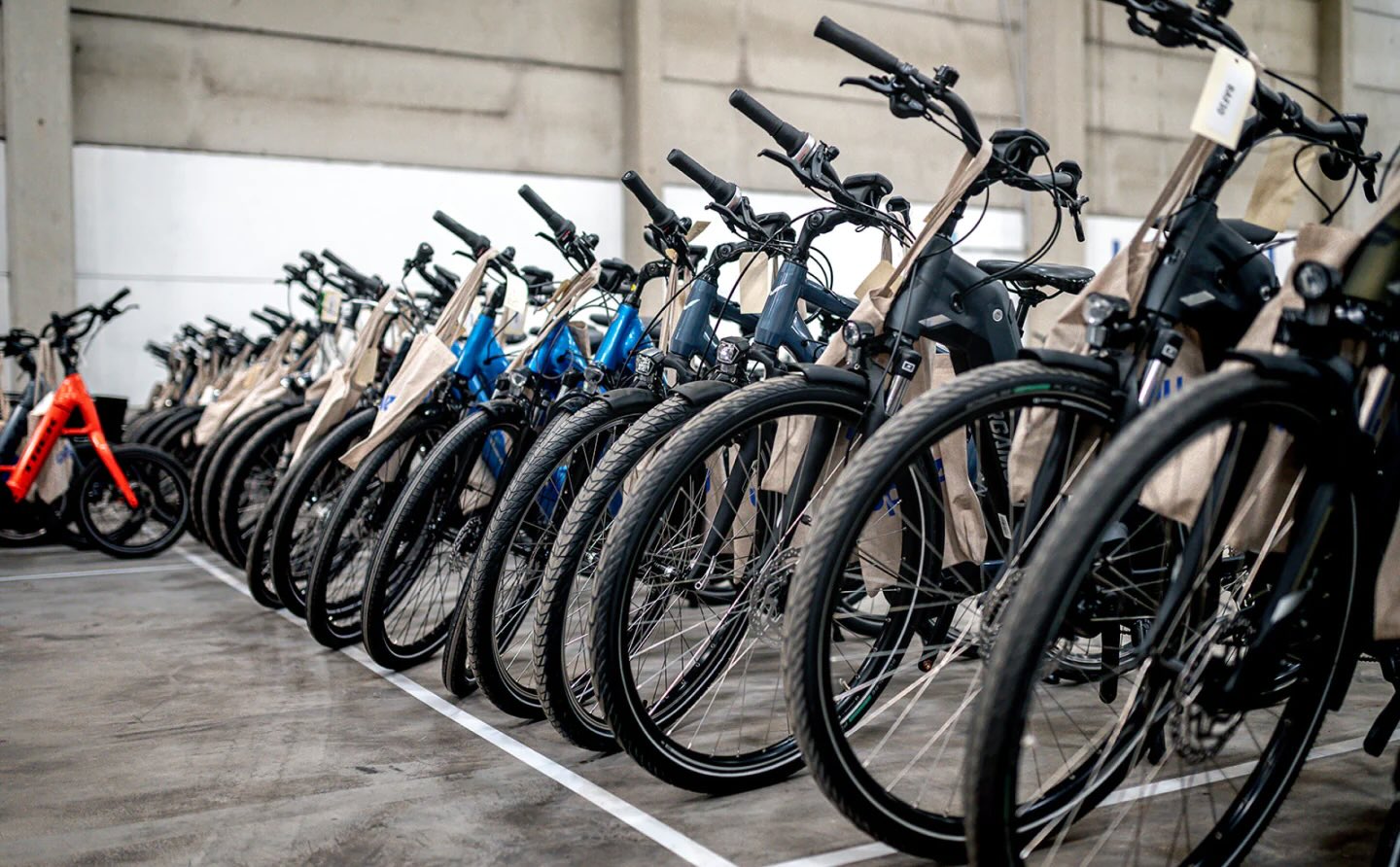
💡Upway makes it easy to find discounts of up to 60% on premium e-bike brands


|
How concerned are you about the plastic waste in our oceans? Click your choice to see results and speak your mind. |
 Extremely 😫
 This mirrors efforts in Florida, where scientists are racing to restore reefs using more heat-tolerant corals after a 2023 heat wave.
Other experts are pushing for new protections for the ocean's "twilight zone," a vital area holding up to 90% of all fish biomass.
The model shows that the worst-case scenario projected for 2050 is similar to what would happen by 2100 under a more moderate one. This suggests that cutting our heat-trapping pollution now can still prevent the most severe impacts.
As Dr. Nuñez-Penichet said, "We can make a difference, if we actually care."

💰Get TCD's free newsletters for easy tips to save more, waste less, and make smarter choices — and earn up to $5,000 toward clean upgrades in TCD's exclusive Rewards Club.
Cool Picks






