


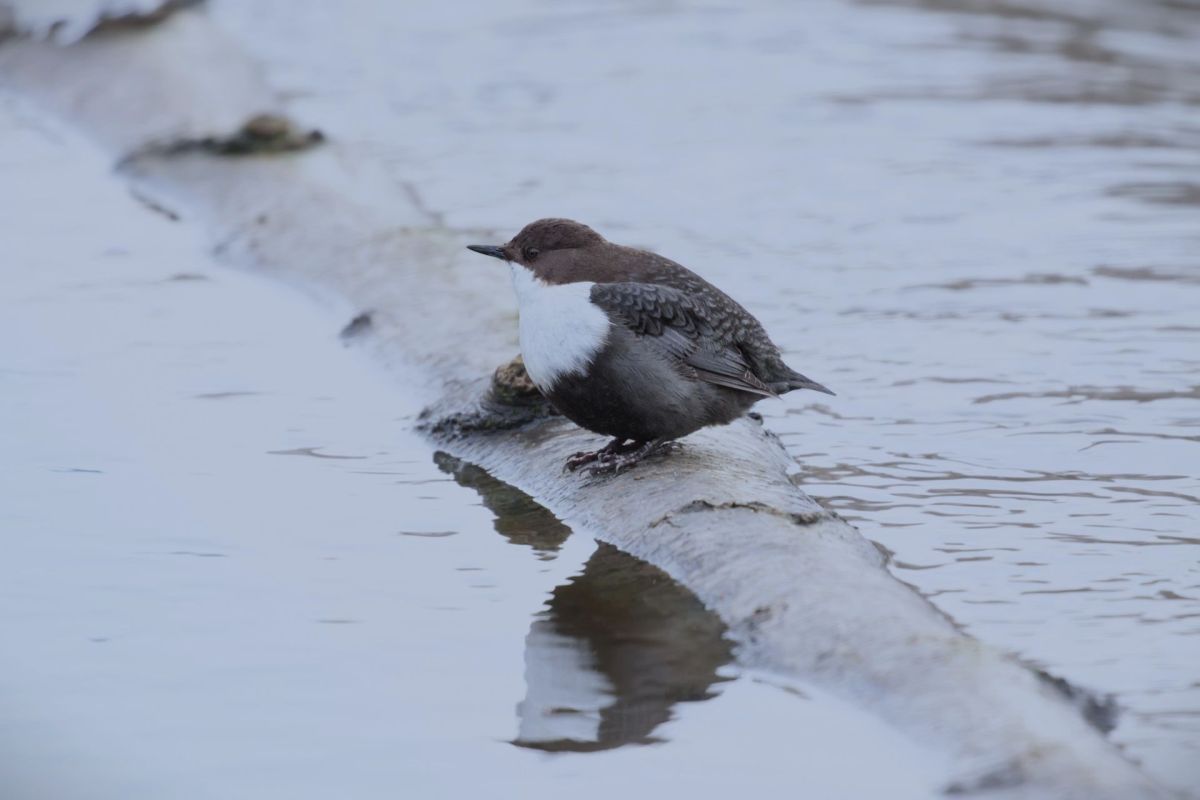
Researchers are finding new evidence that microplastics are spreading among wildlife across various countries, adding to the scientific community's concerns about this type of contamination.
What's happening?
In a new study led by the University of Glasgow, researchers found evidence of microplastics in the droppings of freshwater birds at different nesting sites in Scotland and Spain, according to a university news release.
The research team focused on one bird species in particular. The White-throated dipper is known for recolonizing formerly heavily polluted areas.
Researchers analyzed the birds' feces and found evidence of microplastics, specifically fibers, in 62.5% of nesting broods. Their results, published in the journal Environmental Research, also showed that higher concentrations of microplastics were found in birds nesting closer to urban or agricultural areas compared to greener spaces like forests. The results were the same for birds in both countries.
The birds' body condition was also examined, but no conclusive evidence was found to indicate that the birds with microplastics in their systems were less healthy.
Why are microplastics concerning?
Microplastics have been found in virtually every environment around the world. And while the full breadth of their potential impacts remains under study, a growing body of research suggests the possibility of human health hazards.
Another recent study showed that microplastics could be a contributing factor in the rise of Parkinson's disease, and yet another found microplastics in human penises, raising concerns about fertility impacts.
Further research is needed in humans and wildlife alike to assess the potential scope of microplastic impacts. As Colette Martin, first author of the White-throated dipper study, said in the release, "This highlights the importance of monitoring even small freshwater birds to understand environmental pollution and its potential effects."
What's being done about microplastics?
It's clear that further research is warranted, so one important next step will be continued investment in related studies.
Meanwhile, it's nearly impossible to avoid all plastic in everyday life, but there are ways to limit exposure.
TCD Picks » Quince Spotlight
💡These best-sellers from Quince deliver affordable, sustainable luxury for all




Individuals can opt for simple swaps, like using a reusable water bottle instead of a disposable plastic one and bringing reusable tote bags to the grocery store instead of using single-use plastic bags. They can also advocate for more equitable access to these kinds of non-plastic products so that everyone can use safe, healthy household goods.
|
Which of these savings plans for rooftop solar panels would be most appealing for you?
Click your choice to see results and earn rewards to spend on home upgrades. |
 Save $1,000 this year 💸
Get TCD's free newsletters for easy tips to save more, waste less, and make smarter choices — and earn up to $5,000 toward clean upgrades in TCD's exclusive Rewards Club.
Cool Picks




