


A new study revealed the varying impacts microplastics can have on soil drainage. The results showed that these tiny particles can have a huge effect on how crops grow.
What's happening?
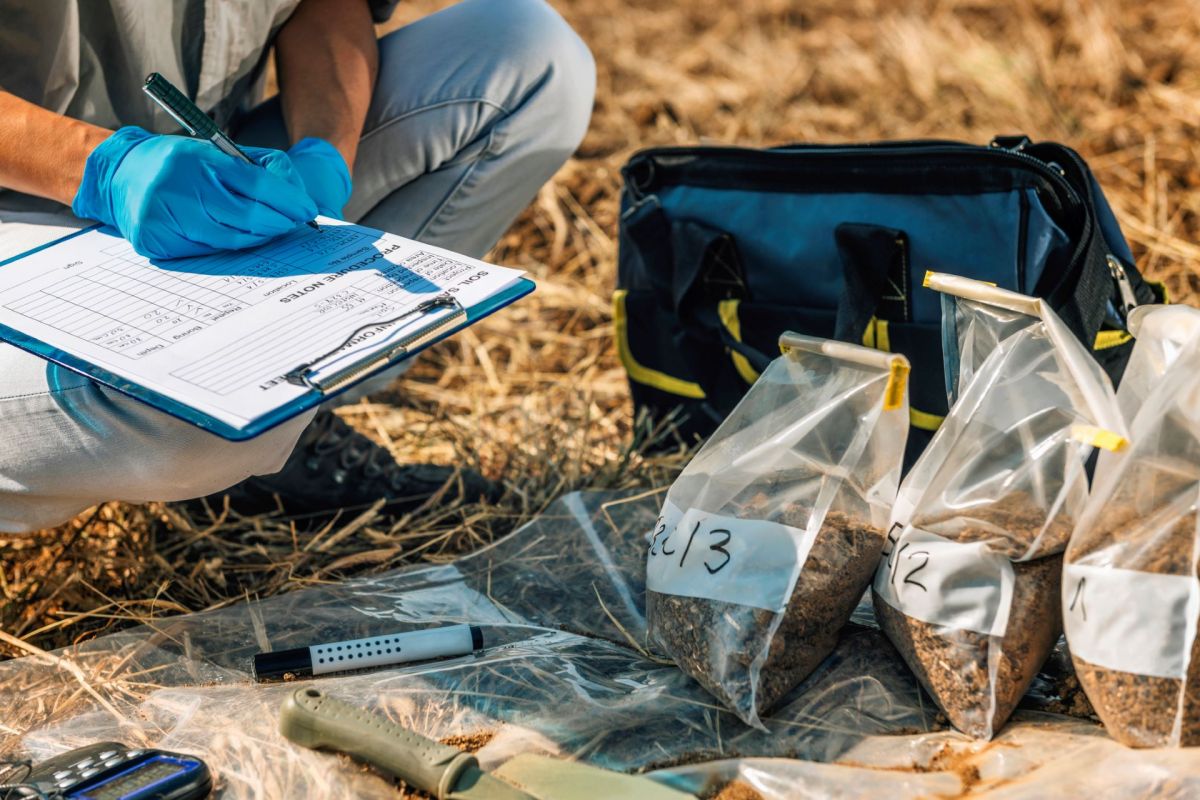
Researchers found that microplastic concentrations as low as 0.4% can significantly impact the movement of water through soil. They took soil from three separate agricultural regions of Germany, dividing some out for a control group and mixing the rest with four of the most common microplastics: polyethylene, polypropylene, polystyrene, and polyester.
The results were staggering. Each type of microplastic altered the water flow through all soil types in varying ways. The presence of polyester, for example, increased the water's flow rate by about 50% when the soil was wet but decreased it by about 50% when the soil was dry. The wide-ranging results showcase the unpredictability of microplastics.
"We don't yet know what consequences it has for our soils," said study author Katharina Neubert, a soil scientist at Forschungszentrum Jülich in Germany.
Why are the results important?
The study reveals the impact of microplastics on crop health. Improper soil drainage can lead to waterlogged root systems, while the hydrophobic nature of microplastics can cause them to wick too much water away from roots, preventing plants from receiving sufficient moisture. The inability to predict how microplastics will affect soil leaves farmers' hands tied when it comes to caring for their crops.
Microplastics have been found basically everywhere on Earth, from the highest mountain peak to the deepest part of the ocean. Their presence in soil threatens the food we eat and the water we drink. Many studies have indicated that when consumed, microplastics can have severe effects on human health, affecting various aspects such as reproduction and aging.
What's being done about microplastics?
Researchers hope that this study will provide context for the dangers of microplastics. Germany already has plans to end the use of sewage sludge as fertilizer for agricultural fields. That's in part because of concerns surrounding the amount of plastic in the substances.
More action is necessary worldwide to curb the effects of microplastics, but responsibility starts at home. Consumers can help by reducing the amount of plastic used daily.

💰Get TCD's free newsletters for easy tips to save more, waste less, and make smarter choices — and earn up to $5,000 toward clean upgrades in TCD's exclusive Rewards Club.
Cool Picks






