


Microplastics may be tiny in size, but a recent study shows they have a huge impact on our crops.
What's happening?
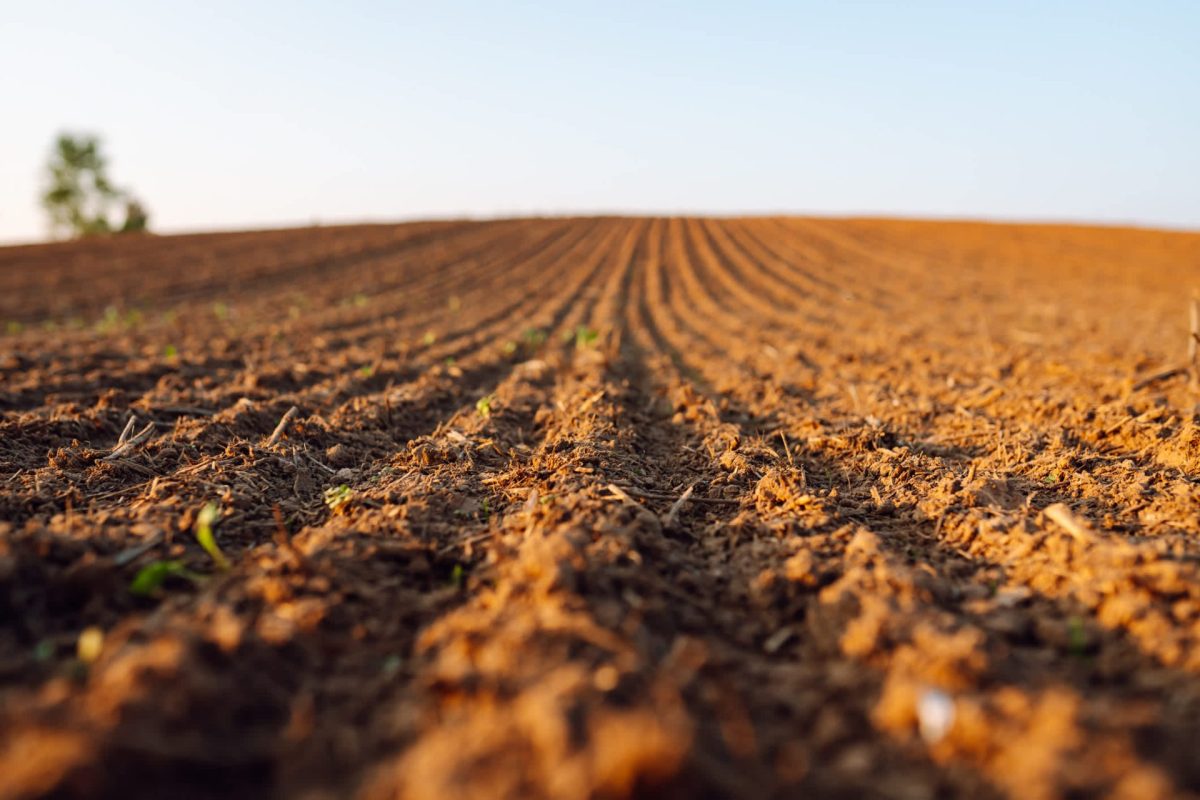
Worrying new research has been highlighted by Phys.org, detailing the profound impact that microplastics have on soil and the crops that grow in contaminated areas.
The study, originally published in the Environmental Sciences Europe journal, found that "agricultural soils now hold around 23 times more microplastics than oceans."
The review stated that microplastics and nanoplastics have been discovered in lettuce, wheat, and carrot crops, with the lead researcher, Joseph Boctor, saying, "These microplastics are turning food-producing land into a plastic sink."
Why are microplastics so concerning?
Microplastics are flakes of plastic less than 5 millimeters in length. Plastics that can't biodegrade break down into smaller and smaller pieces, which are difficult to get rid of.
They are incredibly pervasive, entering oceans, soil, animals, and human bodies. Animals and humans can consume the particles that end up in water, soil, and food sources, and microplastics may even be inhaled.
Unfortunately, the presence of microplastics has been linked to serious health issues. A Washington Post article associated these tiny pollutants with a greater risk of heart disease, kidney disease, Alzheimer's, and fertility issues.
"This review highlights the urgent need for coordinated scientific and regulatory efforts," Boctor said. "Regulators, scientists, and industry must collaborate to close the loopholes before plastic pollution further entrenches itself in the global food chain."
What's being done about microplastics?
In hopes of preventing the creation of microplastics in the future, Boctor and his colleagues at the Bioplastics Innovation Hub are in the process of creating plastic that decomposes in both soil and water.
There are also a lot of things you can do in your everyday life that reduce microplastic pollution. The key thing to do is to move away from using plastic. More eco-friendly kitchen utensils and containers, made of materials such as wood, glass, or ceramic, can prevent the release of microplastics in the dishwasher.
TCD Picks » Quince Spotlight
💡These best-sellers from Quince deliver affordable, sustainable luxury for all




|
Do you worry about using cleaning products with harsh chemicals in them? Click your choice to see results and speak your mind. |
 All the time 💯
 Another way microplastics are released is through the clothes we wear. Man-made fibers like nylon and polyester shed every time we wash our clothes, so try to choose natural fibers, such as cotton and linen, when you can. Installing a filter on your washing machine is another great way to prevent microplastics from polluting the water system.
Though these tiny pollutants are proving to be a mammoth problem to tackle, there are many scientists working on ingenious solutions.
For example, some researchers at the University of British Columbia have discovered they can filter up to 99.99% of microplastics from water using sawdust and plant-based tannins. At Princeton Engineering, researchers have found a way to clean microplastics out of the ocean by using egg whites, and it is only a matter of time until even more scientific solutions for microplastic pollution are created.

Join our free newsletter for good news and useful tips, and don't miss this cool list of easy ways to help yourself while helping the planet.
Cool Picks




