


Tiny plastic particles are proving to be a big problem.
What's happening?
Microplastics are small pieces of plastic — less than 5 millimeters in size — that break off larger plastics as they degrade. These tiny fragments can be quite harmful, and recent research suggests that they are even bigger trouble than we thought.
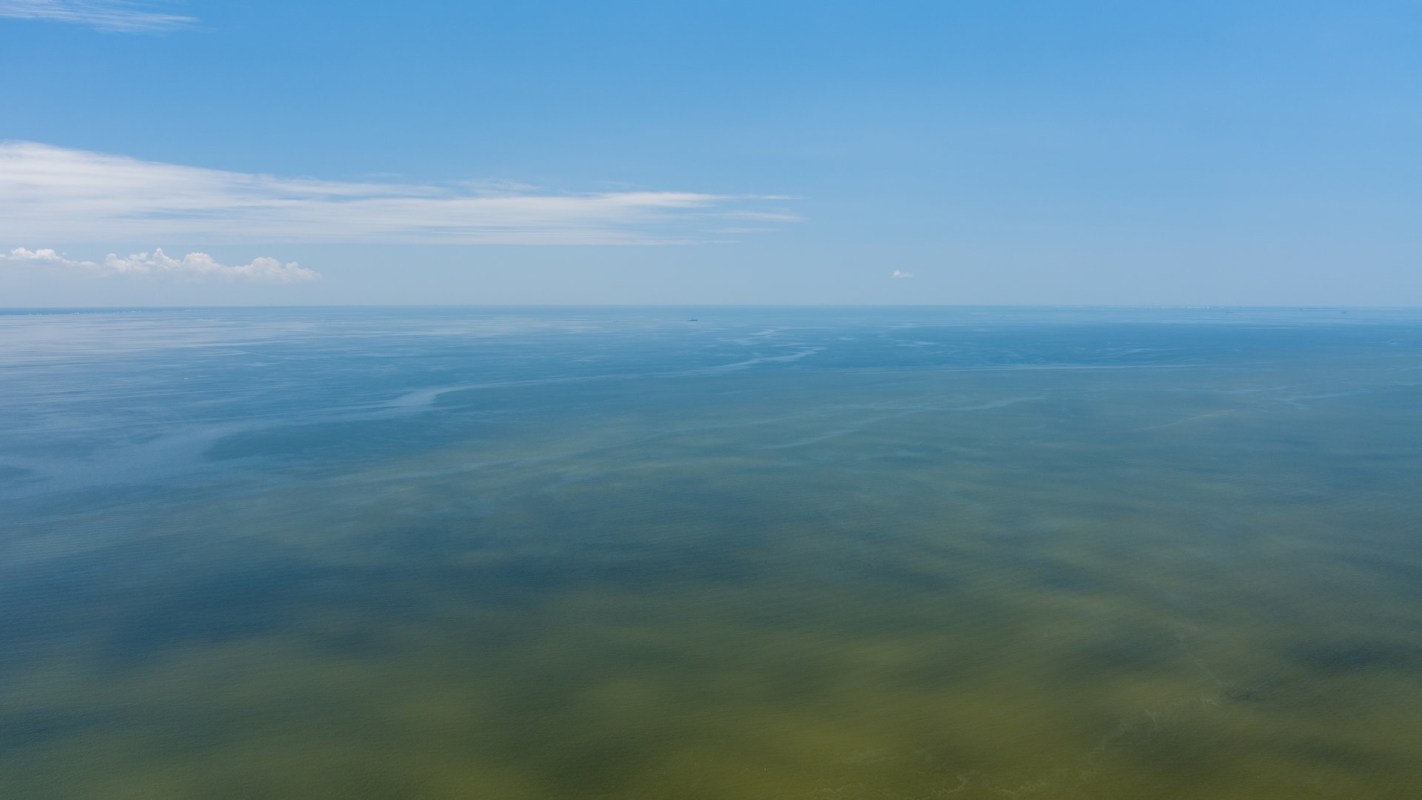
A particle-tracking model traced these plastic pollutants in the Gulf of Mexico and found a shocking amount of microplastics from nearby facilities and rivers.
"The findings paint a concerning picture of pollution patterns that directly threaten both marine ecosystems and the seafood that reaches consumers across the globe. The Gulf of Mexico is increasingly polluted by tiny plastic particles," the study said, according to Oceanographic.
Why are microplastics in marine life concerning?
Despite their size, microplastics can have a significant impact on an ecosystem. Plastics and microplastics are often ingested by marine life, like seabirds, turtles, and fish. Plastic cannot be digested and is difficult to pass, causing animals to become sick and starve.
Despite the evidence that plastic pollution is killing these animals, for many people, it's just not enough. Sick fish can cause sick humans, however, and that's the unfortunate push many industries need.
Microplastics pose threats to humans, too. Ingesting microplastics or microplastic-ridden food or water can introduce lifelong plastics into your body, blood, and brain. These tiny particles can disrupt your reproductive system, create inflammation, and may even cause certain cancers.
The trouble lies in their size — microplastics are not easy to spot or remove, and they can travel great distances by "hitchhiking" on organic matter.
What's being done to eliminate microplastics?
The study's plastic-tracking tool and similar models can help researchers find the areas of greatest concern, like the Gulf of Mexico.
It won't solve our plastic problem, but it's a great place to start.
TCD Picks » Quince Spotlight
💡These best-sellers from Quince deliver affordable, sustainable luxury for all




|
Do you worry about having toxic forever chemicals in your home?
Click your choice to see results and speak your mind. |
 Majorly 😥
 As long as we have a worldwide reliance on plastic, we'll continue to deal with the effects of microplastics on our animals, oceans, and bodies. As we learn more about microplastics and how they affect us, researchers work to develop new ways to prevent them from invading our waterways.
"In other words, it is important to look for ways to make our research relevant to everyday life (in this case, the fish we consume) to help put in motion the change that is needed," said Annalisa Bracco, co-author of the study, according to Oceanographic.

Join our free newsletter for good news and useful tips, and don't miss this cool list of easy ways to help yourself while helping the planet.
Cool Picks






