


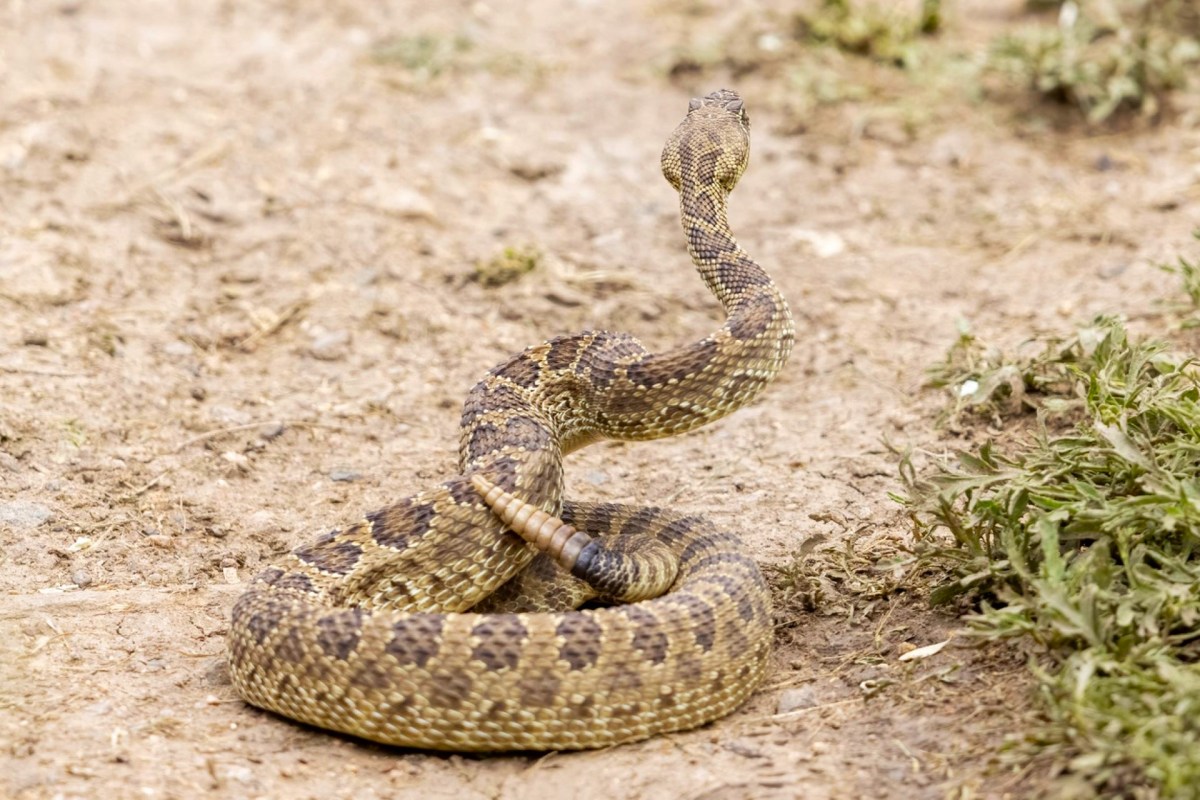
A Michigan man's attempt to photograph a rattlesnake at a park ended with a trip to the hospital — and a renewed warning from state officials that wildlife should be admired from a distance.
That warning from the Michigan Department of Natural Resources came after a July 21 incident at Proud Lake Recreation Area in Commerce Township, as the Huron Daily Tribune reported.
What happened?
Officials said the bite happened at an Oakland County boat launch, where a 41-year-old man was trying to photograph an eastern massasauga rattlesnake. He was taken to the hospital and is expected to recover.
Michigan has just one native venomous snake: the eastern massasauga. The DNR said its bite can be very painful but is "extremely unlikely to be fatal," and officials added that about one-quarter to one-half of cases are considered "dry bites," meaning venom is not delivered, according to the Tribune.
Because the snake is protected under both state and federal law, the agency is stressing that people must not try to capture it or otherwise harm or harass it. The bite has sharpened that warning.
Officials say the species is also being affected in other ways, with people stepping off established trails, damaging wetlands underfoot and, in some instances, threatening to kill snakes they come across.
TCD Picks » Quince Spotlight
💡These best-sellers from Quince deliver affordable, sustainable luxury for all




Why does it matter?
Many conflicts with wildlife begin when humans get too close — whether out of fear, curiosity, or a desire to get a better photo.
In this case, the bite happened while a person was approaching the snake, and officials say the public response has also put added pressure on fragile habitat. Wetlands are particularly vulnerable to foot traffic, and the eastern massasauga depends on those ecosystems for survival.
As BBC Future has reported, human encroachment and close contact are often major drivers of wild-animal attacks.
The eastern massasauga is listed as a threatened species. Habitat loss or the killing of snakes out of panic can make it even harder for an already vulnerable species to survive.
What's being done?
The DNR is urging visitors to stay on marked trails and give snakes plenty of space. If people spot an eastern massasauga, the safest response is to slowly back away and leave it alone.
The agency is also pointing to the legal consequences of interfering with the threatened snake. The Tribune reported that it is against the law in Michigan to pursue, harass, wound, kill, or capture an eastern massasauga.
Someone found liable under the Endangered Species Act can face as much as one year in prison and a $50,000 fine.
"The best way to avoid massasaugas and damaging their habitats is to stay on the trails," Amy Bleisch, DNR endangered species biologist, said. "These snakes are shy and prefer to avoid people. If they don't feel threatened, they will hide and wait for people to walk by."

Get TCD's free newsletters for easy tips, smart advice, and a chance to earn $5,000 toward home upgrades. To see more stories like this one, change your Google preferences here.







