


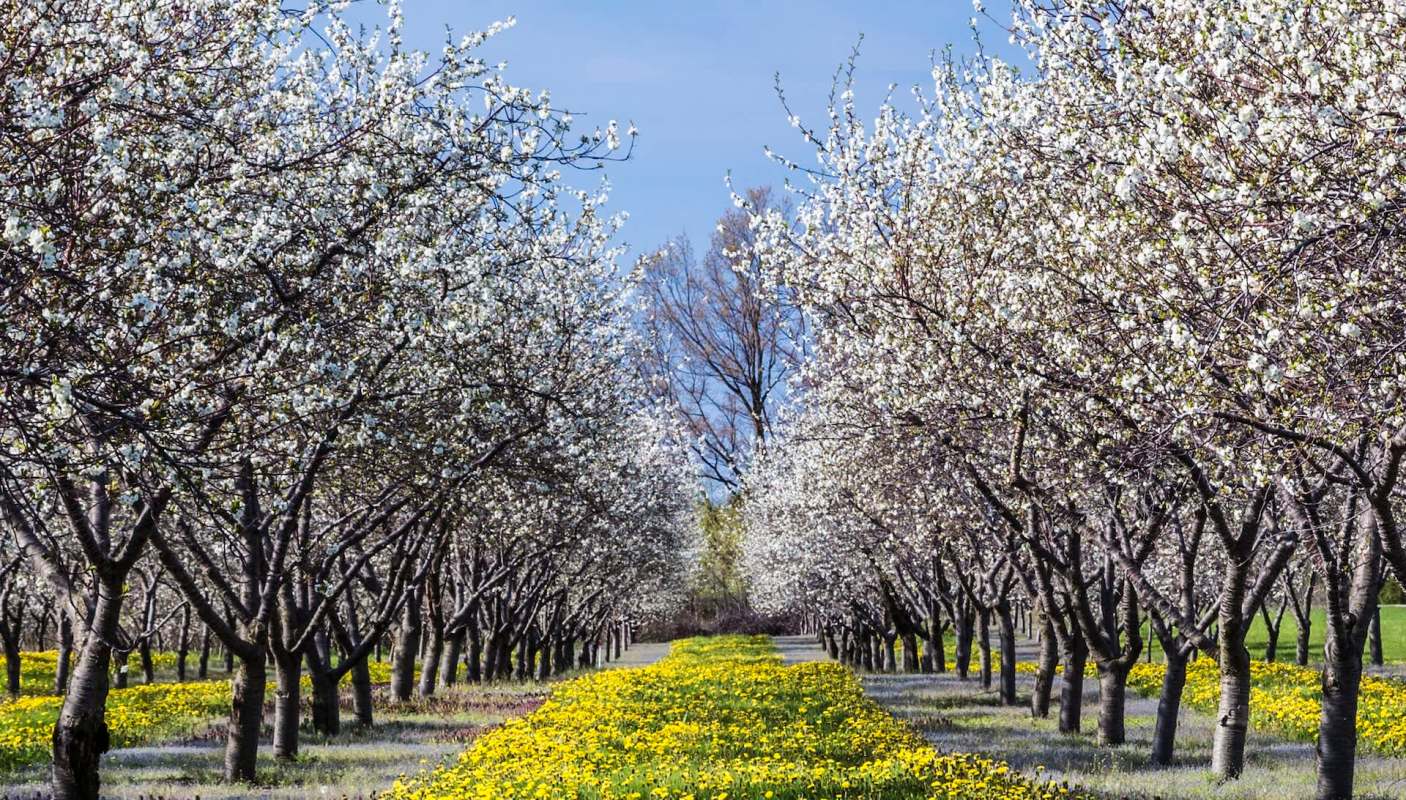
Michigan residents may soon need to remove certain plants from their yards.
According to Interlochen Public Radio, the Michigan Department of Agriculture and Rural Development may restrict or entirely prohibit a handful of invasive plant species, some of which have commonly been used in landscaping.
Residents have been invited to submit feedback on the proposed species through an MDARD-created survey until February 9. Final determinations are expected this spring.
The invasive plants the department is looking to prohibit or restrict include water lettuce, common buckthorn, water hyacinth, glossy buckthorn, Japanese barberry, and Callery pear.
"In isolation, any one species doesn't present a significant risk," MDARD director Tim Boring told IPR. "But in aggregation, all of these plants together do create some risks that we take seriously here."
Invasive plant species like these may look pretty, but they can wreak havoc on local ecosystems.
Perk up the winter blues with natural, hemp-derived gummies Camino's hemp-derived gummies naturally support balance and recovery without disrupting your routine, so you can enjoy reliable, consistent dosing without guesswork or habit-forming ingredients. Flavors like sparkling pear for social events and tropical-burst for recovery deliver a sophisticated, elevated taste experience — and orchard peach for balance offers everyday support for managing stress while staying clear-headed and elevated.
Learn more → |

"Japanese barberry is known to outcompete native plant species and harbors ticks that carry Lyme disease," Boring said. "Common buckthorn can harbor other crop diseases and emit chemicals into the soil and water that are problematic. Plants like water hyacinth and water lettuce are difficult to control in our waterways."
The good news, though, is that if homeowners need to remove these invasive species from their yards, they can replace them with beautiful and beneficial native plants. Choosing native plants for one's yard over problem species can also help save homeowners time, water, and money on gardening, as native plants tend to require less maintenance.
Even better, native plant species are known for attracting pollinators. Considering bees, butterflies, and more increase the diversity and efficiency of pollination — including for several crops that contribute about 90% of food supplies — the more around, the better.
While some homeowners choose to switch to a whole native lawn, those who start with just a few native plants can still expect to see benefits.
TCD Picks » Upway Spotlight
💡Upway makes it easy to find discounts of up to 60% on premium e-bike brands





If the MDARD adds the proposed invasive species to the prohibited or restricted lists, intentionally possessing the plants or selling them will become illegal. The department also aims to curb commercial availability and engage in public education to inform residents about the downsides of invasive plant species.
|
What's the most you'd pay per month to put solar panels on your roof if there was no down payment?
Click your choice to see results and speak your mind. |
 $200 or more 💰
Get TCD's free newsletters for easy tips to save more, waste less, and make smarter choices — and earn up to $5,000 toward clean upgrades in TCD's exclusive Rewards Club.
Cool Picks






