Mexico City's long-running sinking crisis is becoming harder to ignore — and now, scientists are tracking it from space.
New satellite imagery from NASA revealed that parts of the megacity are sinking by nearly 10 inches per year, underscoring the urgency of a problem decades in the making.
As the Associated Press reported, Mexico City, home to roughly 22 million people, was built on an ancient lake bed. More than a century of groundwater pumping and rapid urban growth has depleted and compressed the aquifer beneath it.
NASA's data shows that some areas, including the city's main airport and the Angel of Independence monument, are subsiding by about 0.8 inches, or 2 centimeters, per month. Annually, this amounts to roughly 9.5 inches, or 24 centimeters, making Mexico City one of the fastest-sinking major cities in the world.
"[The project is] telling us something about what's actually happening below the surface," scientist Paul Rosen told the AP. "It's basically documentation of all of these changes within a city. You can see the full magnitude of the problem."
Researchers hope future readings will become even more precise — potentially down to individual buildings — helping officials target repairs and reduce risks before damage worsens.
TCD Picks » Quince Spotlight
💡These best-sellers from Quince deliver affordable, sustainable luxury for all




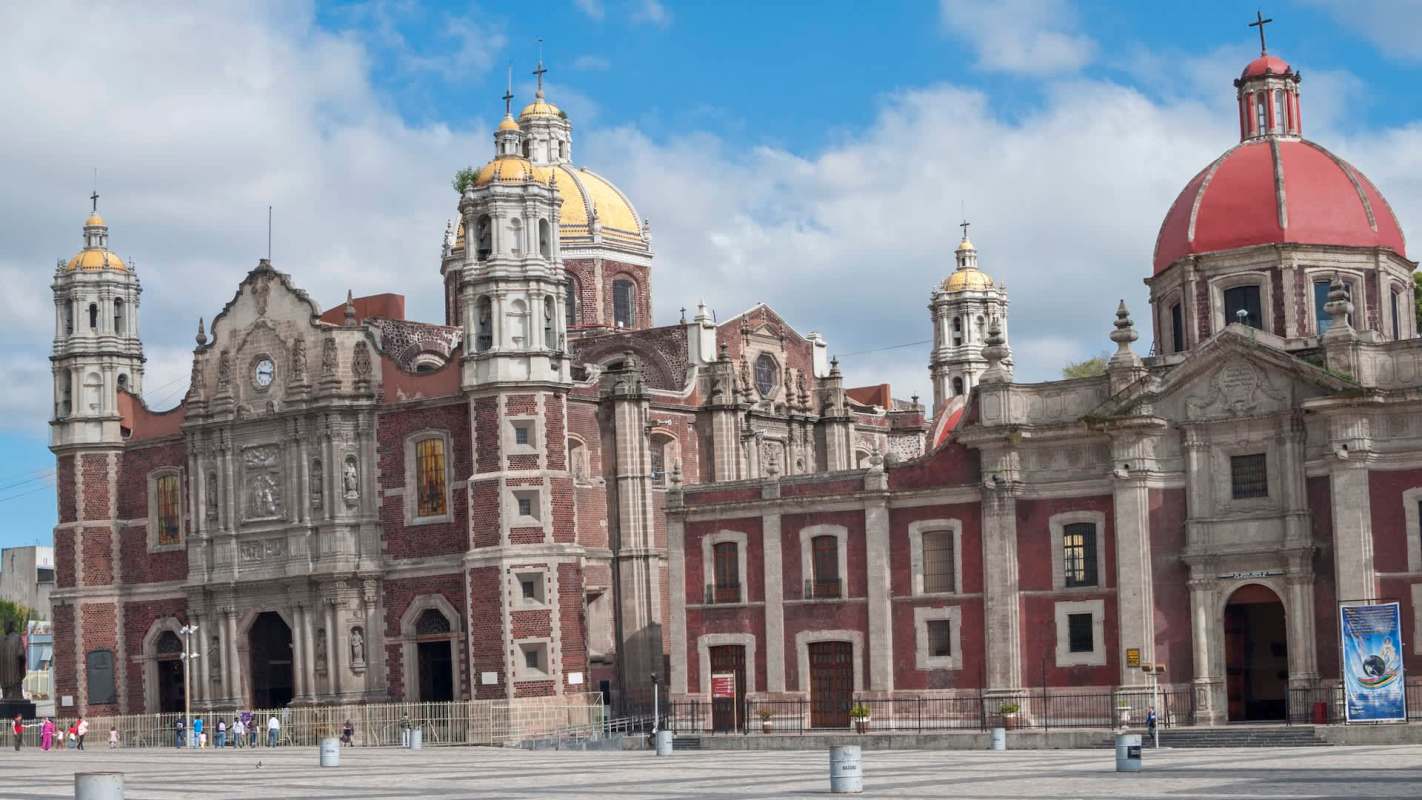
The risks are already visible. Landmarks such as the Metropolitan Cathedral are noticeably leaning, and the city has already sunk more than 39 feet in less than a century.
For residents, that translates to mounting infrastructure damage, rising repair costs, and increasing strain on an already fragile water system.
"It damages part of the critical infrastructure of Mexico City, such as the subway, the drainage system, the water, the potable water system, housing and streets," researcher Enrique Cabral said, per AP. "It's a very big problem."
The danger intensifies with extreme weather. During droughts, increased groundwater pumping can accelerate subsidence. When heavy rains return, weakened drainage systems and damaged roads can heighten flood risks — threatening public health, public safety, and local economies.
Scientists say the new imagery could eventually support early-warning systems for land movement and other hazards.
For now, though, the most immediate impact may be visibility: a clearer picture of a growing crisis before the damage becomes irreversible.
"To do long-term mitigation of the situation, the first step is to just understand," Cabral said.

Get TCD's free newsletters for easy tips, smart advice, and a chance to earn $5,000 toward home upgrades. To see more stories like this one, change your Google preferences here.