


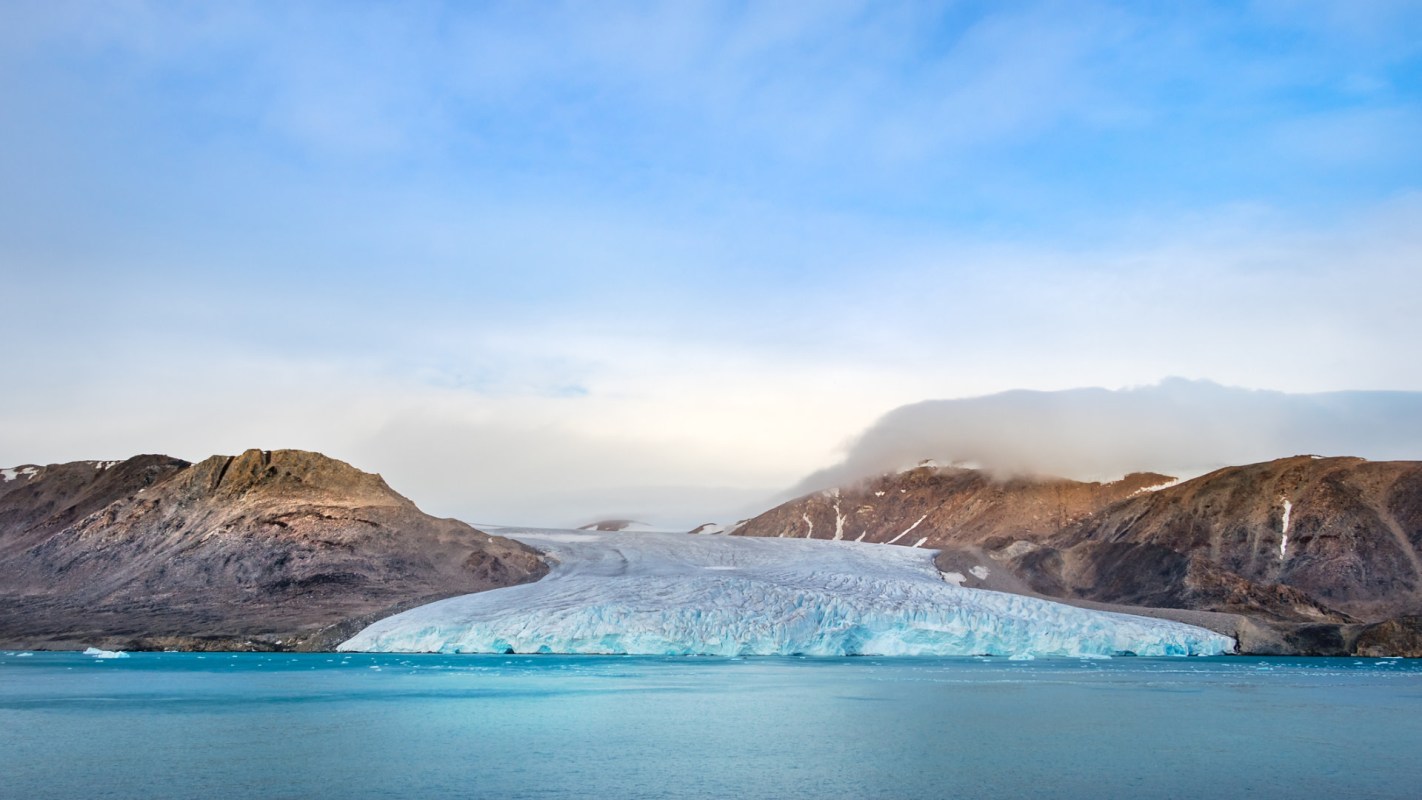
The glaciers in Canada's St. Elias Mountains are melting at an alarming rate.
These disappearing glaciers have shaped the lives of Indigenous people who have lived there for generations and continue to do so today.
What's happening?
As CBC News reported, a research team stayed just outside Kluane National Park for two weeks to study the melting glaciers.
It observed the small glaciers melting very quickly and predicted that even the large ones would vanish within the next century.
The researchers' goal was to understand how these melting glaciers will impact the nearby First Nations community in the near future. One concern is the changing water levels and their impact on salmon in the lake.
"We heard huge booming sounds travelling down through the glacier," said Ron Chambers, a First Nations member and former warden in the national park. "We also heard sounds like motors, we thought airplanes were coming and nothing showed up. And it was the sounds that the glacier was making."
Why are melting glaciers significant?
This Canadian mountain range has the largest nonpolar ice fields on Earth. They supply water to nearby lakes and rivers and significantly impact the local ecosystem and communities nearby.
Meanwhile, the glaciers of St. Elias are an integral part of Yukon First Nations culture. Because First Nations members rely on water from these glaciers and have a strong connection to their land, rapid glacier melt will affect their culture, language, livelihood, and traditions.
There are also broader implications of the melting glaciers in the St. Elias Mountains.
"Globally, about one quarter of all melt coming from glaciers and ice caps – so this excludes ice sheets – is coming from the mountains in this area," said Luke Copland, a professor who has been studying these glaciers for two decades. "The message is that the glaciers are important to everything, locally and globally."
TCD Picks » Quince Spotlight
💡These best-sellers from Quince deliver affordable, sustainable luxury for all




|
Do you think fracking should be illegal in America? Click your choice to see results and speak your mind. |
 Yes — everywhere 👏
 What's being done to protect glaciers and Indigenous communities?
It is beneficial for glaciologists to witness and study rapid glacier melt firsthand to understand the impacts on local communities best. Glacier research projects offer insights as to why glacier patterns are changing and the long-term implications.
Scientists have made many disturbing discoveries about glacier changes with widespread impacts, such as ice stability and sea-level rise.
By tracking numerous glaciers worldwide, we can understand how the climate crisis is intensifying abnormal weather conditions and prepare communities for the associated risks.
As an individual, you can do your part to curb these phenomena by reducing your environmental footprint and encouraging others to do the same.
From using less plastic to upgrading to energy-efficient appliances and installing solar panels, individual actions add up as more people commit to a sustainable future.
These personal lifestyle changes can also help you save money on everyday household expenditures and monthly utility bills. To save even more, consider using free resources such as EnergySage's online tool to compare local solar installation quotes.
Meanwhile, you can learn more about critical climate issues such as glacier ice melt and discuss what you know with friends and family. Greater public awareness can lead to increased advocacy for climate policies that protect our vulnerable lands and everyone who lives on them.

Join our free newsletter for good news and useful tips, and don't miss this cool list of easy ways to help yourself while helping the planet.
Cool Picks






