


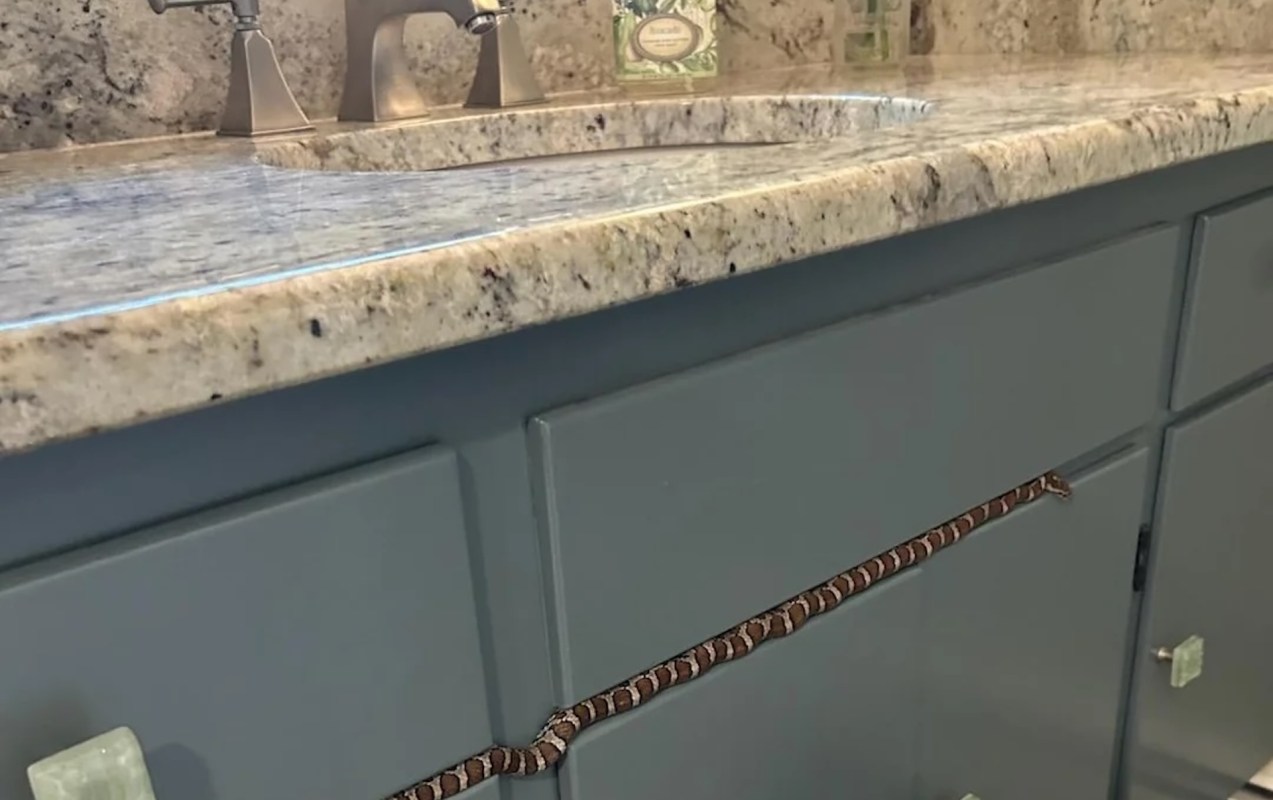
A Massachusetts bathroom snake scare took a welcome turn after an anxious request for identification brought reassuring news. Commenters on the r/whatsthissnake Reddit forum quickly determined the reptile was not a venomous copperhead after all.
The situation was the kind of mix-up that can determine whether a wild animal lives or dies.
What happened?
A Reddit user asked for help after being contacted by an older woman who was dealing with a snake in her bathroom and was looking for a safe and humane way to have it removed.
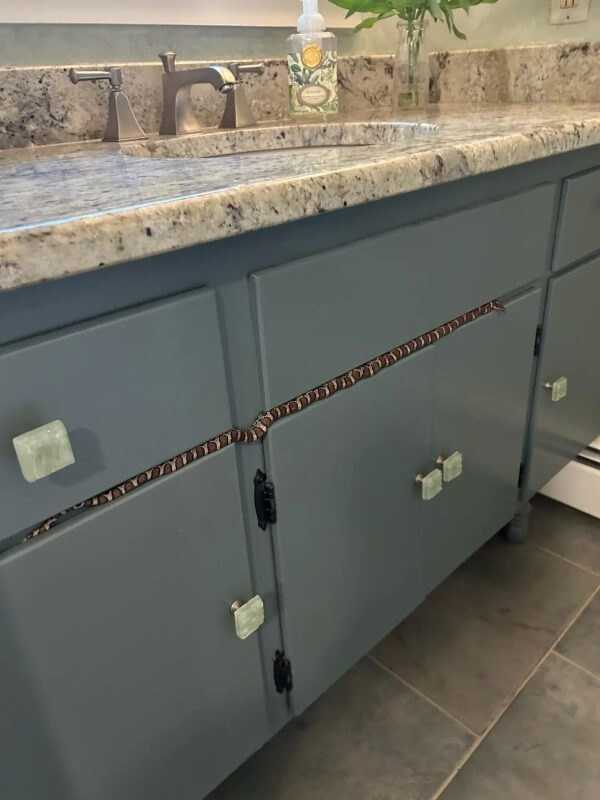
"What kind of snake is it?" the original poster asked. "Gemini says eastern milk snake but I don't want to mistake it for a copperhead if I decide to help her out with it."
Because eastern milksnakes are nonvenomous despite their blotchy tan-and-brown markings, responders said the animal matched that species rather than a copperhead and supported moving it humanely.
From the start, the aim was to remove the snake without harming it, and the community's confirmation gave the OP the green light to move the reptile.
TCD Picks » Quince Spotlight
💡These best-sellers from Quince deliver affordable, sustainable luxury for all




"Harmless and quite decorative there," one user assessed. "Release it outside nearby and all should be fine."
Indeed, the snake's pose drew its fair share of responses. Some Reddit users mistook it for bathroom decor, while others were amused by its resting pose.
"That is the silliest position I've ever seen a snake in," one user reacted.
Why does it matter?
Cases like this show how easily fear and misidentification can put beneficial animals at risk. A snake mistaken for a dangerous species may be killed unnecessarily, even when it poses little threat to people.
Eastern milksnakes can help control rodents, making them useful neighbors around homes, barns, and other buildings. When harmless predators are removed, people can lose a natural form of pest management.
These encounters are also often shaped by human activity. As development changes habitat and homes create cool, sheltered spaces, wild animals can end up in close quarters with people.
A bathroom snake is part of a broader pattern in which animals adapt to human-dominated spaces. The OP and the woman did the right thing by asking for help and making sure of things before taking any rash actions toward a harmless snake.
What can I do?
If you find a snake indoors, the first step is to keep a safe distance and avoid trying to handle it unless you are certain of the species. When in doubt, contact local animal control, a wildlife rehabilitator, or a reptile rescue group that can help with identification and removal.
Photos can help, but internet guesses should not replace caution. If a snake must be moved, humane relocation by an experienced professional is usually the safest option for both the animal and nearby people.
It can also help reduce the odds of future visits to seal gaps around doors and pipes, tidy cluttered areas that provide shelter, and limit rodent activity that may attract snakes in the first place. Those practical steps can make homes less inviting without harming wildlife.

Get TCD's free newsletters for easy tips, smart advice, and a chance to earn $5,000 toward home upgrades. To see more stories like this one, change your Google preferences here.







