


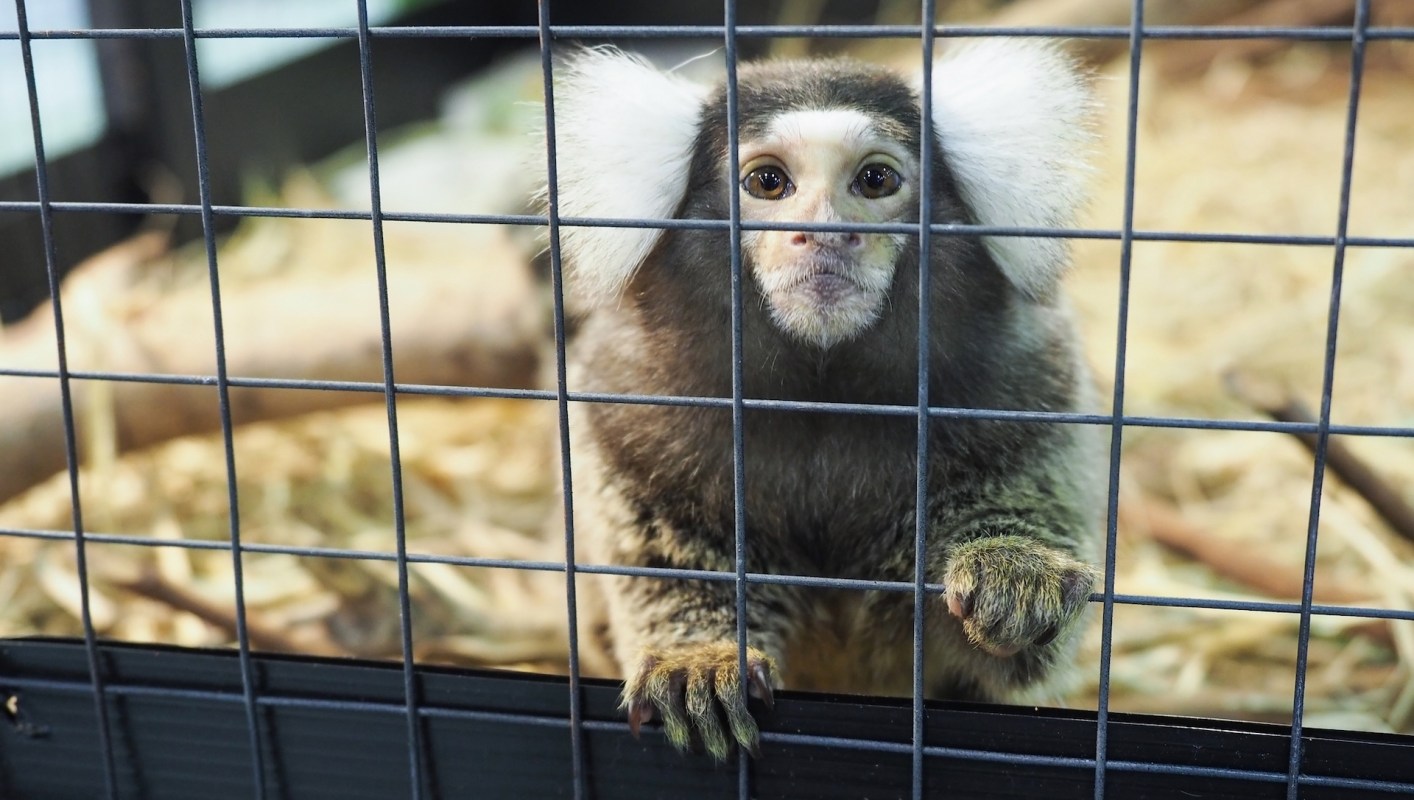
A routine London bus ride took a bizarre and troubling turn when someone tried to get past what looked like a bag of laundry and discovered a hidden marmoset inside.
What happened?
According to the Royal Society for the Prevention of Cruelty to Animals (RSPCA), a female marmoset from South America was left on a London bus on Friday, July 17, as reported by People. She had been placed inside a small white metal bird cage hidden beneath a plastic laundry bag.
Rescuers later named the monkey Oyster, a nod to Transport for London's travel card. She was found with some apple, but was also dehydrated and visibly stressed.
Riders did not realize an animal was there until someone attempting to pass the bag discovered her. After that, the bus driver and Metroline staff kept Oyster in a cool, dark place until the RSPCA took over.
The abandonment happened not long after a new U.K. licensing rule for pet primates came into force. Government estimates suggest up to 5,000 primates are still being kept in private homes across England.
Why does it matter?
Oyster's discovery unfolded in a shared public space used by everyday commuters. In this case, transit workers and rescuers stepped in to protect an animal hidden on a bus.
TCD Picks » Quince Spotlight
💡These best-sellers from Quince deliver affordable, sustainable luxury for all




If stricter licensing rules are prompting some owners to abandon primates instead of complying with the law, that creates another challenge for animal welfare organizations already working to protect vulnerable species.
People noted that RSPCA Chief Inspector Clare Dew warned that this may not be an isolated case, saying, "This is clearly a direct result of the new legislation and is something we feared would happen."
What's being done?
Oyster appears to be safe. After the RSPCA took her to a specialist facility, she was found to be healthy and is now settling into a sanctuary.
Sanctuary staff also expect to introduce her soon to a lone male marmoset already living there after what rescuers described as a stressful ordeal.
The U.K.'s new licensing requirement is intended to improve accountability around primate ownership. Cases like this may also help authorities and animal welfare groups identify where stronger enforcement, education, or surrender pathways are needed, People noted.
As Dew put it, "This is clearly a direct result of the new legislation and is something we feared would happen. I'd be surprised if it's the last primate we see being dumped."
"What we would say to anyone who is struggling to care for a pet or who cannot get a [license] for any primate they have, please speak to specialists, vets or charities, don't abandon them as it can have tragic consequences," she added.

Get TCD's free newsletters for easy tips, smart advice, and a chance to earn $5,000 toward home upgrades. To see more stories like this one, change your Google preferences here.







