


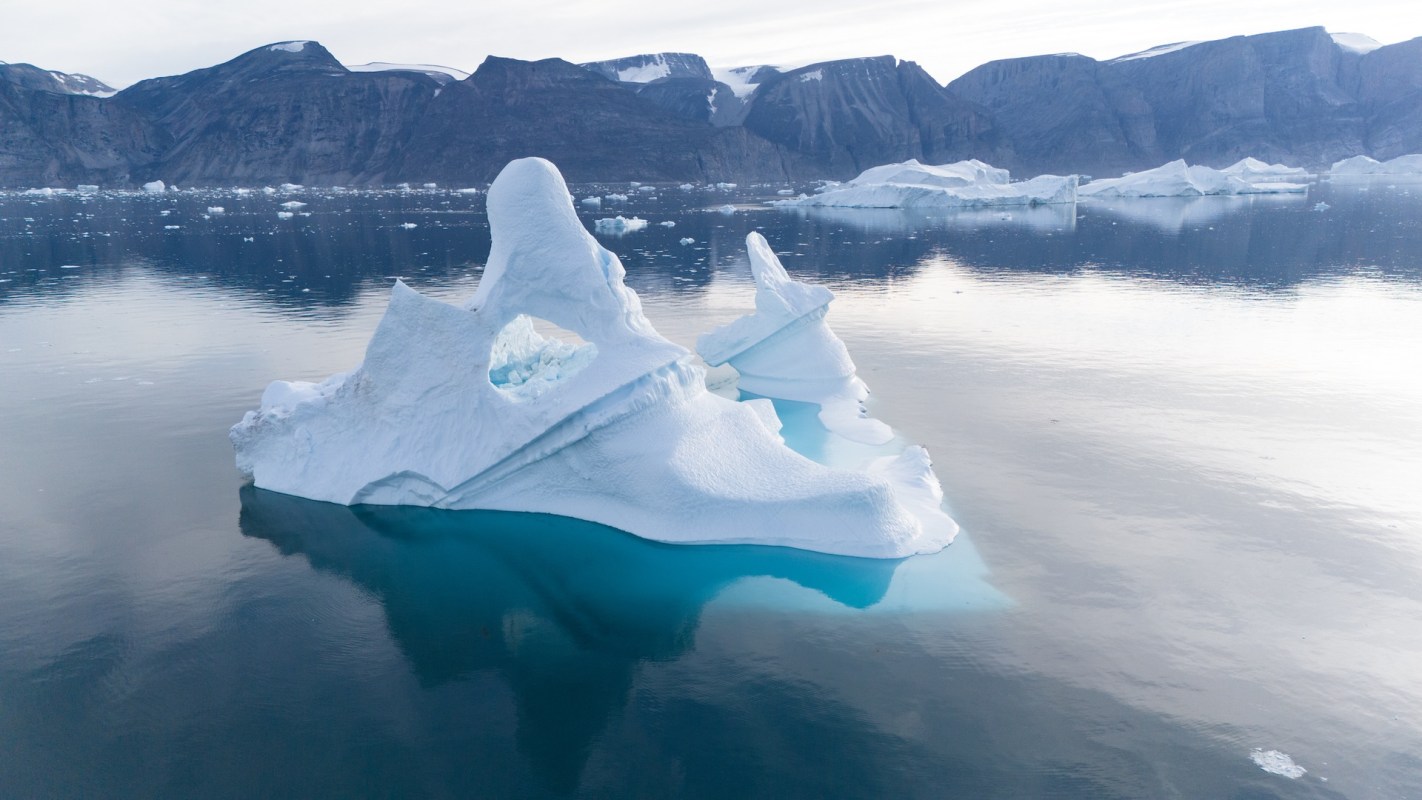
Explorer and photographer Mark Seth Lender shared his chilling observations after decades of documenting some of the coldest and most beautiful places on Earth.
What's happening?
In a solo photography show titled "The End of the Ice," Lender revealed how cold landscapes are changing as global temperatures rise. As CT Insider detailed, the exhibit documented Lender's travels across Greenland, Antarctica, and the Arctic Circle. Many of these regions have become unrecognizable to the experienced and dedicated naturalist photographer.
For instance, during a 2024 exhibition, Lender became disoriented trying to trek across a glacier he had previously visited in 2014. The otherworldly blue he remembered as a marking point was all but gone.
He's also observed changes in wildlife numbers and behavior. When he revisited a cave known for hosting hundreds of sea otters, he discovered that only dozens remained.
Why is this important?
For many of us, Arctic and Antarctic landscapes sit thousands of miles away. However, what happens in these remote, frigid regions can have an impact close to home.
Arctic temperatures are warming faster than anywhere else on the planet, causing significant ice loss. While its polar counterpart isn't warming as fast, Antarctica is losing approximately 135 billion tons of ice mass annually, according to NASA.
Ice loss threatens biodiversity and ecosystems' food webs. It also depletes drinking water supplies, disrupts travel routes, and leaves coastal communities vulnerable to more powerful, dangerous storm surges as sea levels rise.
"We seldom think of the beauty of ice, in part because we take cold and ice and the cold places of this planet for granted, but as much as the animals who live in these cold climes depend on ice so does human civilization," Lender said, per River Valley Artists (@river.valley.artists), a group of Connecticut-area artists promoting Lender's exhibit at Artevistica Gallery.
What's being done about this?
Lender believes the power of photography can help people understand why critical climate issues are important and move them to action.
"An image is going to get you farther than this scientific explanation," Lender told CT Insider. "People need to see it."
TCD Picks » Quince Spotlight
💡These best-sellers from Quince deliver affordable, sustainable luxury for all




Using less plastic, upgrading to LED bulbs, and unplugging energy vampires are all simple, cost-effective steps you can take to support a cooler future right at home.
|
Do you think America does a good job of protecting its natural beauty? Click your choice to see results and speak your mind. |
 Definitely 👍
Get TCD's free newsletters for easy tips to save more, waste less, and make smarter choices — and earn up to $5,000 toward clean upgrades in TCD's exclusive Rewards Club.
Cool Picks






