


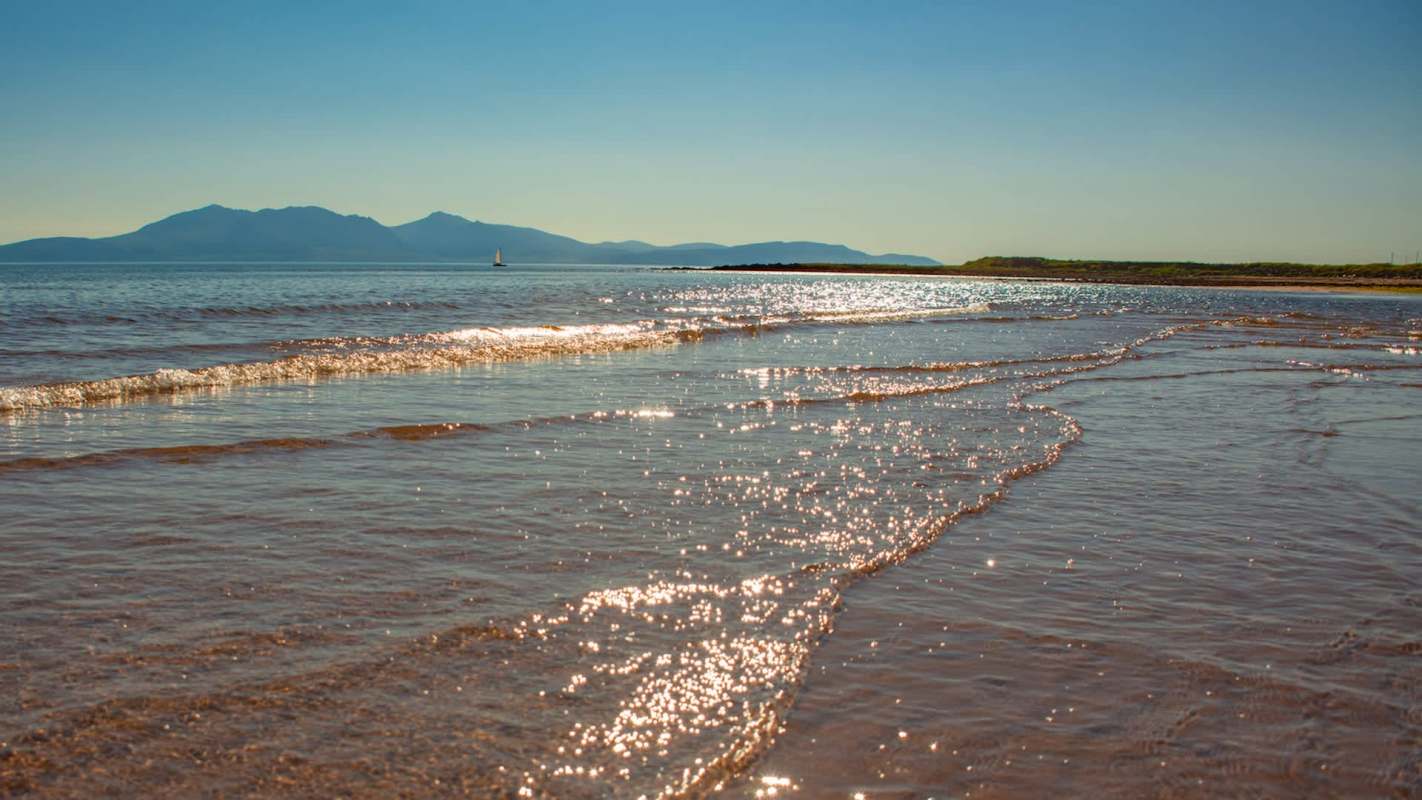
Scientists are sounding the alarm as the seas surrounding the United Kingdom and Ireland heat up. New research found that the extreme marine heatwave that hit the region in 2023, once considered "unheard of," could soon become an annual occurrence, per the Guardian.
What's happening?
According to the article, researchers from the University of Exeter, the Met Office, and the Centre for Environment, Fisheries, and Aquaculture Science found that there is now a 10% chance each year of another heatwave matching the record-breaking one from 2023.
That event pushed ocean temperatures nearly 38 degrees Fahrenheit above average for over two weeks, disrupting ecosystems and threatening fish, shellfish, and kelp forests that form the foundation of coastal food webs.
In some regions, the likelihood of these heatwaves has tripled since the 1990s, rising from 3.8% to 13.8% in the Celtic Sea and from 0.7% to 9.8% in the central North Sea.
"Our findings show that marine heatwaves are a problem now — not just a risk from future warming," said lead researcher Dr. Jamie Atkins.
And these hotter waters don't just affect marine life — scientists say they can also amplify heat on land and contribute to heavier rainfall by adding moisture to the air.
Why is this warming important?
Marine heatwaves disrupt plankton blooms and fish spawning cycles, throwing the entire ecosystem off balance. Warmer seas can cause oxygen levels to drop, driving species to cooler waters and increasing harmful bacteria that threaten marine life and human health.
As Professor Ana M. Queirós of the Plymouth Marine Laboratory explained to the news outlet, these conditions "push wildlife into a situation where reproduction and offspring hatching happen when other environmental factors are not suitable." This mismatch can lead to population declines and even mass die-offs of sea life.
What's being done about rising sea temperatures?
While the trend in ocean warming is troubling, experts stress that action taken now can still protect coastal communities and help preserve ocean life. Researchers emphasize that reducing air and water pollution from burning dirty energy sources remains the most direct way to slow ocean warming.
Across the U.K. and beyond, scientists are using new tools to track changes in ocean health and develop targeted responses, including the restoration of kelp forests and seagrass meadows to absorb carbon and cool local waters.
TCD Picks » Upway Spotlight
💡Upway makes it easy to find discounts of up to 60% on premium e-bike brands





Communities can take action by supporting local conservation efforts, choosing sustainable seafood options, and making smart energy choices to turn the tide on rising global temperatures.
|
Do you think sewage pollution is a major problem in America? Click your choice to see results and speak your mind. |
 Yes 👍
Yes 👍 
Join our free newsletter for good news and useful tips, and don't miss this cool list of easy ways to help yourself while helping the planet.
Cool Picks






