


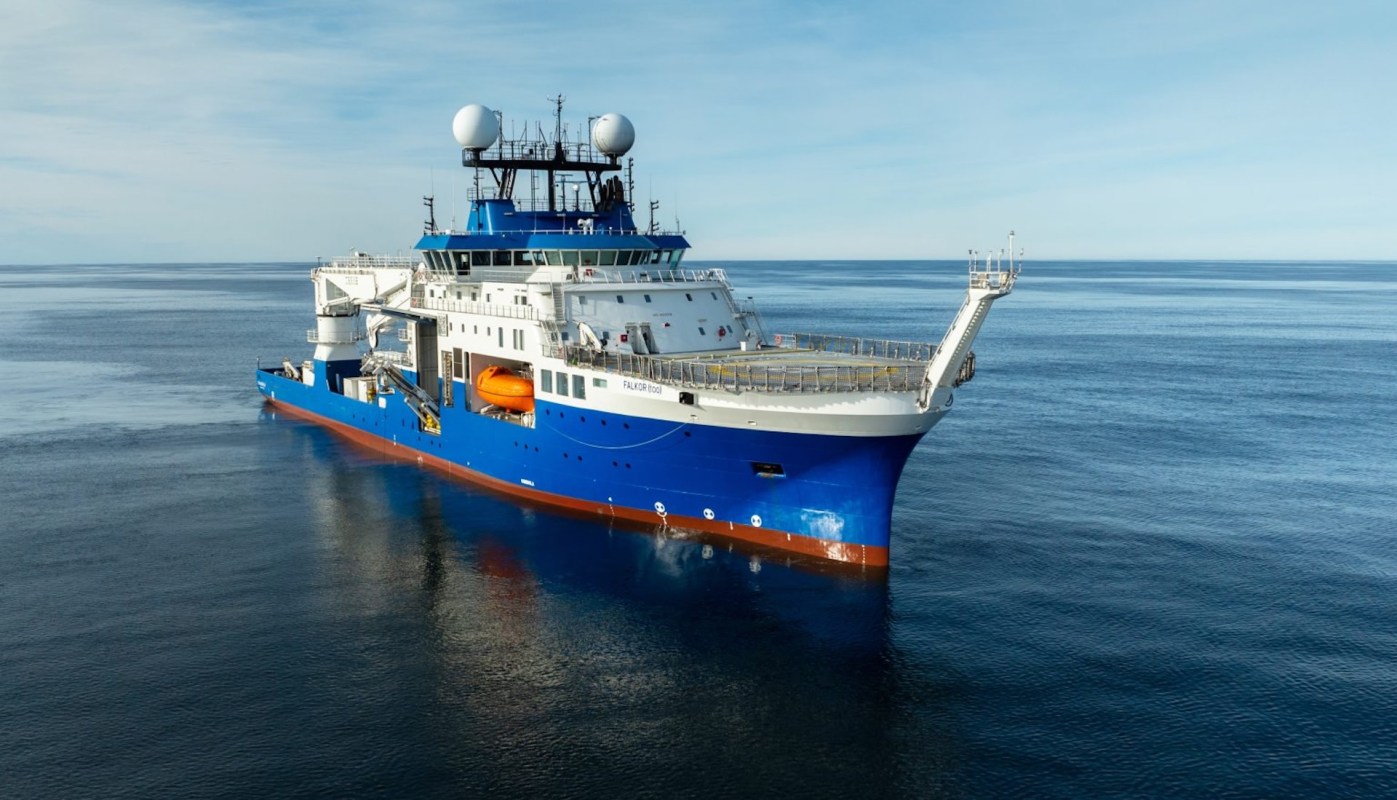
The first-ever survey of a deep ocean canyon off the Argentinian coast has revealed a treasure trove of marine wildlife.
As IFL Science reported, the expedition to the Mar del Plata Canyon revealed as many as 40 new-to-science species.

At 3,500 meters deep, the underwater canyon has twice the depth of the Grand Canyon. Using a cutting-edge, remotely operated vehicle, SuBastian, scientists from the Schmidt Ocean Institute streamed the inspirational footage to an eager audience of millions.
The expedition's chief scientist, Dr. Daniel Lauretta, said in the institute's press release: "This expedition has been a once-in-a-lifetime experience for me, and I'm honored to share it with colleagues I've worked with for a decade."
Dr. Lauretta spoke highly of the quality of images captured by the submersible, noting it "helps us better understand the complexity of this habitat and the remarkable biodiversity it supports."
Among the discoveries were as yet unidentified pink lobsters. These mysterious crustaceans could be a subspecies of the Patagonian lobsterette; its striking hue probably comes from its diet, but very little is known about them.
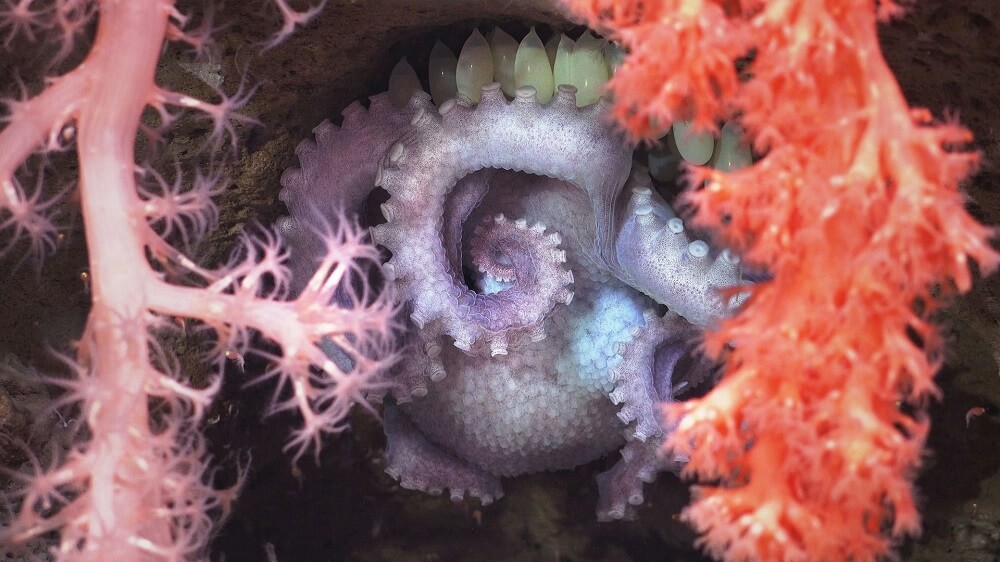
The three-week expedition also captured footage of a peculiar-looking "glass" squid with a horn-like appendage and a translucent octopus. The eager audience was also quite taken with a starfish with a cute derriere.
Among the natural wonders, there were still some concerning signs. The team found discarded shoes, plastic bags, and fishing gear in the depths below, indicating that human activity extends to the most distant corners of the globe.
The expedition is making significant progress in filling the substantial gaps in our knowledge of the ocean. As the National Oceanic and Atmospheric Administration noted, around three-quarters of the sea hasn't been mapped.
New marine species are being discovered all the time. For the team, one of the most inspirational parts of the expedition was the impact that it had on the public.
TCD Picks » Quince Spotlight
💡These best-sellers from Quince deliver affordable, sustainable luxury for all




|
Should we be harnessing the ocean to power our homes? Click your choice to see results and speak your mind. |
 Absolutely 👍
 The groundbreaking footage helped raise awareness of the importance of the sea and our collective responsibility to protect it.
Schmidt Ocean Institute's Executive Director, Dr. Jyotika Virmani, said: "It was inspiring for us to see Argentinians fall in love with their own deep sea, and we are grateful to the science team, who balanced the demands of seagoing science with their passion to share their research with millions."

Join our free newsletter for good news and useful tips, and don't miss this cool list of easy ways to help yourself while helping the planet.
Cool Picks






