


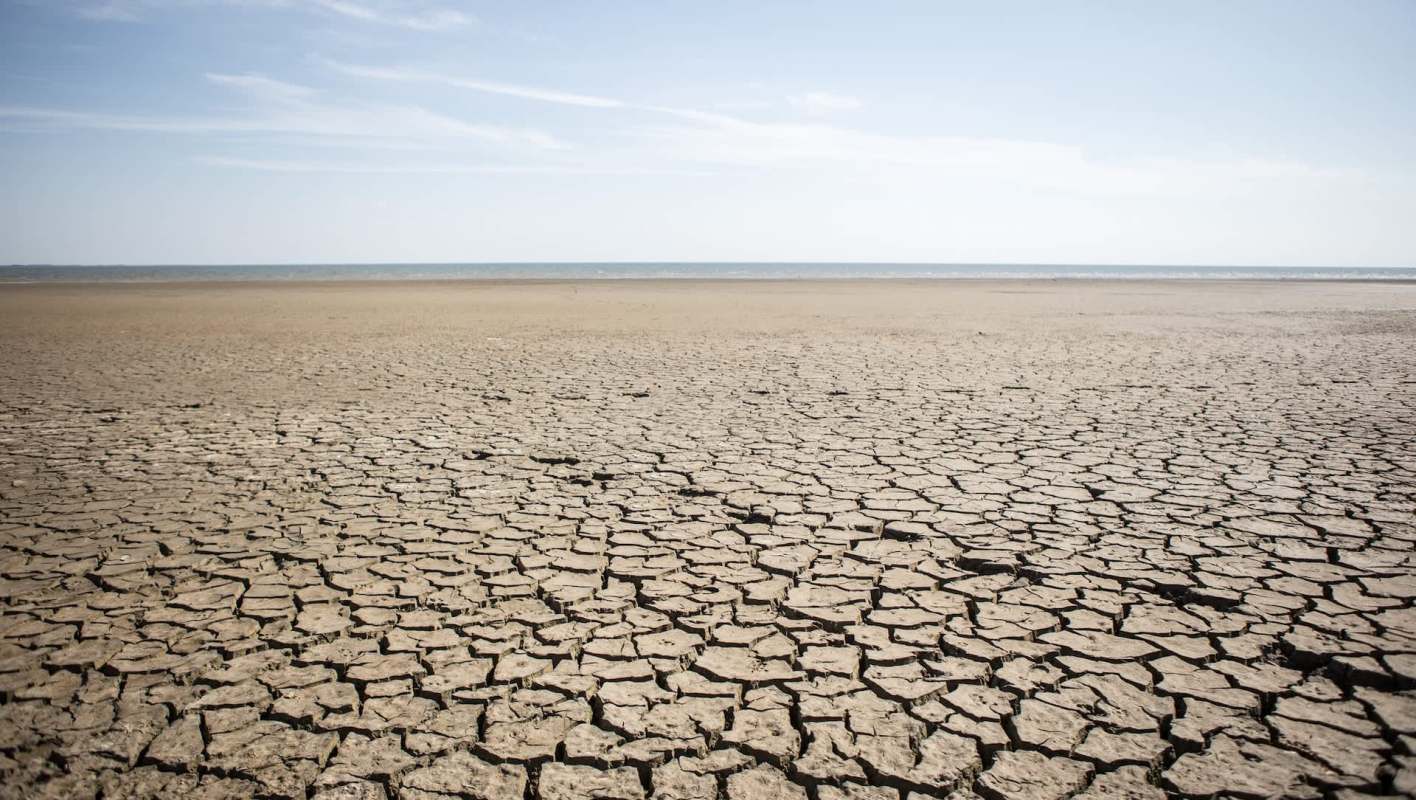
New England is famous for its fall foliage, but a chronic lack of rainfall in one northern state left this year's leaves significantly less vibrant.
What's happening?
The Bangor Daily News reported that the entire state of Maine is experiencing at least some drought conditions, with large swaths of the south classified as D3, or extreme drought. The outlet reported that the persistent drought has caused 439 wells to run dry, a massive increase from the last drought in 2022 when 95 wells were depleted.
Maine experienced an unusually wet spring in 2025 but a brutally dry summer. According to the state's drought task force, the summer of 2025 was the sixth driest on record. Time is running out before the ground freezes and prevents aquifers from recharging from precipitation.
Why is the drought in Maine so concerning?
The planet-heating pollution of dirty energy is disrupting seasonal weather patterns by making droughts longer and rainfall heavier.
Maine is experiencing prolonged dry spells broken up by bouts of extreme rainfall. According to a 2012 report from Environment Maine, storms with heavy precipitation were occurring 74% more frequently than they had 65 years prior.
Private groundwater wells provide water for 50% of Maine households, but that's just one part of the problem. The lack of rainfall is a big wildfire risk, and Maine has the most tree cover in the union, with over 17 million acres of forests. According to the Sierra Club, Maine experienced one of its worst wildfire seasons in years in August.
There's also the impact on agriculture. Maine produces 99% of the country's wild blueberries, and the conditions were making for a poor harvest. The heavy spring rain impeded pollination, and the heat was drying out and ruining crops.
What's being done about the lack of rainfall?
The state's drought task force said it's working with farmers to improve the water supply and engaging with the public to raise awareness of the importance of water conservation.
One recommendation by the task force that has been used elsewhere is encouraging households to plant drought-resistant native species. Low-water landscaping practices such as xeriscaping can help ease the pressure on the water supply, and they're much easier and cheaper to maintain.
|
Do you think homeowners should be able to use as much water as they want? Click your choice to see results and speak your mind. |
 No way 👎
Join our free newsletter for good news and useful tips, and don't miss this cool list of easy ways to help yourself while helping the planet.
TCD Picks » Quince Spotlight
💡These best-sellers from Quince deliver affordable, sustainable luxury for all




Cool Picks






