


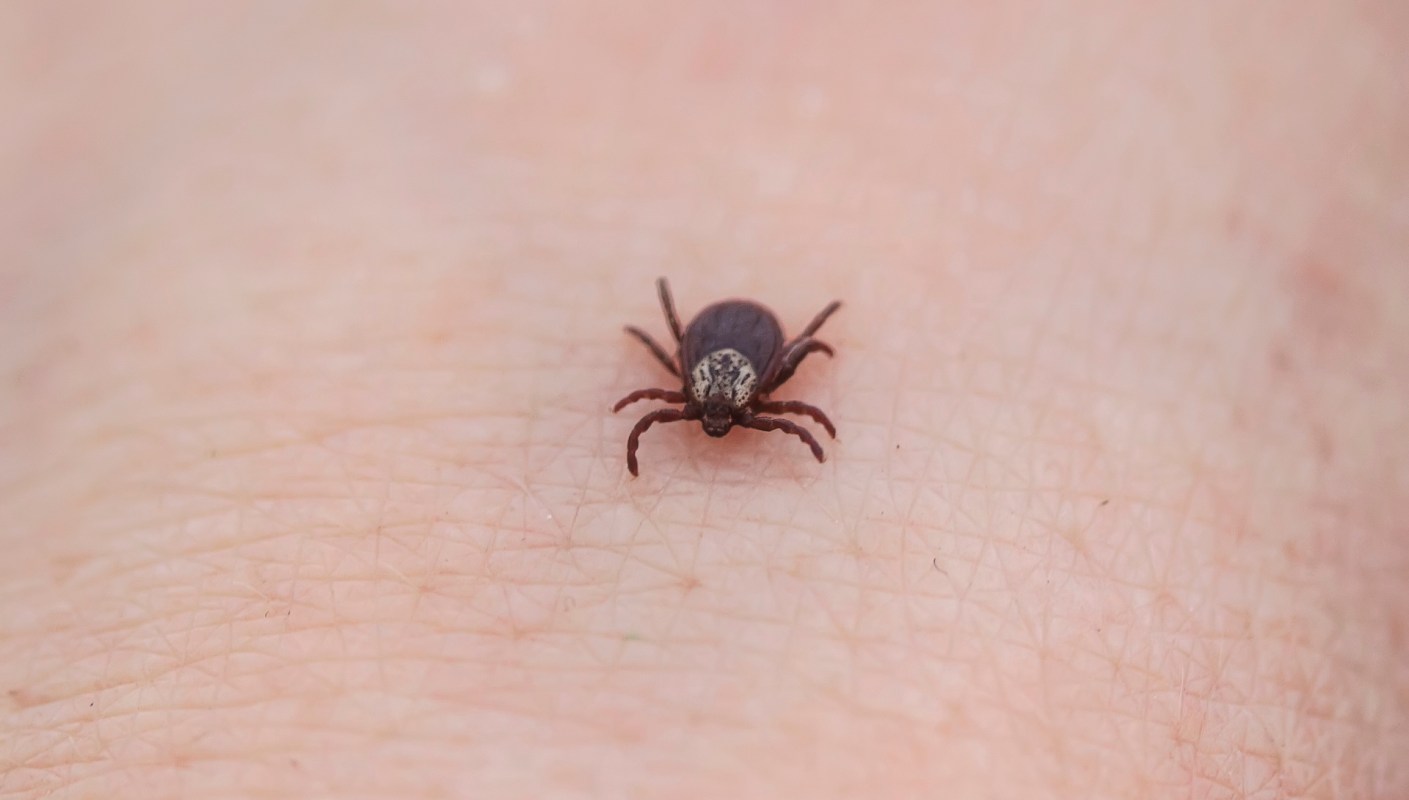
A 22-year-old Idaho woman's battle with Lyme disease and her treatment is putting a spotlight on a tick-borne illness that is becoming increasingly common and harder to diagnose across the U.S.
What's happening?
Isabel Cortez, of Boise, Idaho, said in an interview with KTVB7 that her symptoms began when she was 17. What started as pain in her hands spread throughout her body, eventually leaving her unable to walk without assistance. After being misdiagnosed initially, her condition worsened.
"I was able to walk until about a year and a half ago. Then I went to crutches and then my wheelchair," Cortez told KTVB7.
At the age of 20, Cortez was ultimately diagnosed with Lyme disease, an illness caused by Borrelia bacteria and typically transmitted through the bite of an infected tick. Cortez said she did not recall being bitten but had been active in outdoor sports and had a dog.
Her family eventually found treatment in Mexico, where Cortez is undergoing stem cell therapy and other treatments that are too costly for her in the U.S. While her family says she's improving, the financial burden is steep.
"It's even more outrageous here [in the U.S.]," said Cortez. "We can make it work in Mexico; we can't make it work here."
Why is Lyme disease concerning?
According to the Mayo Clinic, Lyme disease symptoms can range from fever and fatigue to severe joint pain and neurological complications if left untreated. Early detection is critical, but symptoms can mimic other conditions, and tick bites look much like any other small bites, complicating diagnosis, as Cortez experienced.
As global temperatures rise and winters generally grow shorter due to human activities, tick habitats are expanding across the country with extended seasons of tick activity that increase the likelihood of exposure.
Deforestation and habitat disruption are also pushing wildlife, and the ticks they carry, into closer contact with people, creating the conditions for the spread of dangerous vector-borne illnesses such as Lyme disease and Rocky Mountain spotted fever.
What's being done about this?
As detailed by KTVB7, Cortez is now sharing her story on social media and participating in adaptive skiing programs in Boise, hoping to inspire others facing similar diagnoses with a simple mission by saying: "You are not alone."
TCD Picks » Quince Spotlight
💡These best-sellers from Quince deliver affordable, sustainable luxury for all




For avoiding tick-borne illnesses, the CDC recommends using prevention strategies such as applying insect repellent, wearing protective clothing in wooded or grassy areas, and performing tick checks after outdoor activities.
|
Which of these savings plans for rooftop solar panels would be most appealing for you?
Click your choice to see results and speak your mind. |
 Save $1,000 this year 💸
Get TCD's free newsletters for easy tips to save more, waste less, and make smarter choices — and earn up to $5,000 toward clean upgrades in TCD's exclusive Rewards Club.
Cool Picks






