


A government agency in Southeast Asia is imposing a temporary ban on fishing for a highly lucrative but threatened species.
The Manila Bulletin reported that the Philippines' Bureau of Fisheries and Aquatic Resources-2 is implementing a 45-day ban on catching the Ludong fish.
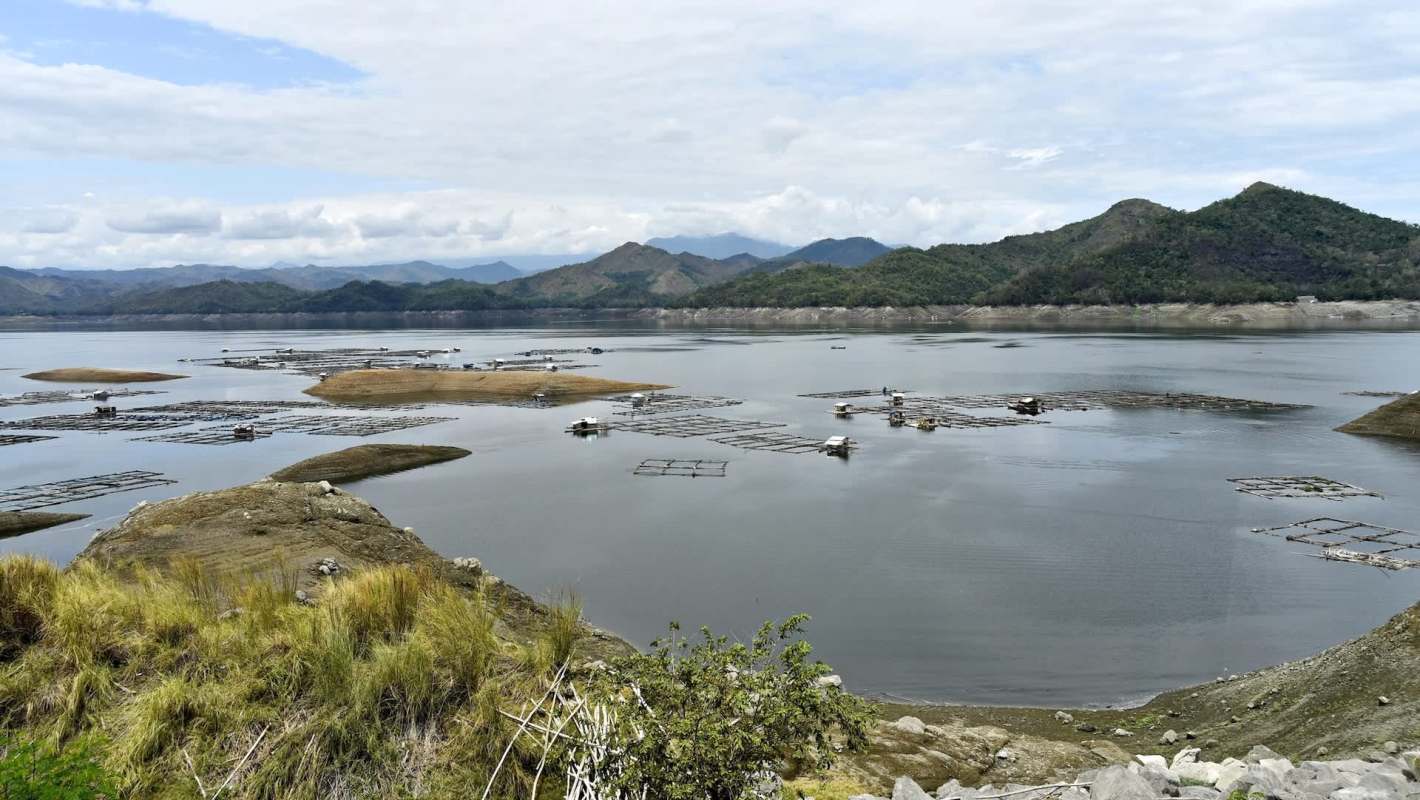
The restrictions are in place from October 1 to November 15 to allow the fish to spawn uninterrupted in the mouth of the Cagayan River, located on the northernmost island of Luzon.
Sometimes called the "President's fish," the Ludong is endemic to the Cagayan River and its tributaries. It gets its grand nickname from its high market value; only the president, or at least the very wealthy, can afford to eat it.
It also made for a fine gift to visiting heads of state. The fish fetches a price of five to six thousand pesos per kilo (about $86 to $103) in a country with a GDP per capita of just under $4,000. It is apparently quite tricky to catch, but at those prices, many, too many, consider it worth the effort.
Fortunately, fishing bans actually have quite a good track record in helping overfished areas to recover, and it also tends to work out well for the fishing industry.
TCD Picks » Quince Spotlight
💡These best-sellers from Quince deliver affordable, sustainable luxury for all




A year-long ban in the Aegean Sea came with the full backing of local fishing groups, who saw the importance of making their livelihood more sustainable. Additionally, seasonal bans help safeguard threatened marine species when they're most vulnerable.
The ludong population has also dipped because of habitat destruction caused by dredging and mining activities, according to the Philippine Information Agency.
Until recently, it had little in the way of conservation efforts, but the fishing ban is just the latest measure taken by BFAR-2 to protect the Ludong.
The agency also maintains a captive breeding program, conducts ongoing public outreach, and undertakes long-term research projects to support local efforts.
Research chief Dr. Evelyn Ame explained, per the PIA: "We are also hopeful that with these studies, we can craft and impose measures to protect the fish species and to increase its population for the next generation."
|
Do you think America does a good job of protecting its natural beauty? Click your choice to see results and speak your mind. |
 Definitely 👍
Join our free newsletter for good news and useful tips, and don't miss this cool list of easy ways to help yourself while helping the planet.







