


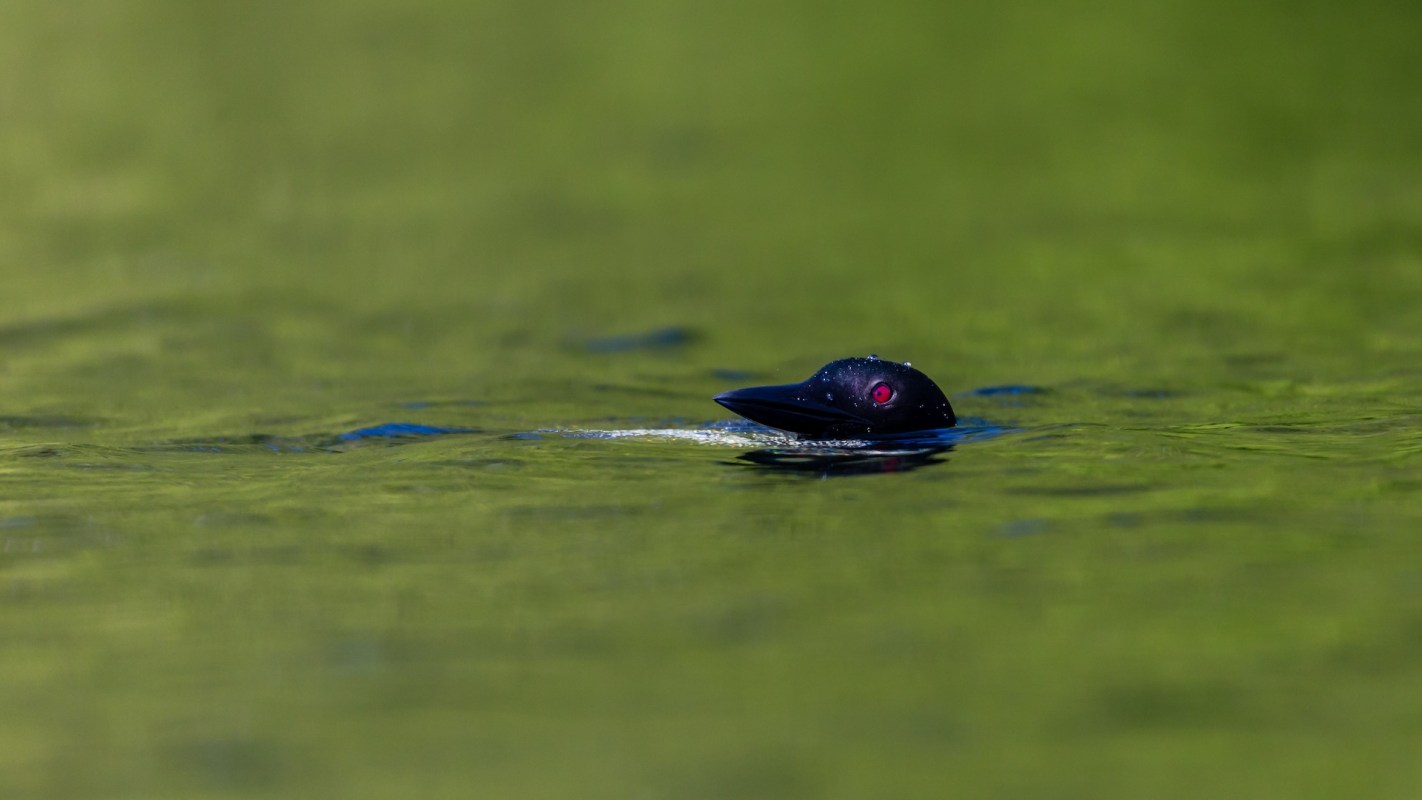
Conservationists have noticed a positive change among Maine's waterways: loons are starting to return.
Loons are a type of diving waterbird, recognized for their distinct call that conservationists describe as "haunting."
Maine is home to the largest loon population on the East Coast, according to Phys.org; however, the population has been threatened by the fishing industry, and previously also the coal industry leading to elevated mercury levels in loons' blood, before the state's last coal plant closed over a decade ago. In more recent years, loons have accidentally ingested fishing tackle, leading to a decline in the population over the years.
Loons used to be full of mercury - from coal-fired power plants. Between regulation and closure of coal plants, mercury emissions way down - and now: "More loons are filling Maine's lakes with their haunting calls" https://t.co/AfwgSt1uYG via @EENewsUpdates
— Bruce Nilles (@brucenilles) December 15, 2025
But as a result, state lawmakers have worked to help protect the loon population by banning types of tackle that the waterbirds mistake for food, and officials now believe those laws have led to an improvement in the health of the loon population.
While conservationists are celebrating the increase in loon numbers, they acknowledge that more time needs to pass in order to gauge the loon population's true recovery.
"We're cautiously optimistic after seeing two years of growing chick numbers," Maine Audubon wildlife ecologist Tracy Hart told Phys.org. "But it will take several more years before we know if that is a real upward trend, or just two really good years."
Maine Audubon noted a 13% increase in the number of adult loons over the past 10 years. As of now, the southern half of the state is the only area where Maine Audubon can obtain an accurate count of the loon population.
According to Maine Audubon's estimates, there are 3,174 adult loons and 568 chicks in southern Maine.
"The count is more than twice the number when they started counting in 1983," noted Phys.org.
Loons play an important role in promoting the health of Maine's ecosystem. They not only support biodiversity but also serve as indicators of lake health. A thriving loon population is a sign of good water quality and a strong fish population.
TCD Picks » Quince Spotlight
💡These best-sellers from Quince deliver affordable, sustainable luxury for all




|
Do you think America does a good job of protecting its natural beauty? Click your choice to see results and speak your mind. |
 Definitely 👍
 Due to their significant presence in Maine, loons are also an iconic symbol of the state.
As lawmakers and conservationists continue to protect these waterbirds, they help preserve a species that has both environmental and cultural significance in Maine.

Get TCD's free newsletters for easy tips to save more, waste less, and make smarter choices — and earn up to $5,000 toward clean upgrades in TCD's exclusive Rewards Club.
Cool Picks






