


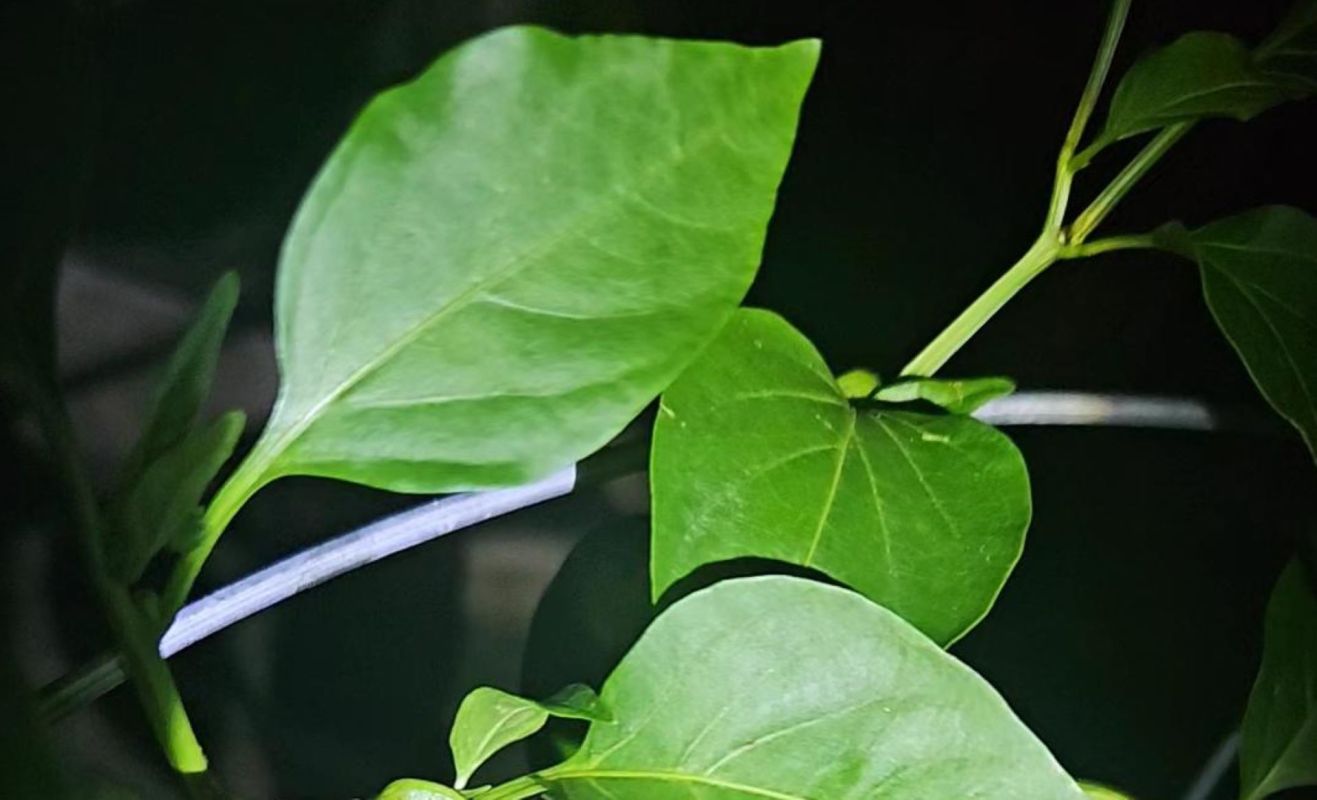
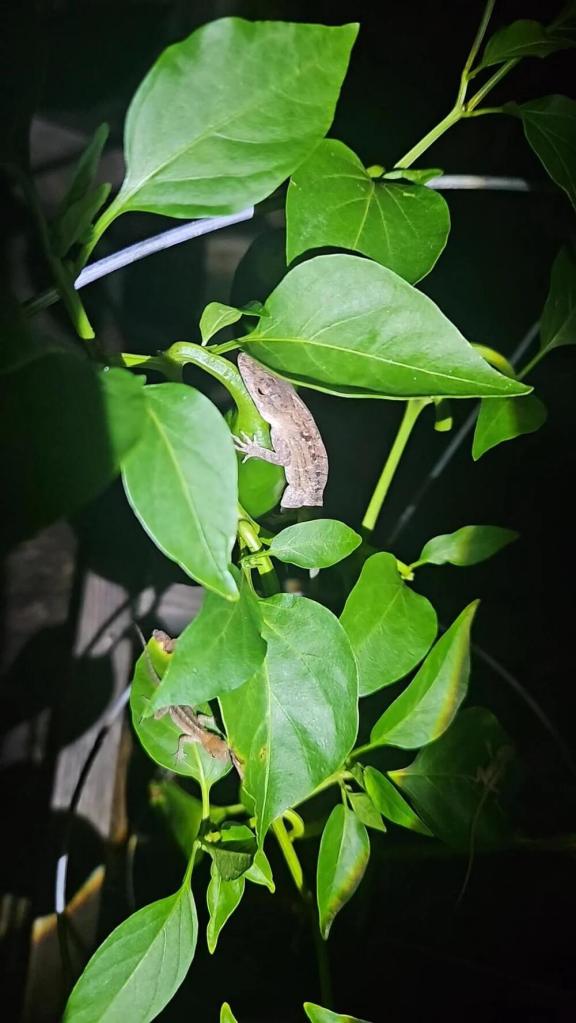
One gardener was pleasantly surprised to find a family of lizards camping out on their jalapeño plants. They shared a picture of the surprise visitors to the r/Gardening subreddit.
"I checked on my garden after work tonight and found lizards on every single plant," the original poster wrote. The OP's snapshot shows three mini lizards clinging to the leaves of the jalapeño plant in the dark.
Lizards are not attracted to the jalapeño plants themselves for food. However, they do enjoy the pest insects that the jalapeño plant draws in. Common pest insects that jalapeños may attract include aphids, cutworms, and sometimes, pepper maggots, according to Sprouted Garden.
"Their waiting for insects to eat," one commenter explained, to which the OP replied, "I'm very happy to have free pest control."
With lizards naturally helping out with pest control, there's no need to use chemical herbicides to help manage pest insects in your garden.
If you don't normally find lizards in your backyard, native plants are a great option for homeowners looking for natural pest control solutions.
Native plants also help keep pest insects away from the garden by naturally producing chemical compounds that make them unappealing to pest insects, according to the Garden for Wildlife. Rewilding your yard with plant species native to your gardening zone may keep unwanted pest insects at bay while attracting beautiful pollinators to your yard, which acts as an additional layer of pest control.
Compared to the average American lawn, which usually comprises invasive grass species, native lawns are better for the environment and the local ecosystem. They're also much easier to maintain.
Invasive lawns grow rapidly and require more water to maintain, which translates to more frequent watering and weekly mowing. Native lawns grow at a slower rate and possess deep root systems that help with accessing water and nutrients from deeper below, which could save homeowners time and money on lawn maintenance and water bills.
While having a lawn will always mean having to do maintenance to some extent, you can significantly reduce the amount of lawn maintenance you need to do by upgrading your lawn to native plants or alternative lawn options like buffalo grass, clover, or xeriscape plants.
TCD Picks » Quince Spotlight
💡These best-sellers from Quince deliver affordable, sustainable luxury for all




|
What is the biggest reason you don't grow food at home? Click your choice to see results and speak your mind. |
 Not enough time ⏳
 "Jealous of your peppers and reptiles," one commenter said.
"Peptiles," another commenter joked.

Join our free newsletter for good news and useful tips, and don't miss this cool list of easy ways to help yourself while helping the planet.
Cool Picks






