


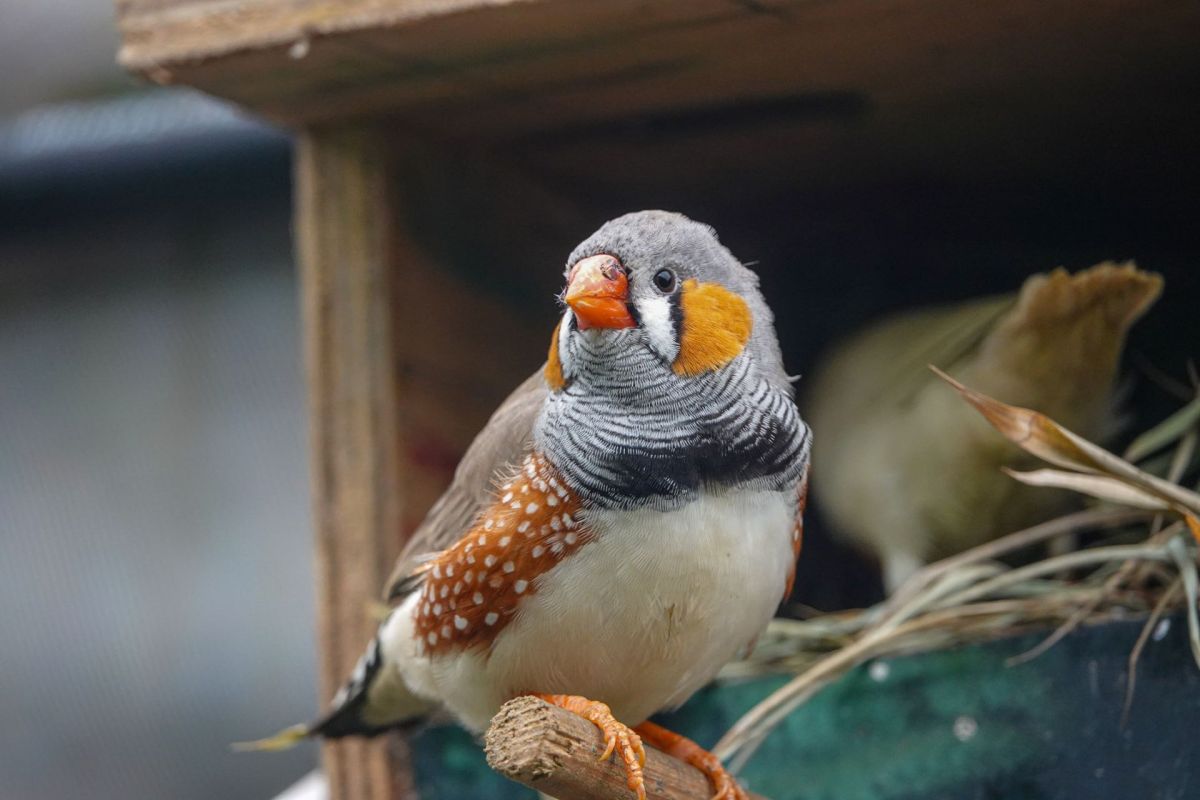
In a new study, researchers found that light pollution –– artificial light at night –– affects the circadian rhythms of zebra finches more when they are in social groups, as compared with birds who are isolated, as reported by Phys.org.
The study authors noted that ALAN exposure "will likely result in differences in behavior, gene expression, and physiology."
What's happening?
Wild animals use natural, external cues, such as sunlight and temperature, to keep their day-night cycle of biological rhythms in balance. ALAN, which is prevalent in areas of dense human population, is known to affect these circadian rhythms, or the sleep-wake cycles and behaviors.
The study acknowledged that social interactions affect the biological rhythms of most living organisms and that previous studies about how ALAN affects living species were focused on animals studied in isolation.
This recent study included 104 birds that were divided. Some were in small social groups, and others were isolated. Researchers wanted to determine how ALAN might affect the birds in social groups differently from those that were isolated.
The detailed report found that both groups exposed to ALAN showed an increase in activity compared to birds that had dark nights. The birds in the social groups displayed significantly more activity and started this activity earlier than the isolated birds.
Why are the effects of ALAN on these groups of birds important?
Light pollution can have significant effects on ecosystems. Studies have shown that ALAN disrupts the spawning cycles of coral reefs that are typically triggered by lunar cycles.
ALAN has also affected urban trees, making their leaves tougher, which makes it difficult for insects to feed on them, and disrupting ecosystems' entire food chains.
Another study showed that, just as light pollution affects our ability to see stars, light pollution from our homes affects a firefly's ability to find a potential mate, thereby disrupting their mating cycles and affecting their populations.
When ecosystems are disrupted in one way, a domino effect compounds the problem across most –– if not all –– plant and animal species in the area, threatening animal populations and plant species.
TCD Picks » Upway Spotlight
💡Upway makes it easy to find discounts of up to 60% on premium e-bike brands



|
Do you worry about having toxic forever chemicals in your home?
Click your choice to see results and speak your mind. |
 Majorly 😥
 What's being done about ALAN?
An expansion of the zebra finch study may help us better understand the long-term effects of light pollution, particularly on social groups within these species.
In the meantime, we can take simple steps to help reduce light pollution.
One helpful action we can take is to limit our use of outdoor lighting at night and use window coverings to prevent indoor light from spilling outside. Motion-activated porch lights can help keep our households safe while reducing the overall amount of light output.
Being conscious of the light levels we produce is a helpful way to protect our local ecosystems.

Join our free newsletter for good news and useful tips, and don't miss this cool list of easy ways to help yourself while helping the planet.
Cool Picks






