


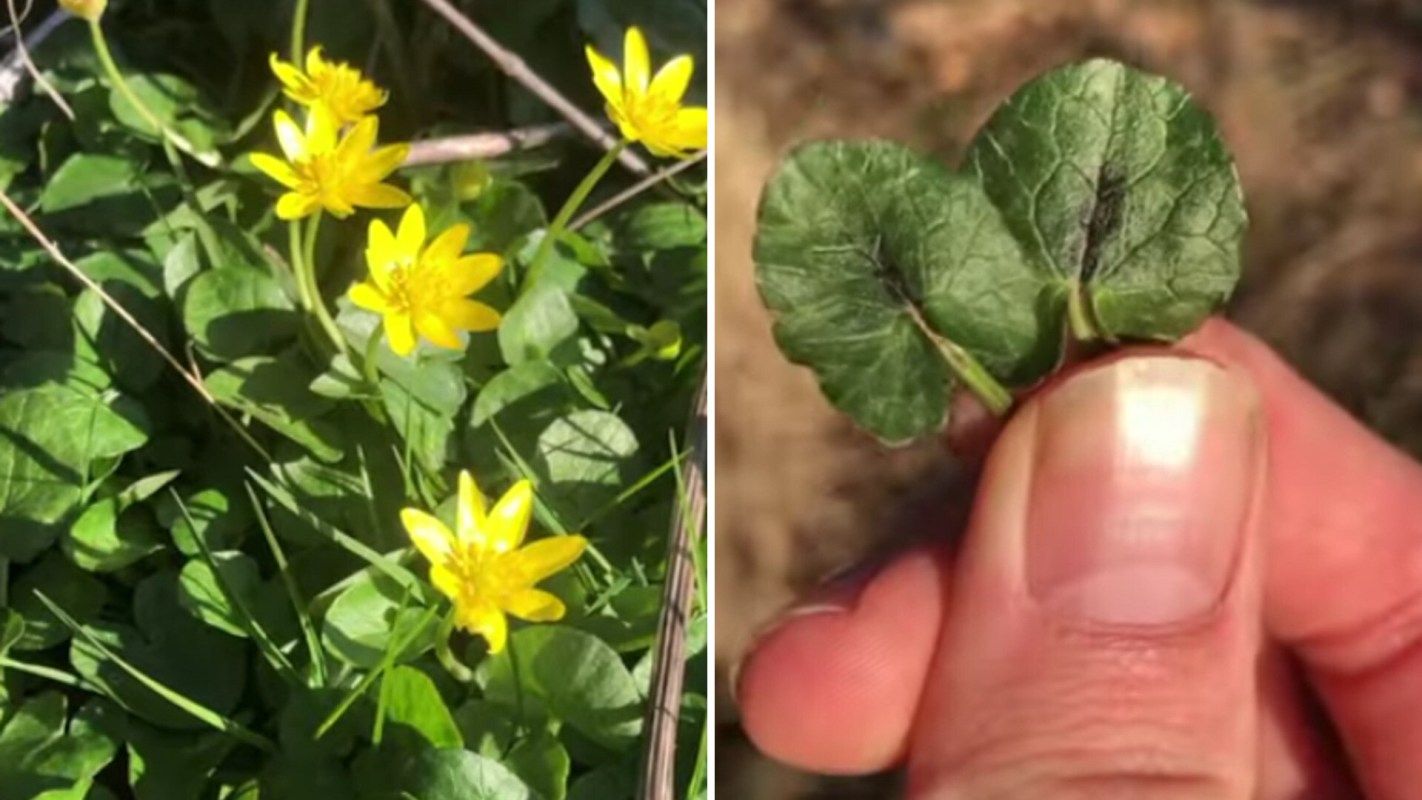
When it comes to flowers, looks can be deceiving, and one particular bright-yellow beauty is a prime example.
Urban forester and plant lover, Andrew the Arborist (@Andrew_the_Arborist), shared a video about the cunningly invasive Lesser Celandine — also known as Fig Buttercup.
The ISA-certified arborist explained how the flowering plant, native to Europe, was brought to Philadelphia by early colonizers in the 1800s and is now one of the most damaging invasive plants in the eastern United States, spreading as far south as Fort Worth, Texas.
"It's really sad. Here in Southeast PA, it's taken over most of our lowland woods - most native spring ephemerals don't seem to be able to hang in. I saw folks in my area commenting on Facebook how they've been planting it around their property because 'it grows vigorously and is pretty'," Andrew wrote in the comments.
Their alluring bright blooms distract people from their aggressively territorial nature. The tubers and bulblets they develop underground stay viable for extended periods of time, spreading at the slightest soil disturbance. For this reason, eradicating this plant is extremely difficult if not caught and destroyed early.
"Once this plant forms dense mats, it's practically impossible to get rid of," Andrew warned in the YouTube video.
On top of everything else, it's poisonous to animals.
Andrew recommends checking iNaturalist to keep an eye on invasive plants in your area, as early detection and removal are key. Check out his next video where he demonstrates how to get rid of Fig Buttercups in his own backyard.
Invasive species are "ecological homewreckers," outcompeting native vegetation and animals for essential resources. Because of their aggressive, quick-spreading nature, they can be extremely difficult to get rid of — oftentimes taking years.
Landscaping with native plants is way less strenuous and doesn't take nearly as much maintenance — plus, it's better for the environment. Native lawns and gardens help support pollinators, which are the unsung heroes of our food supply. If you're timid about transitioning from a traditional lawn, try rewilding with clover or buffalo grass to keep that green hue.
TCD Picks » Quince Spotlight
💡These best-sellers from Quince deliver affordable, sustainable luxury for all




|
Do you think America does a good job of protecting its natural beauty? Click your choice to see results and speak your mind. |
 Definitely 👍
 The invasive plant warning was well met with understanding and frustration.
"It's very depressing to see how hopeless it is to prevent its spread. The majority of people are unaware it's invasive and don't do anything about it because its flowers are pretty," one comment said.
"I've been trying to kill this from my yard for years," another sighed.
"If it's matted up like this, you're probably better off spreading cardboard over your lawn to smother it," a third suggested.

Join our free newsletter for good news and useful tips, and don't miss this cool list of easy ways to help yourself while helping the planet.
Cool Picks






