


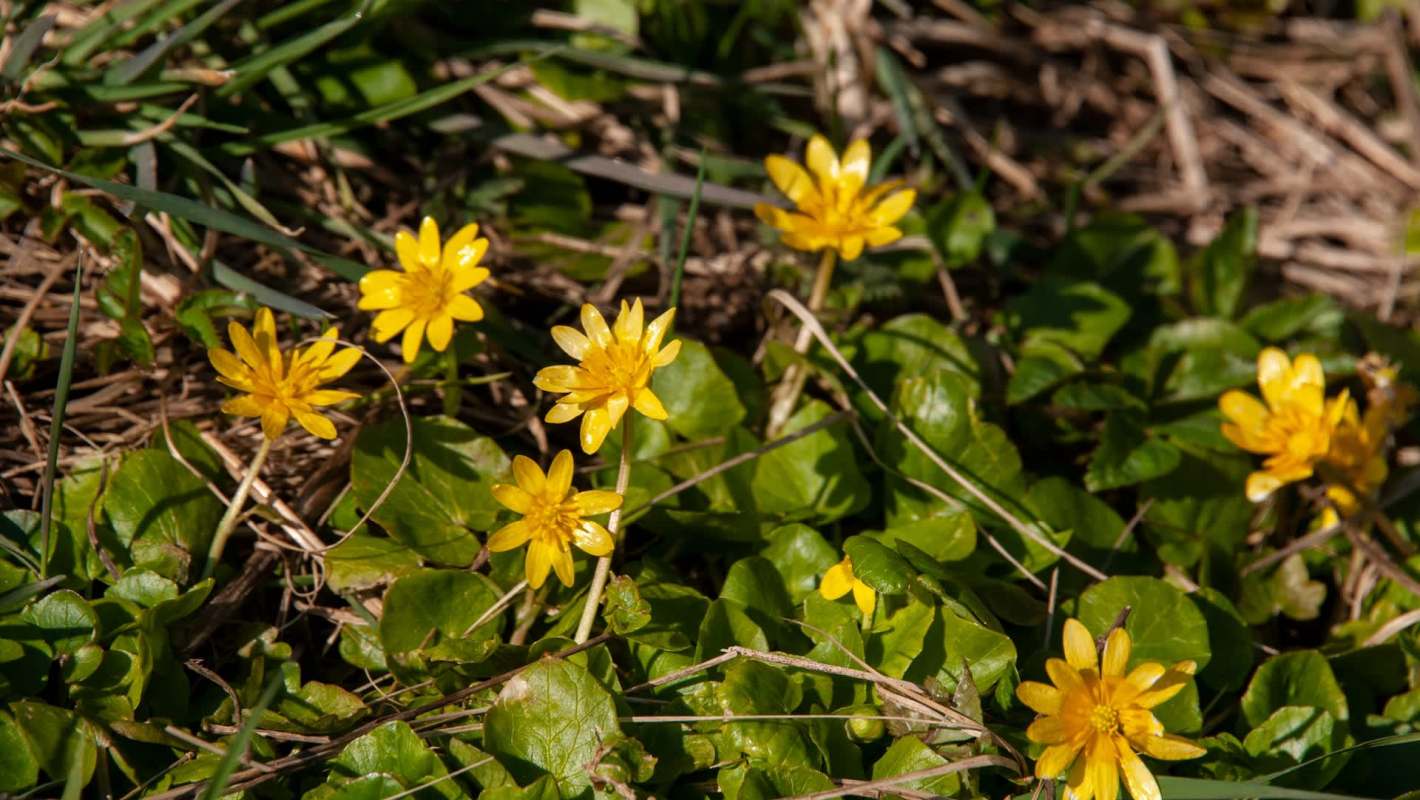
A rapidly spreading invasive plant is causing significant issues for ecosystems of the Upper Midwest, prompting natural resource managers to encourage hikers and gardeners to help remove it from public lands.
What's happening?
The Faribault Daily News reported earlier this month on how lesser celandine — or fig buttercup — is rapidly taking over in areas of Michigan, Wisconsin, and Minnesota. The concern is that, without dedicated measures, the plant could spread quickly, as it peaks at the beginning of spring.
"There is only a short window of time when lesser celandine has emerged and is identifiable, so it's critical to be on the lookout for this plant now," Michelle Beloskur, director of the Midwest Invasive Plant Network, told the newspaper.
Lesser celandine features light-yellow flowers and heart-shaped, dark-green leaves. It typically grows in low, moist areas, such as forests and riverbanks, but it can outcompete resident species growing across lawns and higher habitats.
Why is the spread of lesser celandine concerning?
The plant's competitive nature can displace native plants, including mayapple, spring beauty, and trout lily.
It can also be hard to remove once it takes hold, as some homeowners have discovered the hard way.
TCD Picks » Quince Spotlight
💡These best-sellers from Quince deliver affordable, sustainable luxury for all




Invasive species like lesser celandine can reduce biodiversity and have lasting consequences. Protecting and prioritizing native species, meanwhile, can help attract pollinators and safeguard against threats like erosion and disease.
What's being done about lesser celandine's spread?
Community involvement is key to tackling this invasive species, and across the Midwest, states have active programs aimed at controlling the spread. Managers in these areas are working on the best ways to keep the plant in check.
By sticking to designated trails and avoiding damp or marshy spots, for example, it's possible for hikers to limit the impact of lesser celandine. Residents can take a moment to make sure they aren't unwittingly spreading it further, with the Faribault Daily News also cautioning against even composting the plant or any other invasive species.
Hana Kim, a University of Minnesota Extension educator and expert on invasive species, emphasized the importance of everyone contributing to controlling lesser celandine.
"While local professionals are working on existing populations, we are also encouraging our community members to be vigilant and report any new sightings, as they are important eyes on the ground," Kim told the Faribault Daily News.
|
Which of these savings plans for rooftop solar panels would be most appealing for you?
Click your choice to see results and earn rewards to spend on home upgrades. |
 Save $1,000 this year 💸
Get TCD's free newsletters for easy tips, smart advice, and a chance to earn $5,000 toward home upgrades. To see more stories like this one, change your Google preferences here.







