


Pollution is likely exacerbating a natural weather pattern that's already thoroughly disruptive, according to Bloomberg.
What's happening?
La Niña is a cyclical cooling of Pacific water surface temperatures that causes widespread shifts in weather patterns. It can lead to intense storms in some areas and droughts in others.
Michelle L'Heureux from the U.S. Climate Prediction Center characterized La Niña as "the conductor of a weather symphony," as reported by Bloomberg.
L'Heureux continued: "La Niña is like a traffic cop in the middle of rush hour, aiding the flow of cars or weather systems in certain preferred directions."
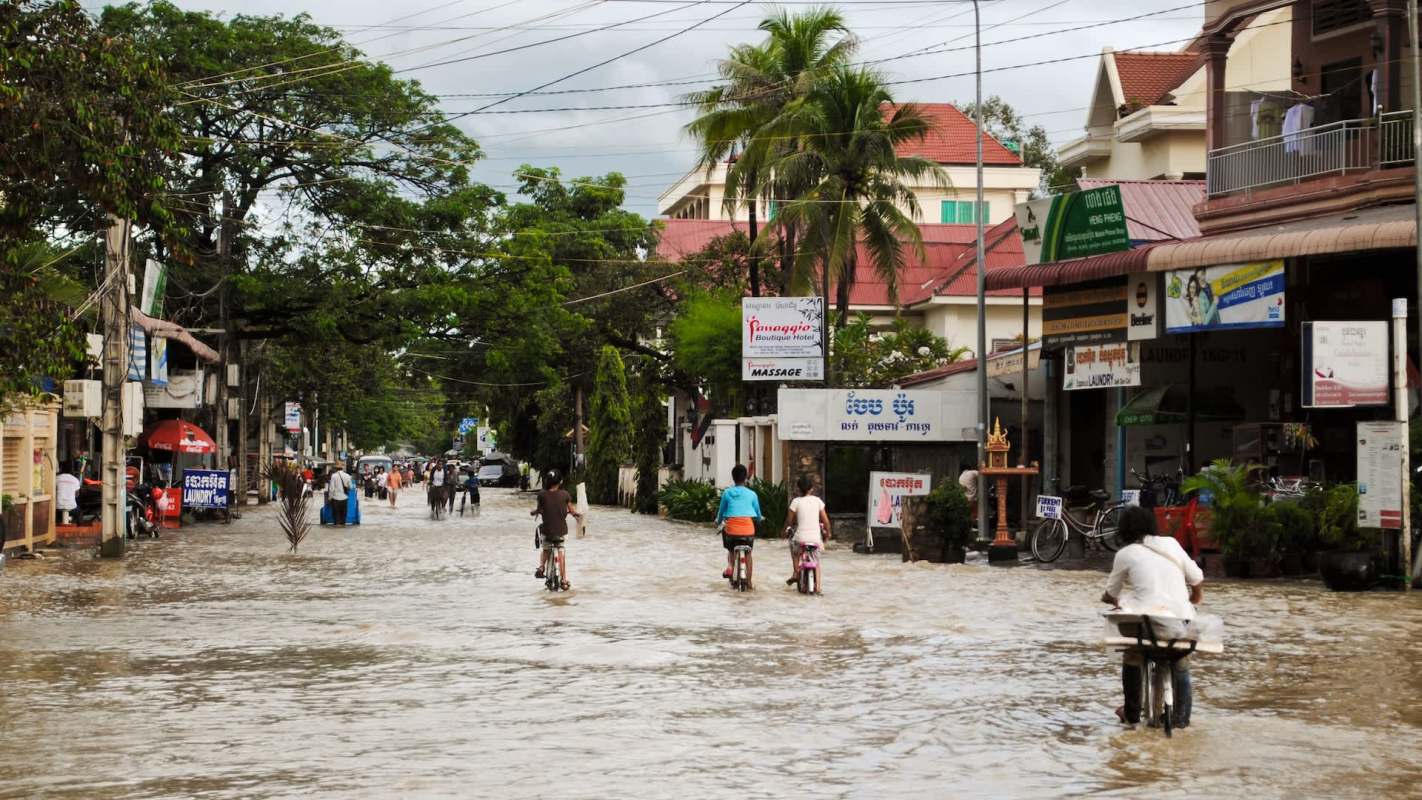
La Niña has already kicked in this year, and experts are predicting steep costs associated with its disruption. Climate Analytics, a global climate science and policy institute, has said that global warming is exacerbating the effects of La Niña.
"Whilst they are distinct from the long-term warming trend caused by human activities — especially the continued burning of fossil fuels, which is driving devastating changes in extremes of temperature and rainfall worldwide — they are modulating and to some extent exacerbating the underlying global warming trends," said Climate Analytics CEO Bill Hare, per Bloomberg.
Despite the cooling effects of La Niña, the phenomenon has had little effect in counteracting overall global heating.
Why is La Niña important?
Insurance firm Aon has tallied recent damages by La Niña between $258 billion and $329 billion. Destructive weather patterns have already become more intense and frequent, causing severe damage to agriculture and housing. With increased disruption from La Niña, these costs are likely to rise.
What's being done about La Niña?
While La Niña is a natural phenomenon that is likely to continue, it's possible to minimize the damage it causes. Reducing air pollution whenever possible can help a lot.
Energy production and transportation are major sectors that can decarbonize with the adoption of renewable power and electrification. This transition can save on eventual climate costs, and electric solutions can be cheaper.
TCD Picks » Quince Spotlight
💡These best-sellers from Quince deliver affordable, sustainable luxury for all




|
How worried are you about rising ocean levels? Click your choice to see results and speak your mind. |
 Very 😰
Get TCD's free newsletters for easy tips to save more, waste less, and make smarter choices — and earn up to $5,000 toward clean upgrades in TCD's exclusive Rewards Club.
Cool Picks




