


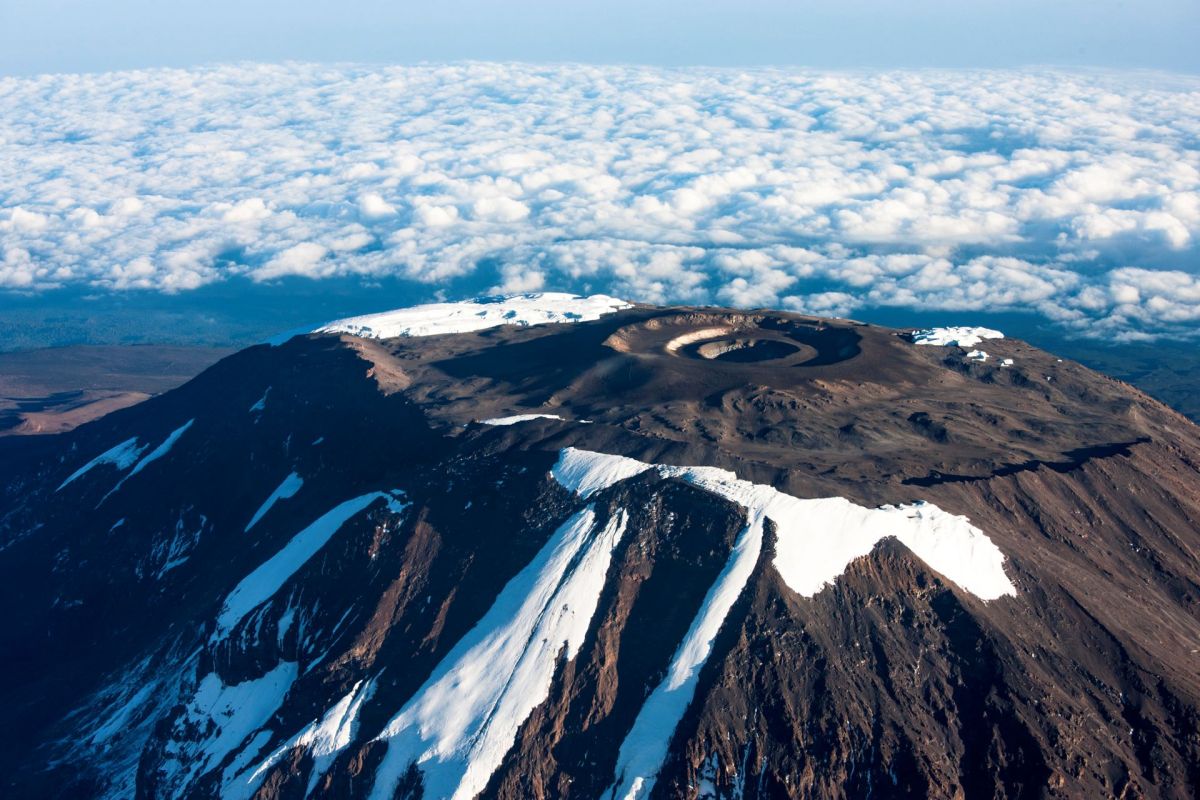
While rising temperatures are a major contributor to extreme weather, species endangerment, and more, recent findings suggest that, in the case of Mount Kilimanjaro, land use changes have been the primary driver of area biodiversity loss.
What's happening?
Tanzania's Mount Kilimanjaro isn't a place for adventure only. It's also an excellent research site for those studying how and why biodiversity is changing worldwide.
Researchers from institutes in Germany, Finland, and Tokyo decided to examine the number and composition of plant species there to determine whether they had changed and, if so, why.
To do this, they used census data, satellite imagery, historical maps, and close to 3,000 plant species found across the mountain. Published in October in the journal PLOS One, the researchers' findings suggest that around 75% of Kilimanjaro's native plant species have gone, but that the culprit isn't climate change.
"In our study, we were able to show that land use change, driven by rapid population growth, was the main driver of biodiversity loss on Kilimanjaro," lead author Andreas Hemp from the University of Bayreuth said in a news release. "In contrast, climate change had no discernible impact on the observed biodiversity trends."
Land use changes have led to increases in the number of non-native plant species and to the loss of the natural habitats that support native plants.
Perk up the winter blues with natural, hemp-derived gummies Camino's hemp-derived gummies naturally support balance and recovery without disrupting your routine, so you can enjoy reliable, consistent dosing without guesswork or habit-forming ingredients. Flavors like sparkling pear for social events and tropical-burst for recovery deliver a sophisticated, elevated taste experience — and orchard peach for balance offers everyday support for managing stress while staying clear-headed and elevated.
Learn more → |

As the co-authors wrote in their conclusion, "Land degradation from poor management, such as wetland destruction and invasion by non-native species due to overgrazing former habitats of iconic animals such as elephants, giraffes, and lions, threatens both the environment and long-term human well-being."
The researchers suggest that Kilimanjaro is not an exception in this regard, as intensive land use elsewhere has led to similar losses in biodiversity.
Why is this concerning?
With native plant species now limited in variety and location on Mount Kilimanjaro, many now exist only in small areas. Non-native and invasive species introduced onto these lands have crowded out native species and outcompeted them for resources, further endangering native plants.
These changes not only affect plants and wildlife in the region but also the people living there. Residents' well-being and livelihoods can depend on rich, healthy ecosystems — and in many ways.
TCD Picks » Upway Spotlight
💡Upway makes it easy to find discounts of up to 60% on premium e-bike brands




|
Do you think humans are doing enough to protect endangered animals? Click your choice to see results and speak your mind. |
 Definitely 👍
 "For instance, asthma rates have reportedly increased on Kilimanjaro," the co-authors wrote, "possibly due to the replacement of permanent vegetation with fields, raising dust and allergen levels, especially during the dry seasons and exacerbated by the spread of allergenic invasive species."
The loss of native species can also disrupt food systems, economies, and local culture.
What can be done?
The researchers cite the "homegarden" practices of Kilimanjaro's Chagga people as a path to ecosystem enrichment. According to the university release, these gardens are cultivated to behave like natural forests, jam-packed with wild plants and produce. Leveraging the practice more widely could help mitigate the area's biodiversity losses.
"This land use system can be transferred to many other rural areas in the tropics to enhance both human and ecological well-being," Hemp said in a statement.
With that, learnings from the region have the potential to inform how experts think about the costs of agriculture, construction, and development on wild, green spaces everywhere while guiding community solutions with the potential for global applications.

Get TCD's free newsletters for easy tips to save more, waste less, and make smarter choices — and earn up to $5,000 toward clean upgrades in TCD's exclusive Rewards Club.
Cool Picks






