


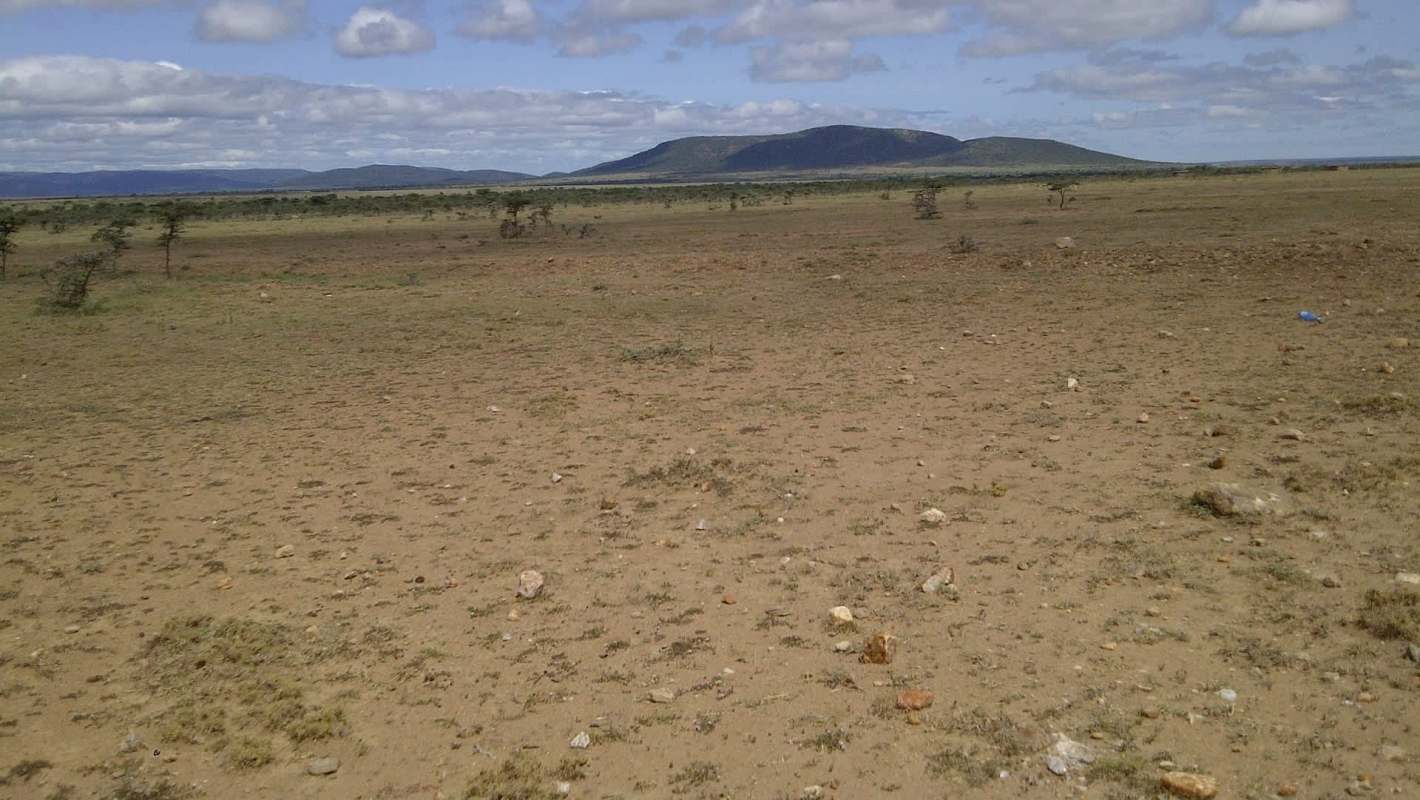
Kenya is facing its worst drought in 45 years, devastating livestock and pushing millions toward hunger.
What's happening?
Across Kenya, rain has been largely absent as heat has lingered for months. Pastures have withered, water sources have shrunk, and the animals many families depend on are dying.
The Star cited the National Drought Management Authority, which said rainfall between October and December was the lowest recorded since 1981 in parts of eastern Kenya.
For pastoral communities, livestock aren't just assets; they're food, income, and security. Now, many herds are declining.
As Reuters detailed, farmer Maria Katanga tried to keep her animals alive but still lost dozens of cattle and goats. Another herder reported losing more than 100 cattle and 300 goats. Even animals that survive are weak and underfed, producing little or no milk. Families lose nutrition and income at the same time, and prices have collapsed as desperate sellers flood the market.
"A cow that was being sold for 60,000 or 70,000 Kenyan shillings … is being sold for 5,000 shillings," said Emmanuel Loshipae, Katanga's stepson.
Local leaders say this dry spell feels different. "There have been droughts before … but this one is the worst," said administrator Lemaiyan Samuel Kureko.
Why is this important?
When rain doesn't arrive, losses pile up quickly. Grass disappears, animals weaken, crops fail, and families lose income. What starts as dry weather can quickly become a food and health crisis.
As the drought drags on, water becomes harder to find, food gets more expensive, and some families leave when local resources run out. With less to eat and fewer ways to earn income, the strain touches nearly everything.
Rising global temperatures are making droughts more frequent and more severe by disrupting long-standing weather patterns. Hotter air pulls moisture from soil faster, reducing crop yields and draining already limited water supplies. As land dries out, vegetation becomes more flammable, increasing wildfire risk and further damaging grazing areas.
TCD Picks » Upway Spotlight
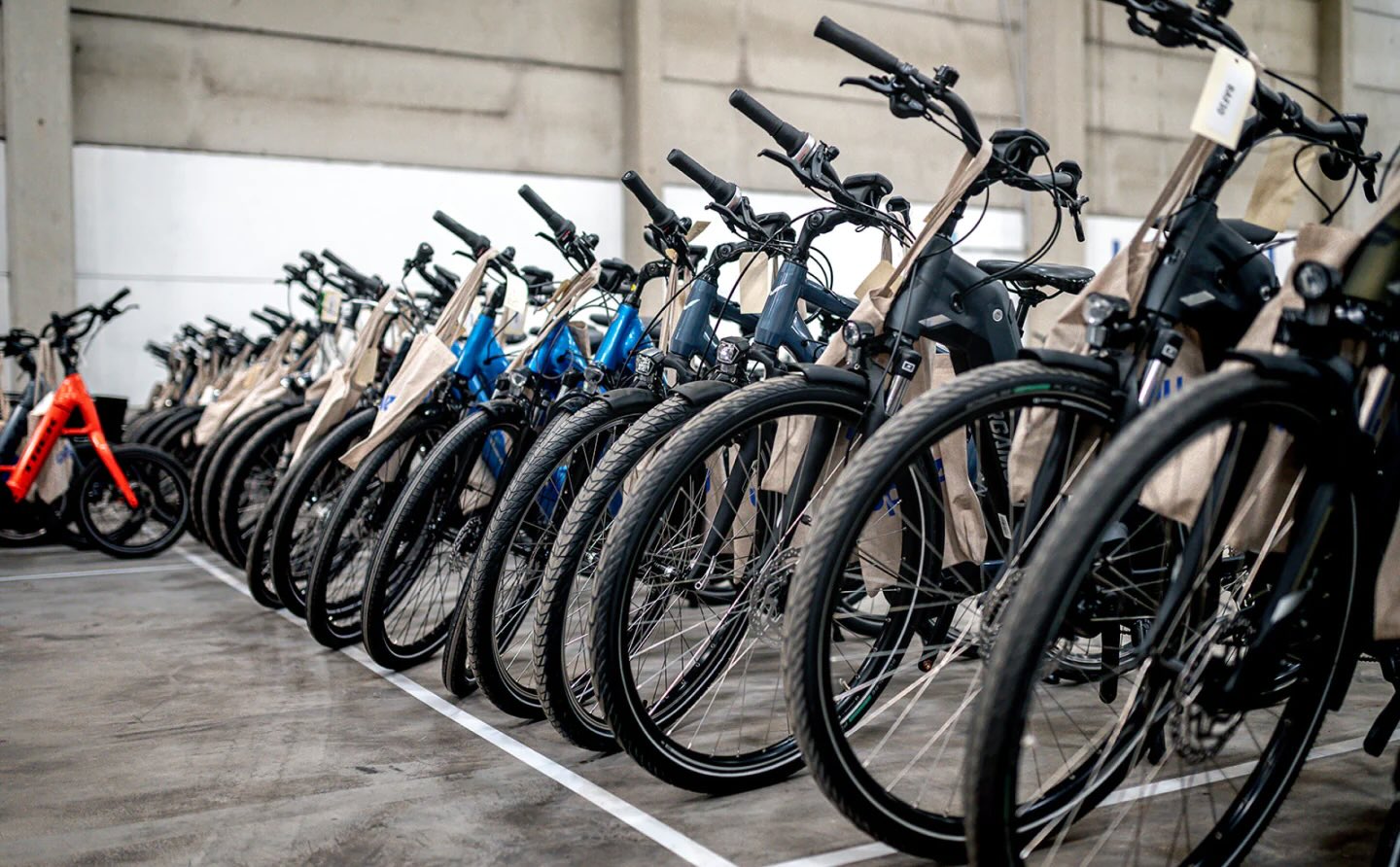
💡Upway makes it easy to find discounts of up to 60% on premium e-bike brands




|
What's the most you'd pay per month to put solar panels on your roof if there was no down payment?
Click your choice to see results and speak your mind. |
 $200 or more 💰
 These kinds of pressures aren't limited to one place. Somalia is also experiencing severe drought, while in Tamil Nadu, India, heat-related illnesses have surged.
What's being done about it?
Relief organizations are providing emergency food, nutrition support, and water to the hardest-hit areas by setting up food distribution points and trucking water to remote villages.
Governments and aid groups are also investing in prevention — improving water systems through boreholes, protecting livestock with feed programs, and expanding early warning programs.
For many people living through this drought, the crisis isn't theoretical. When the land stops producing, everything built around it — food, income, stability — begins to give way.

Get TCD's free newsletters for easy tips to save more, waste less, and make smarter choices — and earn up to $5,000 toward clean upgrades in TCD's exclusive Rewards Club.
Cool Picks






