


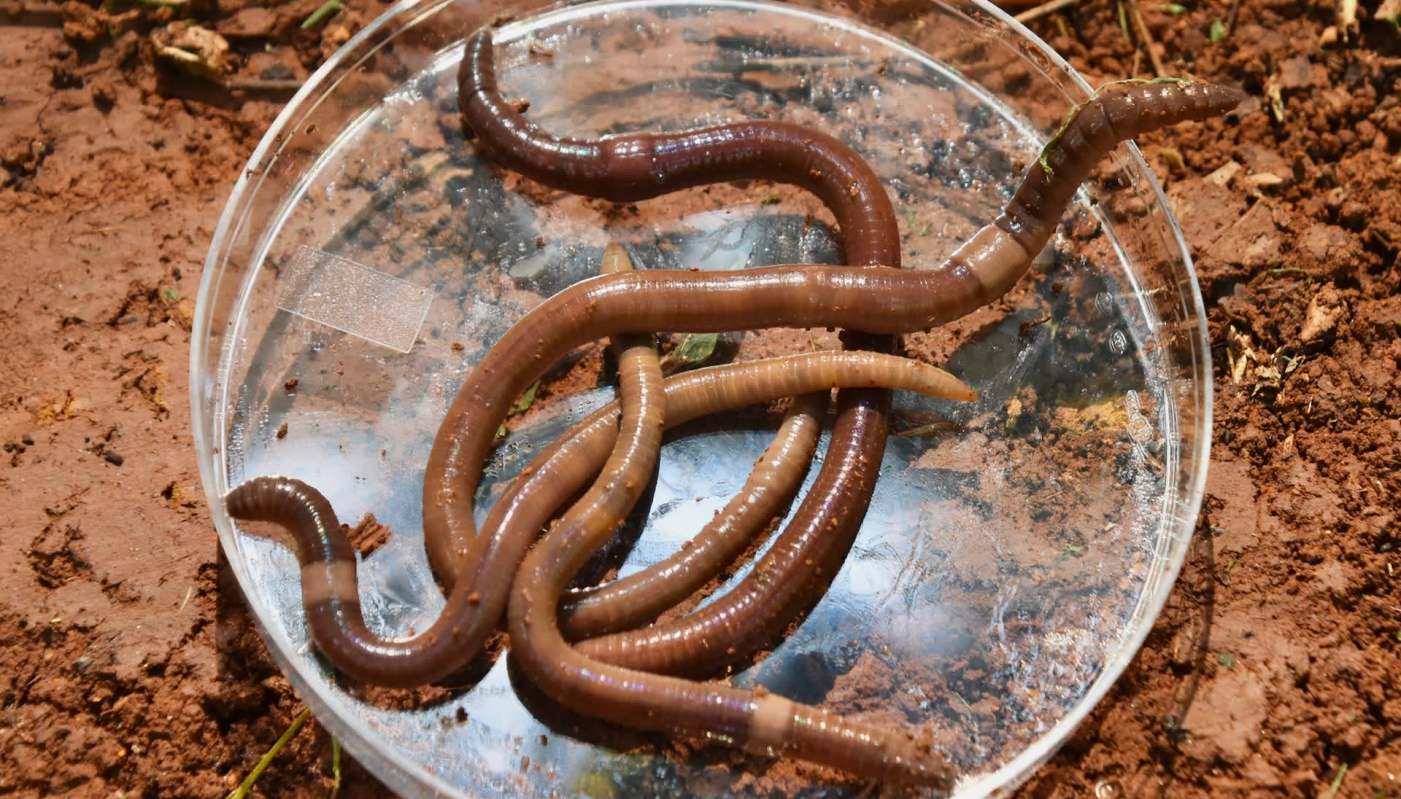
An invasive, snake-like worm is chewing through gardens and forest floors across the country — and once it gets established, experts say it is incredibly hard to remove.
Jumping worms have now been reported in nearly 40 states, and specialists say preventing their spread will be easier than trying to eliminate them after they arrive, Harvest Public Media reported.
Gardeners and homeowners from Texas to the Midwest and beyond have been reporting sightings of the destructive pests. Jumping worms can resemble common earthworms, but experts say one telltale sign is a thick, pale band near the head.
The worms are drawing heightened concern because of the damage they do to the top layer of soil, where many plants rely on organic matter to get established. Brad Herrick of the University of Wisconsin-Madison told Harvest Public Media that one major warning sign is soil that looks like coffee grounds and is very crumbly.
"If you see that, where you can just sort of wipe away the soil with your hand, that's a red flag," he said.
The pests also leave behind porous, sometimes water-resistant soil, and their tiny cocoons can remain hidden in dirt for years. That makes them especially difficult to eradicate once they make their way in.
TCD Picks » Quince Spotlight
💡These best-sellers from Quince deliver affordable, sustainable luxury for all




Scientists say jumping worms have likely been in the United States for a long time, but the species has only more recently become widely recognized as a serious threat.
For home gardeners, the damage can show up fast. According to Harvest Public Media, plants may yellow, come out of the ground with very little resistance, or falter as the worms quickly consume organic material in the topsoil. Annuals and shallow-rooted plants can be especially vulnerable.
Gardening can offer real benefits for families, from lowering grocery bills to producing fresher, better-tasting food, but when jumping worms wreck soil structure, they can make it much harder to maintain healthy vegetable beds and flower gardens.
Experts say jumping worms also remove leaf litter from forest floors more quickly than other earthworms, which can damage habitat for invertebrates and ground-nesting birds and make it tougher for seedlings and native plants to survive.
As biodiversity drops, entire forest-floor ecosystems can change.
For now, experts say prevention remains the best defense. Because cocoons can hitchhike in soil, gardeners are being urged to clean tools and tire treads and wash roots before sharing plants. Buying plants locally and asking where nursery stock came from can also help reduce the risk.
Fishers are warned not to use jumping worms as bait and never to dump leftover bait into water or wooded areas.
Researchers are also testing a handful of control options. According to Harvest Public Media, Herrick said that heat appears promising for killing cocoons: using steam, applying direct fire, or trapping heat under clear plastic early in the season can help reduce them.
"We need to be community-minded about this and ensure that we're doing the best to take care of the resources that we have for future generations," said Mary Spies, a gardening teacher in St. Louis.

Get TCD's free newsletters for easy tips, smart advice, and a chance to earn $5,000 toward home upgrades. To see more stories like this one, change your Google preferences here.







