


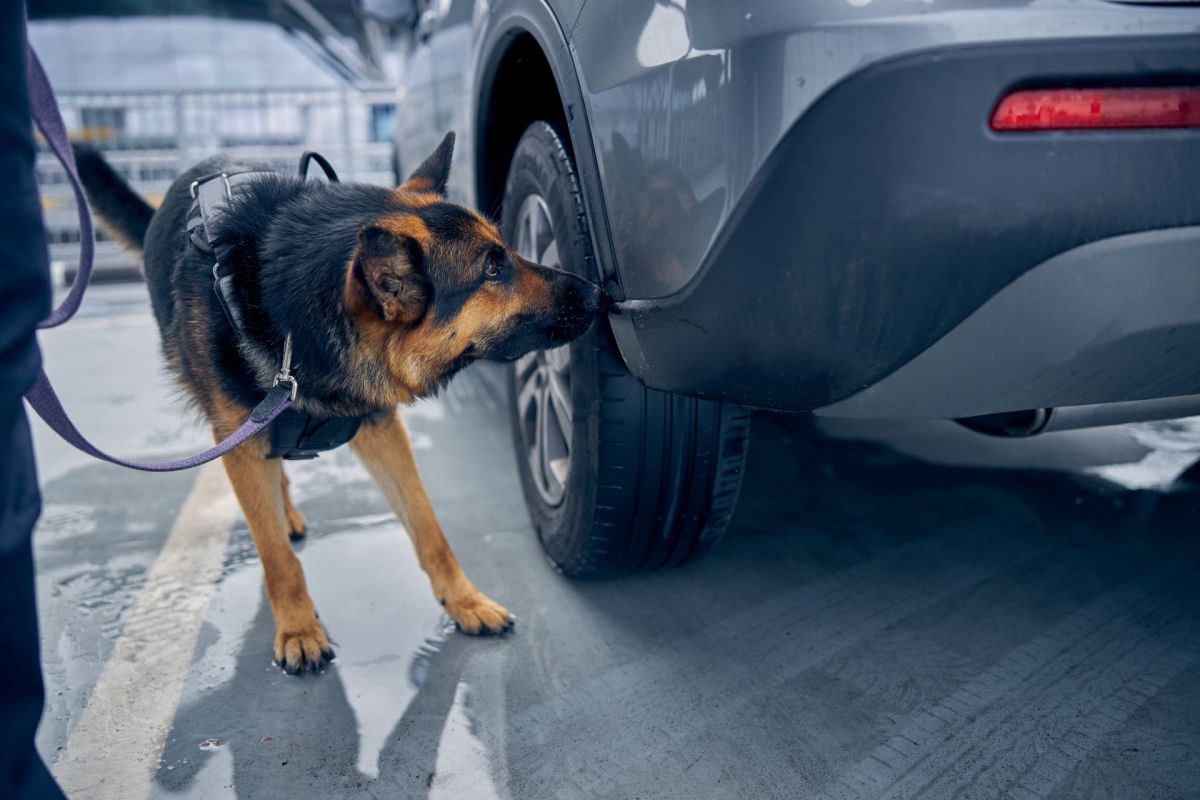
Officials in India were able to stop a major attempt at an ivory smuggling operation, seizing two elephant tusks they found in a vehicle.
What's happening?
The Dhemaji district police in the state of Assam, India, seized the elephant tusks, weighing just over 10 pounds, from a car in Jonai's Chiga village in India, according to a report from Northeast Now. The police partnered with the country's Wildlife Crime Control Bureau (WCCB) to pull off the operation.
A representative for the WCCB said in a statement, "Illegal ivory trade is often linked to organized crime and Assam remains vulnerable due to its proximity to international borders. Our goal is to dismantle these networks before they cause irreparable damage to wildlife."
One person was arrested in connection with the crime and was questioned about their connection to larger smuggling rings, according to the outlet.
Assam is home to 5,700 wild elephants, the second-largest population in India, per Northeast Now. But they're threatened by human activities like poaching, habitat loss and encroachment, and human-elephant conflicts across the country.
Why is ivory smuggling important?
Despite the ivory trade being banned over 20 years ago, the threat of poaching remains for elephants across Asia and Africa. According to the World Wildlife Fund, at least 20,000 African elephants are killed for their tusks annually, threatening the species' survival.
Animal trafficking and smuggling of animal products disrupts biodiversity not only at the point of origin but also at the destination. Wildlife can spread diseases and parasites that can displace native species and harm humans and pets, according to the United Nations Office on Drugs and Crime.
It also creates human conflict with threats of violence, law-breaking, and impacting local livelihoods when local biodiversity is threatened.
What's being done about ivory smuggling?
Authorities in Assam are encouraging the public to report any suspicious wildlife activity and reiterated their dedication to protecting the state's "natural heritage," as Northeast Now noted.
On a global scale, the WWF is working to expand ivory trade bans across the globe, as well as working to understand the reasoning behind the smuggling to try to "create a new social norm that buying illegal elephant ivory products is socially unacceptable."
TCD Picks » Quince Spotlight
💡These best-sellers from Quince deliver affordable, sustainable luxury for all




The keys to ensuring the safety of elephants and other trafficked species are to continue education and remain vigilant in reporting instances of smuggling.
|
How often do you worry about having your personal info stolen? Click your choice to see results and speak your mind. |
 Never 😌
Join our free newsletter for good news and useful tips, and don't miss this cool list of easy ways to help yourself while helping the planet.
Cool Picks






