


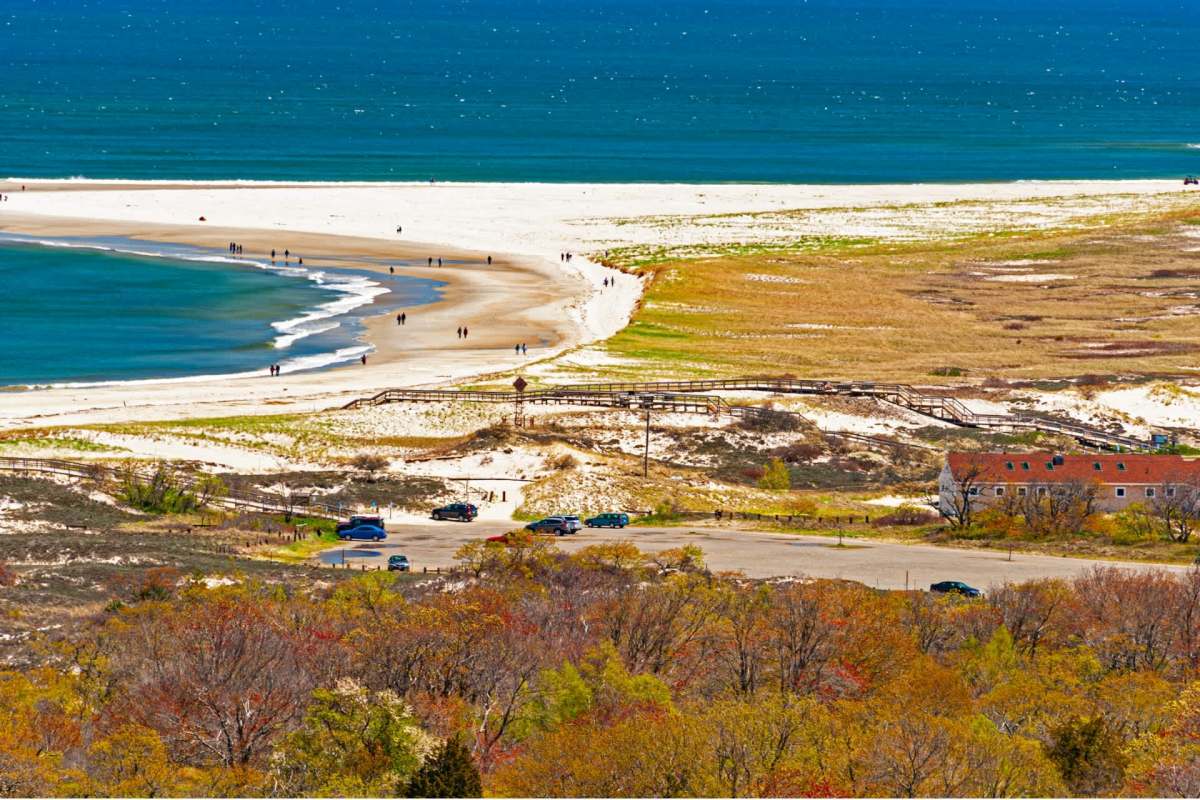
The town of Ipswich, Massachusetts, is racing against rising seas to lift roadways while flooding worsens nationwide.
What's happening?
As The Local News reported in early August, officials have plans to raise two roads — Argilla and Jeffreys Neck — which already flood multiple times each year. Together, the routes serve as critical access points for hundreds of homes and businesses as well as 350,000 visitors annually, according to the outlet.
Adaptation plans have been tailored to the individual needs of each site and involve elevating the roads two to three feet. Enlarging and adding culverts at Argilla could help support salt marsh restoration, and lining the roadside with plants should reduce erosion. Replacing the subbase of Jeffreys Neck Road with gravel is also intended to "improve its structural integrity," The Local News reported.
With sea level projected to rise 10 to 14 inches along the East Coast in the next 30 years, the hope is that these fixes will keep both roads usable until at least 2070. But some worry that sea level rise and flood threats may escalate even faster than projected.
"If sea level rise [is] what they say it is, we'll be having the same discussion 50 years from now," Frank Ventimiglia, who manages operations at the Ipswich Department of Public Works, told the outlet.
Why are resilient roads important?
These roads are vital to the function of this Massachusetts community, with one serving as the sole egress for hundreds of residents. Travel routes that are compromised by frequent flooding can slow emergency services, obstruct regular commutes, dissuade tourism, and require costly maintenance.
Extreme weather events have always existed, but scientists agree that human-caused pollution is supercharging them, making storms more destructive and flooding more frequent. The flooding in Ipswich isn't a one-off event — it's part of a damaging pattern of rising seas and strengthening surges threatening communities across the country.
What Ipswich is facing in terms of adaptation mirrors challenges in other coastal towns too. It may be difficult for efforts to protect residents and visitors to keep pace with the planet's overheating and the resulting sea level rise. Unfortunately, as water levels continue to increase, funding for defenses often falls short.
What's being done about road flooding?
The Jeffreys Neck Road project has secured funding from the Federal Emergency Management Agency that Ventimiglia expects will come through, but support for the Argilla Road project has been more precarious.
Mary Dettloff, director of public relations for The Trustees — a preservation and conservation nonprofit — told The Local News that the Massachusetts Department of Transportation's addition of Argilla to a funding list for future projects suggests it is being prioritized at the state level.
TCD Picks » Quince Spotlight
💡These best-sellers from Quince deliver affordable, sustainable luxury for all




|
Do you think your city has good air quality? Click your choice to see results and speak your mind. |
 Definitely 🥰
 But the fate of federal funding mechanisms to support similar projects across the country is unknown. And, as Dettloff told the outlet, "These large infrastructure projects are difficult to fund without federal funds to match our state and local investments."
Meanwhile, innovative approaches are helping coastal communities all over fight the threat of rising seas. Local groups are scaling up nature-based solutions like oyster reefs to shield coasts from storms. Cities are also experimenting with permeable pavement and natural barriers to absorb surges. And municipalities are determined to pull financing together despite federal defunding.
While many make household changes to reduce the heat-trapping pollution that warms the planet, melts glaciers, and drives sea levels higher, communities are also coming together to plan for resilience at the local level.
Together, neighbors can prepare for frequent flooding by staying alert to weather reports, communicating area flood risks, and learning about alternate routes and safe travel — such as knowing to never attempt driving through floodwaters. They can also champion investments in infrastructure projects that benefit from local voices.

Join our free newsletter for good news and useful tips, and don't miss this cool list of easy ways to help yourself while helping the planet.
Cool Picks




