


The state of Hawaiʻi has a long history of struggle with displaced species.
Its island ecosystem, isolated from the mainland, has a vibrant and unique array of native species, but this makes it fragile and vulnerable to invasive species, which can devastate the existing web of interconnected wildlife.
Representatives from the Hawaiʻi Department of Agriculture and Biosecurity, the state division in charge of repelling displaced species, spoke with Hawaiʻi Public Radio about the issue.
What's happening?
Hawaiʻi faces ongoing issues with invasive species, including the coconut rhinoceros beetle, the coqui frog, the Queensland longhorn beetle, and the little fire ant.
These pests come from all over the world, both from the mainland United States and from other countries.
"With the lack of resources, you know, invasive species and pests are a constant pressure to the state," plant quarantine manager Jonathan Ho told HPR.
However, according to Ho, the solution isn't as simple as just turning away or destroying every shipment of materials that might be infested.
"We import like 90% of our food," he said. "And you know, cost of living is very high. Treating or destroying or refusing everything that has anything on it, whether it's good, bad, negligible, creates these added costs that can get pushed down the line."
Instead, he called for the discretion to exercise judgment, especially when it comes to materials that have minor infestations of organisms that are already present in the state.
Why is the management of invasive species important?
On the other end of the spectrum, there are those who would simply like to completely ignore the issue of invasive species.
TCD Picks » Quince Spotlight
💡These best-sellers from Quince deliver affordable, sustainable luxury for all




|
Which of these savings plans for rooftop solar panels would be most appealing for you?
Click your choice to see results and earn rewards to spend on home upgrades. |
 Save $1,000 this year 💸
 However, left unchecked, these species don't just outcompete native plants and animals for resources and space. Certain varieties can also devastate crops and harm livestock, or damage other property. The wrong invasive species can have a serious negative impact on the economy.
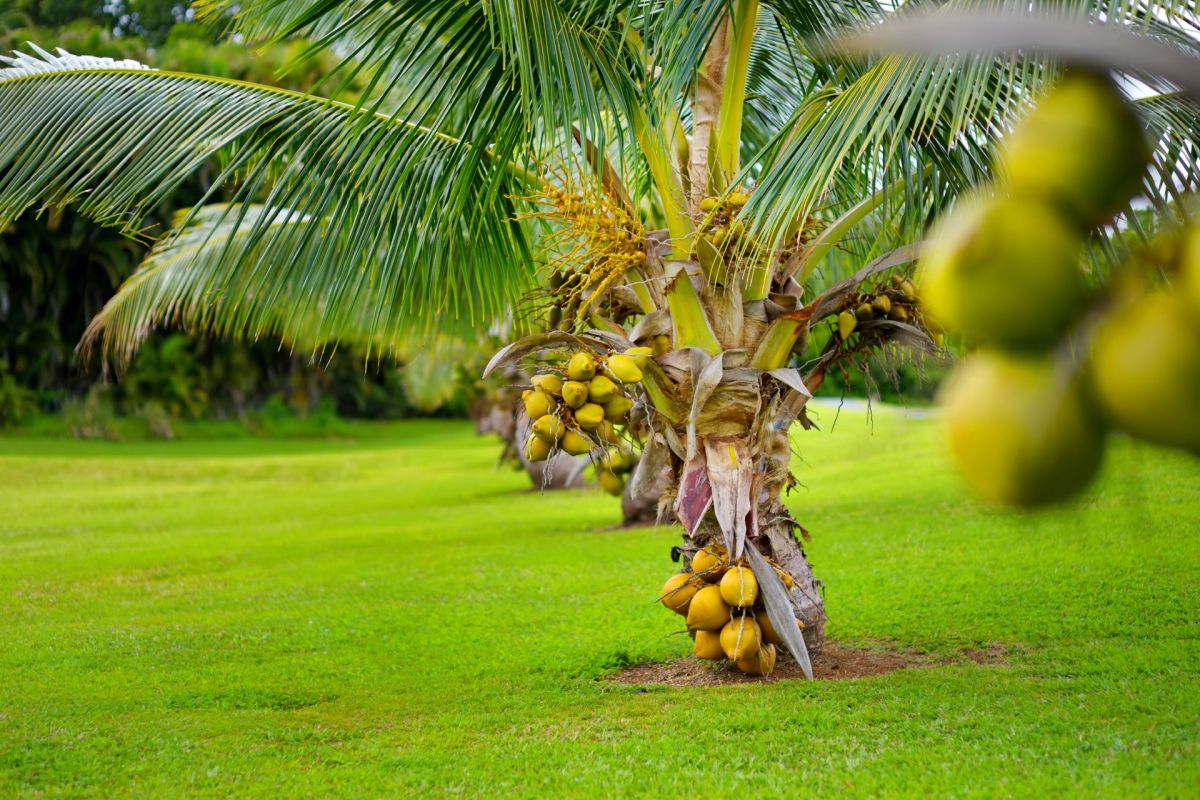
That is the case with the coconut rhinoceros beetle, which can harm coconut trees.
What's being done about displaced species in Hawai'i?
Unfortunately, Hawaiʻi's ability to regulate its borders is limited because federal law supersedes state law.
However, the Department of Agriculture and Biosecurity is making a valiant effort anyway, and it has also enlisted the help of local industries.
"If there's an outbreak of an invasive, we have our staff, and we have the Hawaiʻi Invasive Species Council and the local county invasive species, but that's maybe a total of 60 people we can deploy at any given moment," director and board chair Sharon Hurd told HPR.
"The [flower] industry, on the other hand, has about 600. … If there's an invasive that we've discovered, maybe a new one, they're going through training."
At home, dealing with displaced species can start by adding native plants to your garden, which can support creatures suited to the local ecosystem and make it more difficult for problematic species to take hold.

Get TCD's free newsletters for easy tips to save more, waste less, and make smarter choices — and earn up to $5,000 toward clean upgrades in TCD's exclusive Rewards Club.
Cool Picks




