


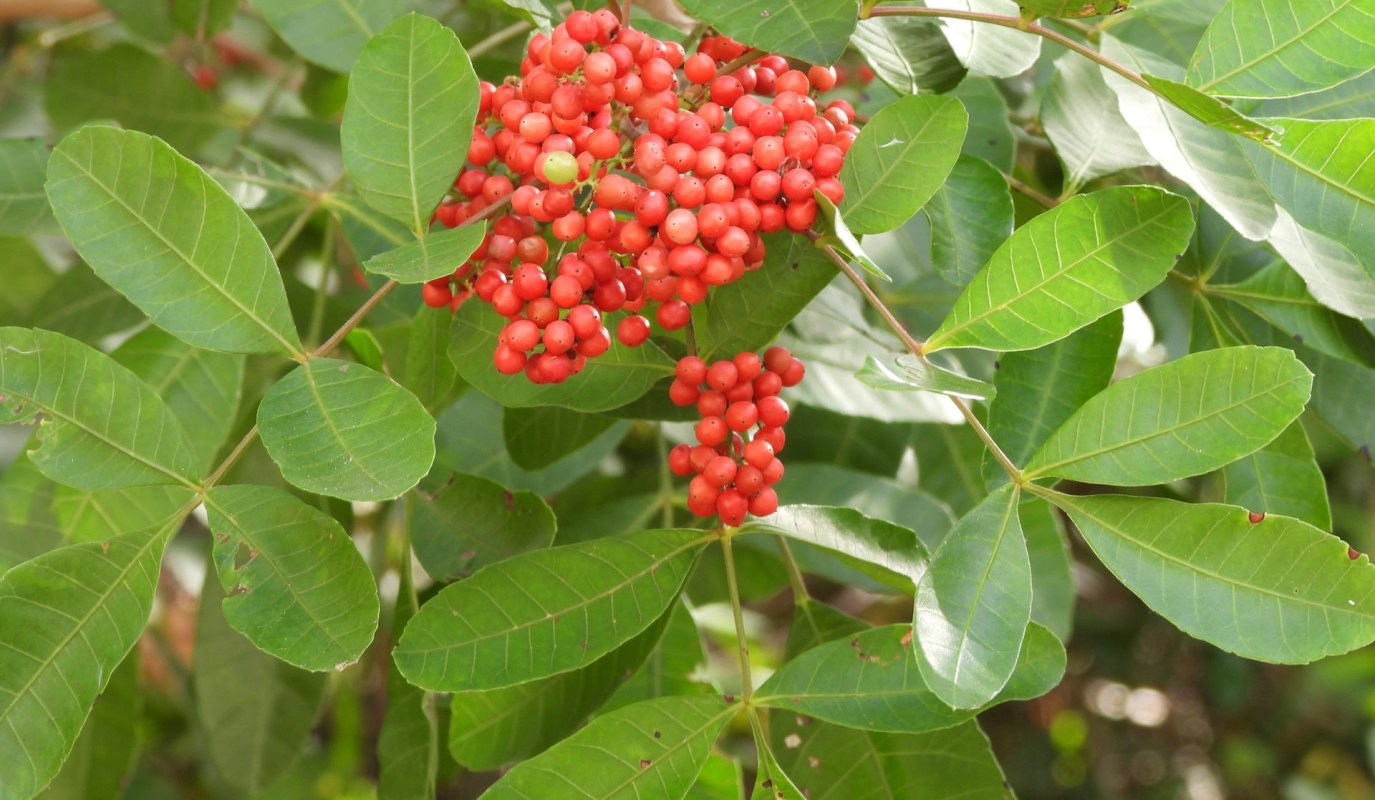
Identifying and raising public awareness about invasive plants is one of the most effective ways to conserve and protect natural areas.
Gardening expert Eileen Ward (aka The Wicked Gardener) wrote an article for the Marco Eagle about the invasive species threatening habitats on Marco Island, Florida.
In her article, Ward described three severely damaging plants in her local area: air potato, Brazilian pepper, and Australian pine. She also pointed out local properties that could be set aside as parks to support wildlife.
"It is the responsibility of those who are aware of the problems caused by invasive non-native plants to educate others about their impact and control to prevent further ecological damage of natural ecosystems," Ward wrote.
Additionally, she emphasized the benefits of integrated pest management, manual removal of invasive plants, and the use of environmentally friendly herbicides.
"You must manage natural areas to control these invasive species and minimize damage to native vegetation and soil," Ward wrote. "It takes time and caution to clear these natural areas of invasive species.
"Current methods being used to manage these non-native plants include manual removal, mechanical removal, physical controls, herbicides and biological control. Each control can be used independently or in combination with one another."
It takes a read of her full article to properly convey the tips, but among other highlights, Ward wrote that "seedlings should be repeatedly pulled from the ground as tenacious roots continue to sprout" and that "reestablishment of natural plant species by planting native plants in areas of nonnative species removal can be an effective, though expensive, way to reduce the re-invasion of exotic species."
The gardener's perspective and suggestions are helpful because they are relevant not only to Marco Island but also to communities worldwide.
Invasive plants pose challenges to natural habitats, and they are time-consuming and costly headaches for homeowners and park managers.
TCD Picks » Quince Spotlight
💡These best-sellers from Quince deliver affordable, sustainable luxury for all




|
What is the biggest reason you don't grow food at home? Click your choice to see results and speak your mind. |
 Not enough time ⏳
 In other places, officials have been devising innovative strategies to combat invasive species and eradicate stubborn plants that have taken over the land.
Wherever you live, you can help prevent the spread of invasive plants by learning about the ones that affect your local area. Expert insights from gardeners like Ward can help you control weeds without chemicals and grow a natural lawn that supports pollinators and native plants.
Whether you overhaul your current landscaping or update just a small portion of your garden, rewilding your yard will save you time and money on maintenance while curbing the spread of invasive species.
In a LinkedIn post, the Invasive Species Centre shared tips for preventing invasive plants in your garden, such as avoiding "wildflower mixes" and making sure to regularly inspect your property.
"As the population around America increases, it has become necessary to set aside natural areas to preserve native plant and animal communities," Ward reminded readers in her article.

Join our free newsletter for good news and useful tips, and don't miss this cool list of easy ways to help yourself while helping the planet.
Cool Picks






