


Sweden is taking a bigger step to protect local ecosystems, and for gardeners, hikers, and homeowners, that could mean healthier landscapes in the years ahead.
According to the Sweden Herald, as of May 15, 2026, the country has tightened its rules around invasive plants, making it illegal to import, sell, exchange, grow, transport, or release a broader group of species considered harmful to biodiversity.
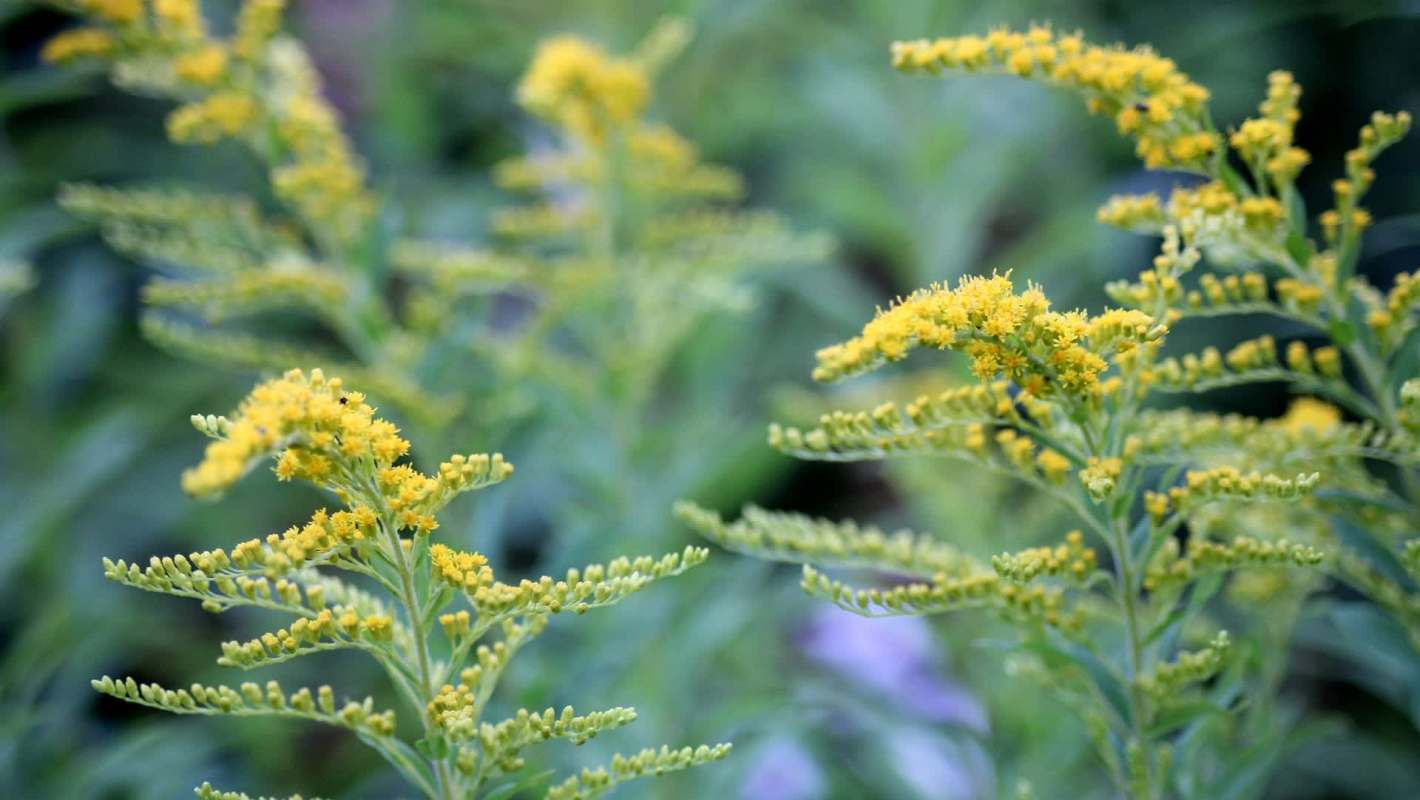
A Reddit post about the news sparked major discussion in the r/gardening community, with the list including several familiar ornamentals and fast-spreading problem plants, including lupines, rugosa rose, Canadian and giant goldenrod, and stonecrops.
The updated policy also places responsibility on property owners to prevent these plants from spreading.
The banned plants cannot be dumped in nature or added to compost piles. Instead, they have to be wrapped securely and thrown out with combustible waste at specific facilities, according to the Herald.
This is just one example of countries moving earlier and more decisively to stop invasive species before they can cause even more damage.
TCD Picks » Quince Spotlight
💡These best-sellers from Quince deliver affordable, sustainable luxury for all




Invasive plants can quickly crowd out native flowers and grasses, making it harder for pollinators, birds, and other wildlife to find food and habitat.
They can also drive up costs for communities forced to manage parks, roadsides, waterways, and other public spaces once these species take hold.
Some are especially notorious because they can be extremely difficult, and expensive, to remove. Stronger prevention now could save a great deal of money, labor, and frustration later.
It can also help preserve the kind of biodiverse, resilient landscapes that support cleaner water, healthier soils, and thriving pollinator populations.
Choosing region-appropriate, native plants can reduce maintenance while helping local ecosystems flourish.
Some gardeners in the comments under the Reddit post are attached to these plants, while others pointed out that a species considered invasive in one country may be native — or relatively well-behaved — somewhere else.
One commenter wrote, "Lupine is native to our area. Wish I could get more to grow."
Another added, "Canadian here, sorry that our Goldenrod is invasive! It's a real nice plant here, very much a meadow lover that brings nice colour."
Some commenters pointed to ideas that could make that transition easier.
One Reddit user from Finland described a program with a community-minded twist: "We have made a phone app game called Crowdsorsa. Users get paid money by municipalities to rip out invasive plants. Best users made like 3000 euros weeding as a summer job."
For people who have dealt with the worst offenders firsthand, Sweden's tougher stance felt overdue.
One individual added, "Japanese knotweed is the [worst]. Ugly and extremely hard to get rid of once it takes hold."

Get TCD's free newsletters for easy tips, smart advice, and a chance to earn $5,000 toward home upgrades. To see more stories like this one, change your Google preferences here.







