


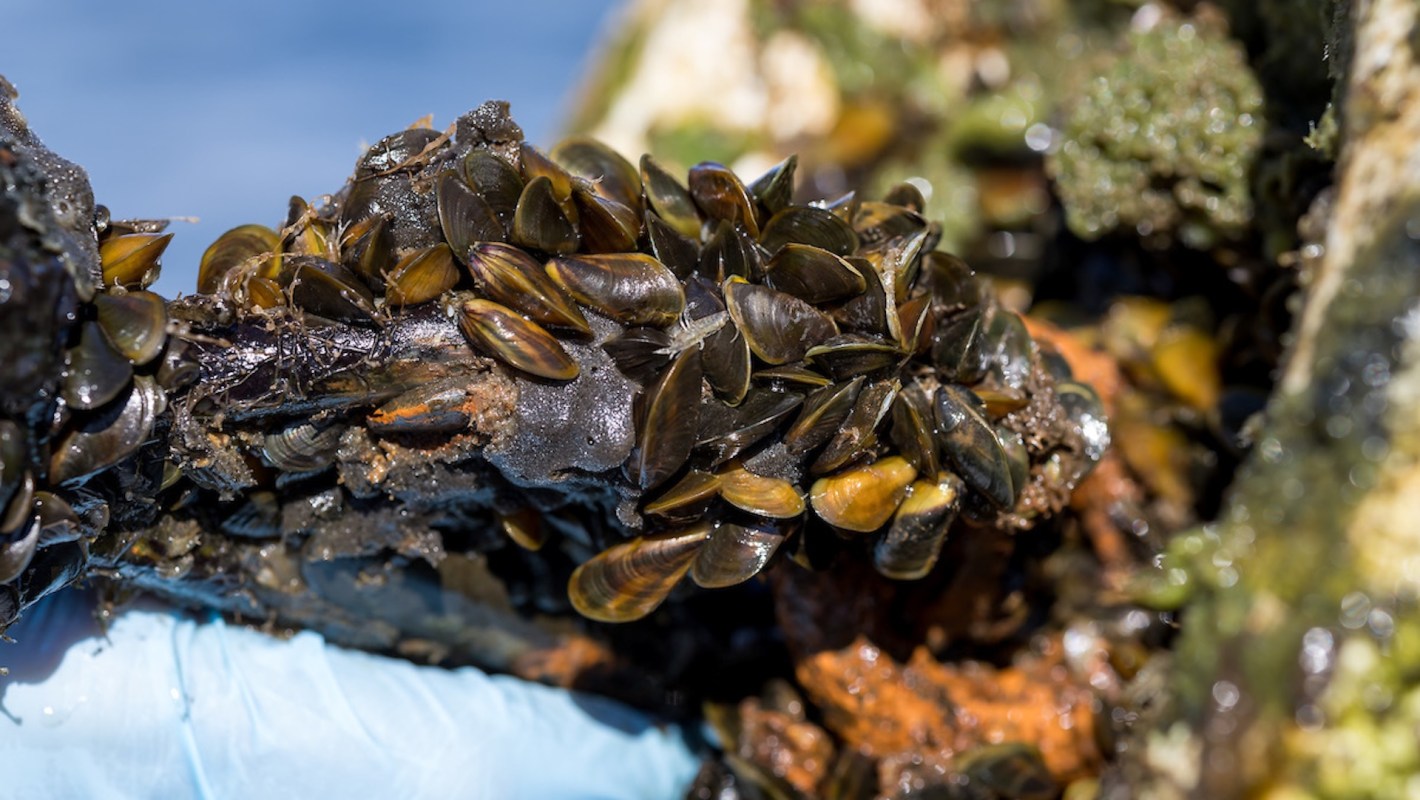
California officials are sounding the alarm over a small invader with outsized consequences. Golden mussels are spreading rapidly across the state — and clogging critical water infrastructure along the way.
ABC News reported that the problem has escalated enough that San Joaquin County approved an emergency declaration last week in a unanimous vote. Supervisor Paul Canepa said the situation was "out of control."
For communities with already strained water systems, fisheries, and public budgets, the outbreak is another costly setback.
According to the California Department of Water Resources, crews first found golden mussels during routine operations at the Port of Stockton in October 2024. This was the first recorded sighting of the species in the United States. Officials believe the species, which is native to China and Southeast Asia, likely arrived on a vessel.
ABC News reported that the mussels have moved into the Bay Area and down toward Los Angeles and San Diego. Their rapid expansion is especially alarming because these mussels do not just appear — they proliferate in dense colonies and quickly overwhelm the places they invade.
State officials say the species is already threatening the ecological health of the Sacramento-San Joaquin Delta. The mussels are highly efficient filter feeders, which creates a cascading problem. They consume material moving through the water, alter food webs, and can trigger algal blooms that deplete oxygen and leave fish struggling to survive.
TCD Picks » Quince Spotlight
💡These best-sellers from Quince deliver affordable, sustainable luxury for all




Golden mussels are particularly difficult to manage because they multiply fast, have no natural predators in these ecosystems, and can handle varying water conditions. Officials are using multiple treatments and testing others to stop their spread.
The problem has gotten so bad that the U.S. Bureau of Reclamation is offering large cash prizes for winning proposals to stop invasive mussels from spreading across waterways.
The infrastructure impacts are also mounting. The CDWR said mussel buildup has clogged intake pipes used by cities and industry, forcing costly removal work. Hilary Crowley, a legislative officer for San Joaquin County, said that a $100 million floodgate finished in 2024 is already clogged and will need to be cleaned, according to ABC News.
That means taxpayers and ratepayers could foot the bill for damage caused by this displaced species, which also threatens native and game fish, public water delivery, and the broader ecosystems people depend on for food, jobs, and recreation.
Invasive species have caused major ecological and economic damage to waterways around the world, and once established, they can be extremely difficult to remove. Golden mussels appear to be following that pattern, raising concerns not only about immediate infrastructure costs but also about long-term harm to ecosystems already under pressure.

Get TCD's free newsletters for easy tips, smart advice, and a chance to earn $5,000 toward home upgrades. To see more stories like this one, change your Google preferences here.







