


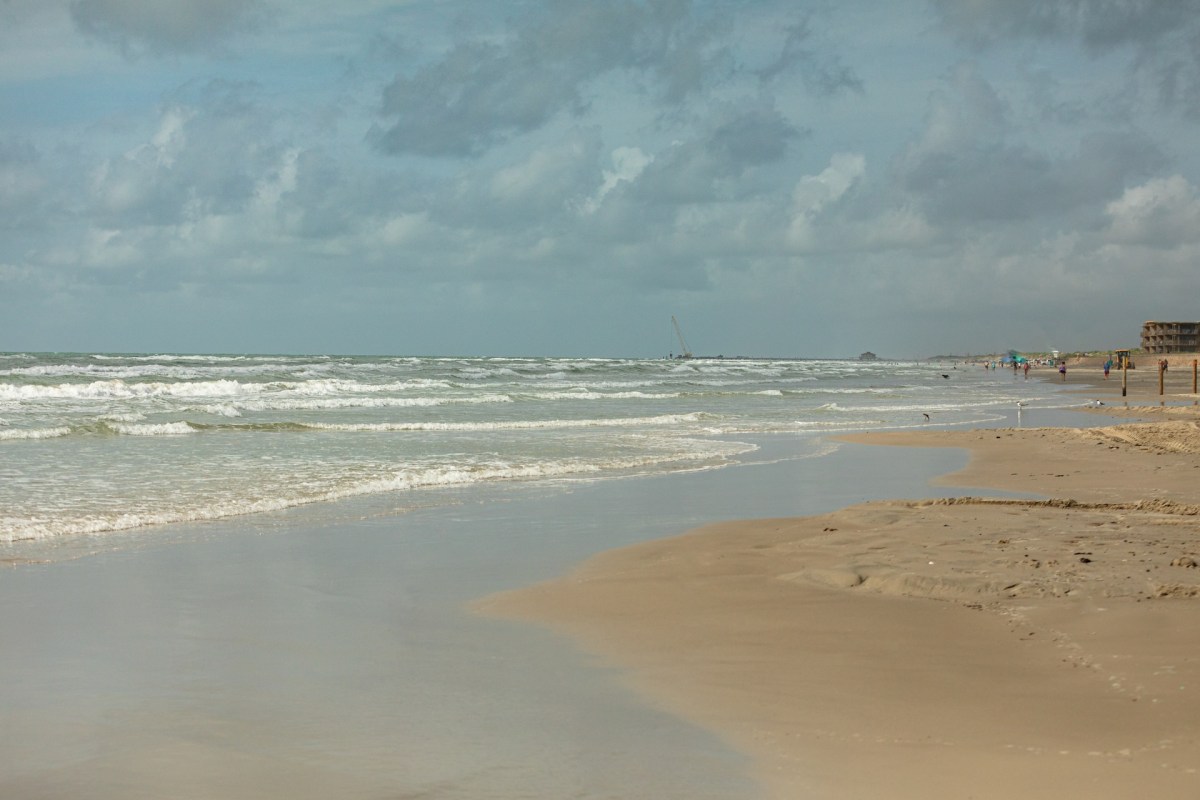
On Texas beaches, experts are concerned after increased sightings of an invasive marine creature washed up on the shore.
What's happening?
Beachgoers in Texas are seeing increasing numbers of invasive jellyfish lying on the sand, according to My San Antonio.
The Australian white-spotted jellyfish have a large, bell-shaped head covered in small, white spots and frilly legs. They're quite large, with an average diameter of 20 inches.
Native to Australia and its surrounding waters, the jellyfish likely hitched a ride through ships' ballast water.
Ships take in water in the ballast tanks or empty cargo holds in order to maintain stability. This water, drawn directly from the open ocean or harbors and docks, can contain bacteria, plankton, eggs, and all sorts of organisms.
Ballast water is a common way for invasive marine species to spread. For example, an invasive seaweed spread throughout Spain and Sicily after being introduced through ballast water.
While gorgeous, these jellyfish are a long way from home.
"They are beautiful, but don't belong here," Jace Tunnell, community engagement editor at the Harte Research Institute at Texas A&M-Corpus Christi, told My San Antonio.
Why is the species' presence concerning?
Invasive species can wreak havoc on their new environment. Invasive plants and animals outcompete other species for resources and reduce biodiversity.
Along with habitat loss, invasive species are one of the leading drivers of extinction. This jellyfish specifically puts plankton-eating marine life, like shrimp, at risk.
TCD Picks » Quince Spotlight
💡These best-sellers from Quince deliver affordable, sustainable luxury for all




|
How concerned are you about the plastic waste in our oceans? Click your choice to see results and speak your mind. |
 Extremely 😫
 The Australian white-spotted jellyfish's venom isn't strong enough to kill prey, so they mainly feast on plankton. However, their ravenous appetite for zooplankton poses a significant threat to local species, which are now experiencing tougher competition and food shortages.
What's being done to remove the jellyfish?
Removing the jellyfish will be difficult, but not impossible. Because invasive species reproduce so rapidly, the faster the jellyfish are removed, the better. Researchers are noting where the jellyfish are washing ashore to track their spread.
The best way to handle invasive species is to prevent them from becoming invasive in the first place. For ships, this means better ballast water management, like flushing water in the open ocean far from shore. Better safe than sorry.

Get TCD's free newsletters for easy tips to save more, waste less, and make smarter choices — and earn up to $5,000 toward clean upgrades in TCD's exclusive Rewards Club.
Cool Picks






