


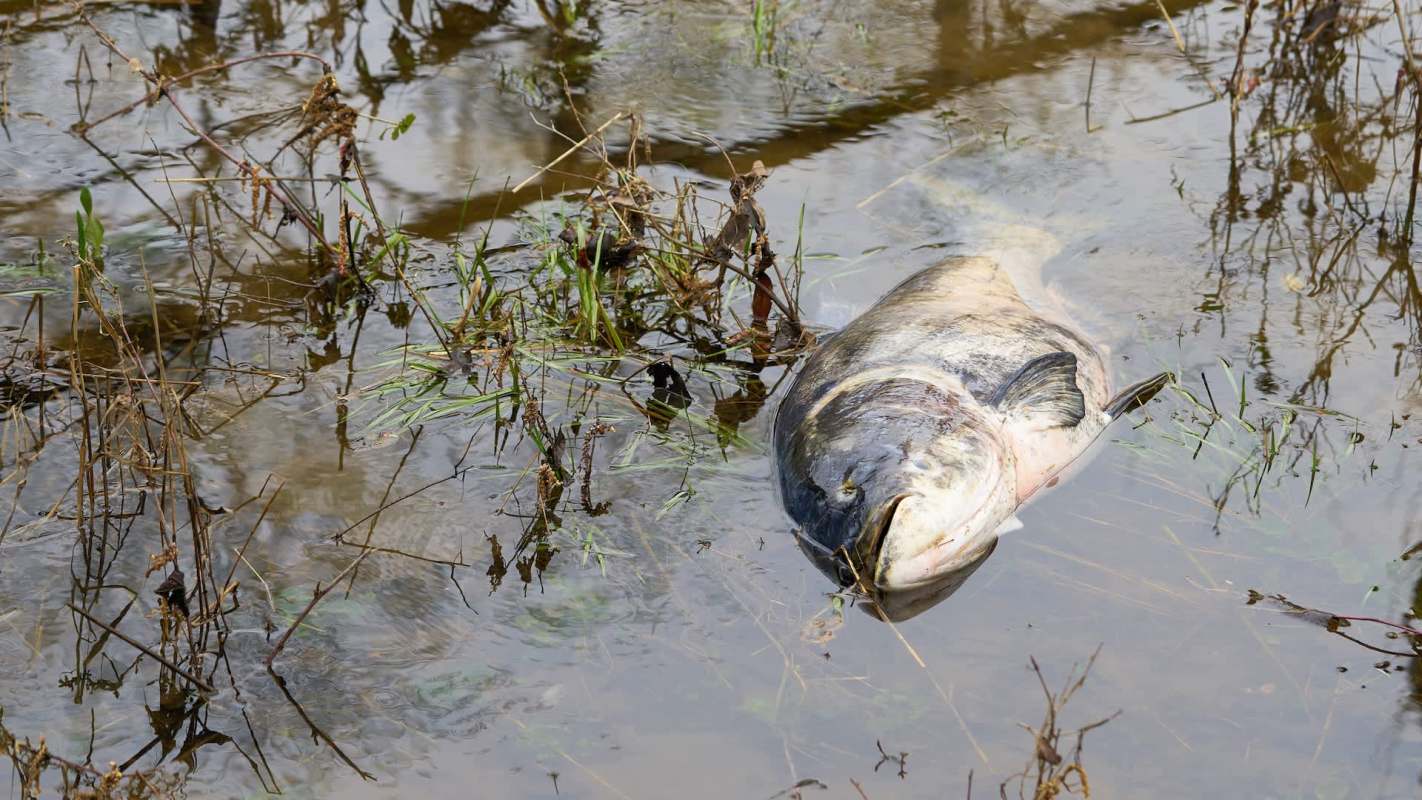
A disturbing buildup of dead invasive carp has lined the shoreline of the Mississippi River at Riverside Landing Park in St. Charles County, Missouri.
While fish die-offs can signal trouble, state conservation officials told Fox 2 St. Louis this one may bring some ecological relief for native species and for people who use the river.
What happened?
Visitors to Riverside Landing Park reported seeing numerous dead carp both in the river and along the bank, prompting concerns about what had caused the deaths and whether it was safe to be nearby.
James Bushdiecker told Fox 2 St. Louis that he encountered the scene while out with his dog after noticing the problem before.
"Well, this is as bad as I've seen it," Bushdiecker said. "I noticed it a week ago and today when I was out here with the dog, it really looked bad, and I wanted to know if it was safe."
Dan Zarlenga, a spokesperson for the Missouri Department of Conservation, said warm temperatures and lower water levels appear to be driving the die-off.
TCD Picks » Quince Spotlight
💡These best-sellers from Quince deliver affordable, sustainable luxury for all




"The heat warms up the water, and the water is lower, and there's less oxygen than cooler (water)," Zarlenga explained, per Fox 2 St. Louis. "There are less oxygen and less water. These invasive carp tend to school together in shallow waters and have very little oxygen."
He said about 90% of the dead fish were silver and bighead carp. Considering the species of fish coming up, locals weren't shedding tears.
"They're the ones that jump out of the water and get people," Bushdiecker noted. "So, I'm not sad to see them go, there's just a ton of them."
Why does it matter?
Like many invasive species, these carp compete with native fish for food and habitat, making it harder for local ecosystems to stay balanced over time.
They also affect people directly. Jumping silver carp have injured boaters and made time on the water more dangerous and stressful. Hot conditions and low-oxygen water can quickly reshape river ecosystems.
In this case, it seems like the situation is playing out in a positive way for the waterways. Zarlenga suggested to Fox 2 St. Louis that the native fish are better equipped to deal with the water conditions than the invasive carp.
"This isn't a bad thing actually," he said. "Our native species have lived in these waters for generations."
What's being done?
The sight will initially be unnerving to most locals, but if the fallout is less of the jumping fish and a more successful prognosis for native fish, that is a win for the local ecosystem.
Zarlenga told Fox 2 St. Louis that birds and other wildlife will eat the dead carp as they drift downstream and collect along the shore.

Get TCD's free newsletters for easy tips, smart advice, and a chance to earn $5,000 toward home upgrades. To see more stories like this one, change your Google preferences here.







