


A retired naval flight officer has found a new mission, and this one's underwater.
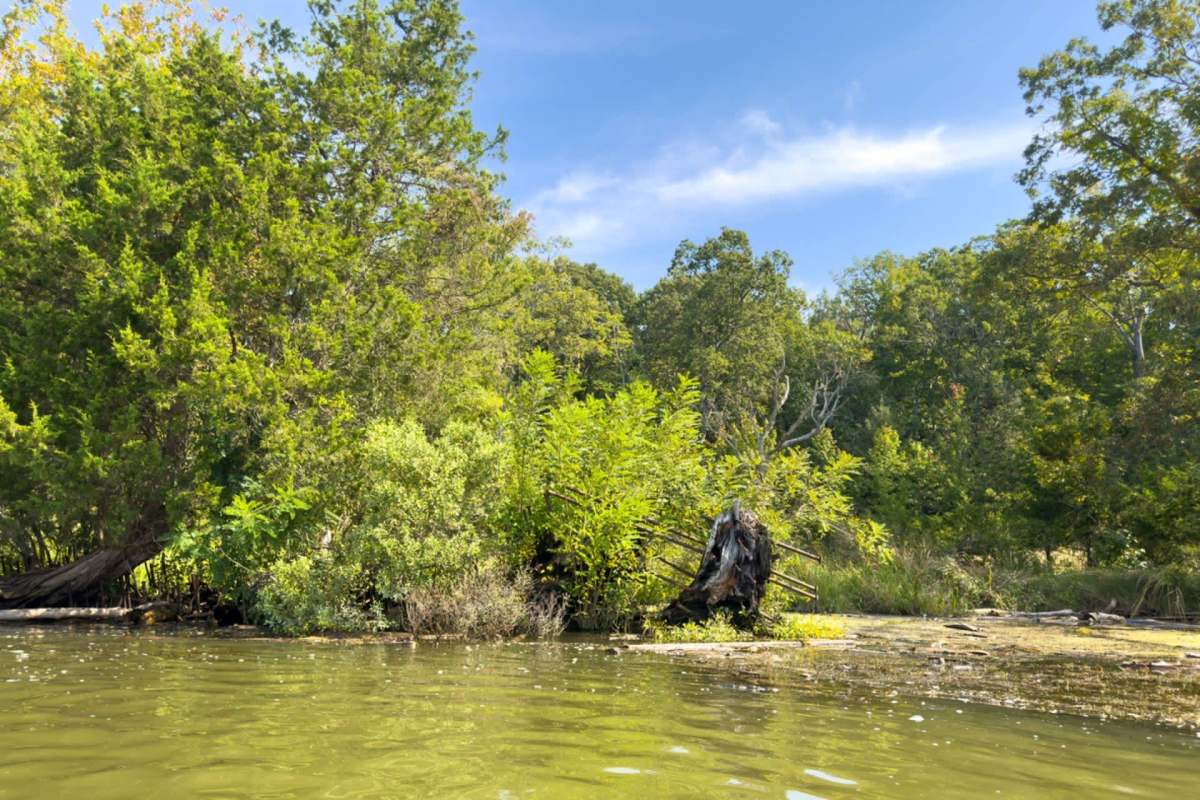
Kevin "K.C." Stangl spends his mornings and evenings along Maryland's Choptank River reeling in hundreds of invasive blue catfish, a species threatening the Chesapeake Bay's delicate ecosystem, according to the Bay Journal.
Blue catfish, native to the Mississippi and Missouri river basins, were introduced to the Chesapeake decades ago and have since multiplied by the millions. With few natural predators, they feast on blue crabs, rockfish, and other native species.
Stangl's self-assigned mission to catch 1,000 blue catfish this year is part of a growing movement among local anglers. Last year, a local fishing club removed more than 800 invasive fish during its first-ever competition targeting blue catfish and snakeheads.
"It's not a matter of having it in for them. The damage these guys are doing was enough reason for me," he told Bay Journal.
Biologists say every fish caught makes a difference.
TCD Picks » Quince Spotlight
💡These best-sellers from Quince deliver affordable, sustainable luxury for all




"A big problem with invasive species is they often lack predators," said Salisbury University biologist Noah Bressman. "By having more anglers go after these catfish, we are creating predators. With people going out fishing over time, we can keep that population in check."
Invasive species like the blue catfish don't just harm native fish. They threaten entire ecosystems and local economies.
The Chesapeake Bay supports thousands of jobs in fishing and tourism, and its native wildlife plays a vital role in filtering water and maintaining the food chain. When non-native species take over, they devour young fish, destroy vegetation, and reduce biodiversity.
Other regions have faced similar threats. In Michigan, anglers have launched a "war" against invasive koi that endanger native populations, while in Texas, fishing groups are targeting the suckermouth armored catfish.
|
What is your least favorite lawn chore? Click your choice to see results and speak your mind. |
 Mowing the grass 🌱
 The same principles apply on land. Invasive plants like English ivy and kudzu choke out native vegetation, deplete soil nutrients, and drive up yard maintenance costs for homeowners.
Many U.S. cities are now funding native landscaping projects to replace harmful species and conserve water.
Whether it's removing invasive fish or rewilding your yard, protecting local ecosystems starts with the choices we make and the small actions we take.

💰Get TCD's free newsletters for easy tips to save more, waste less, and make smarter choices — and earn up to $5,000 toward clean upgrades in TCD's exclusive Rewards Club.







