


Illegal wildlife traffickers have been caught red-handed again. The situation highlights how underground wildlife trade is a threat to biodiversity, public health, and progress toward a safer, more sustainable future for us all.
What's happening?
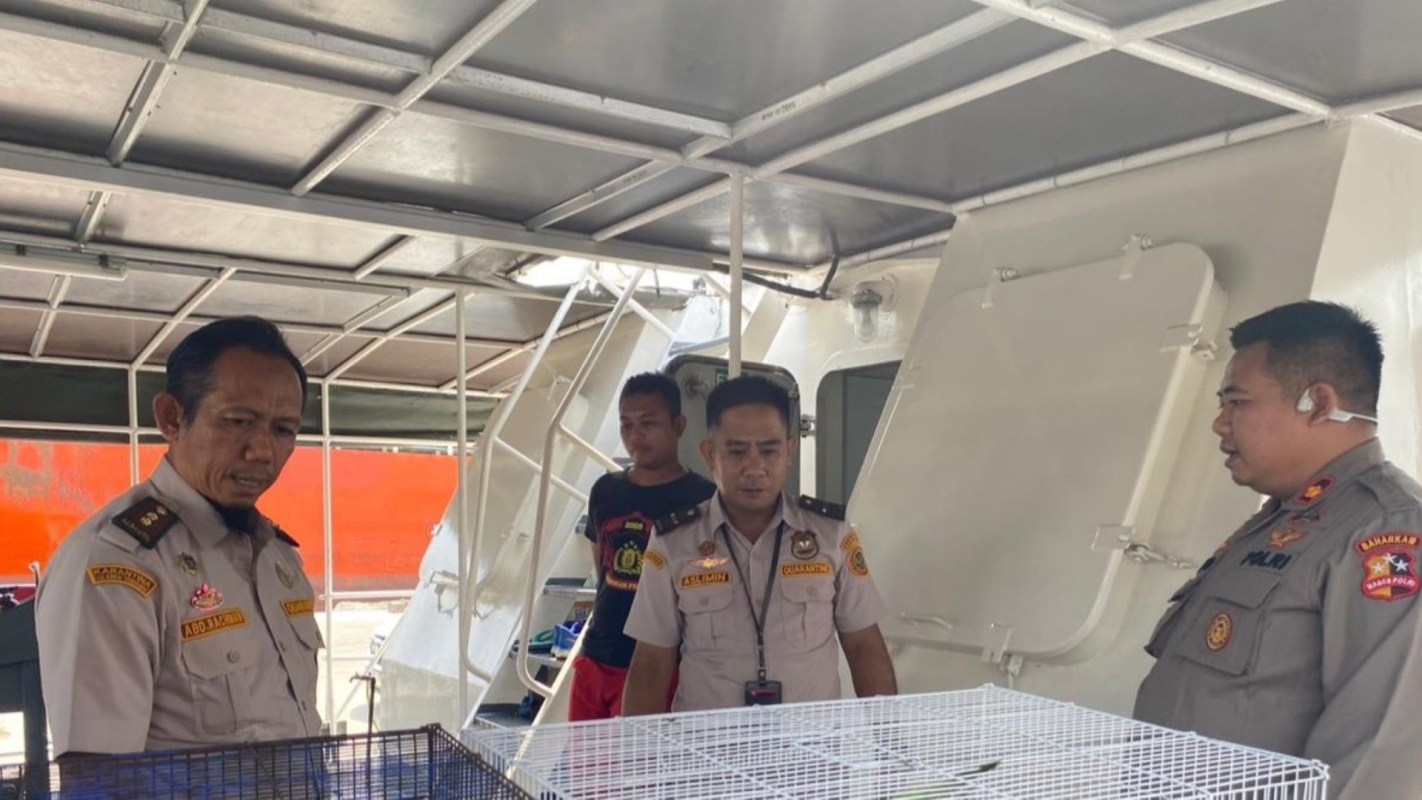
During a routine maritime patrol near Kendari Port, quarantine officials and Indonesia's Water and Air Police stopped a shipment of live birds being transported without permits or health documentation, reported Radio Republik Indonesia.
Officials recovered 193 birds — including 182 protected species such as Sulawesi crows and yellow-and-green lorikeets — along with ornate lorikeets and a Sulawesi koel. The discovery was grim: 10 birds were already dead, and five others were in critical condition due to being transported in cramped, unsafe conditions.
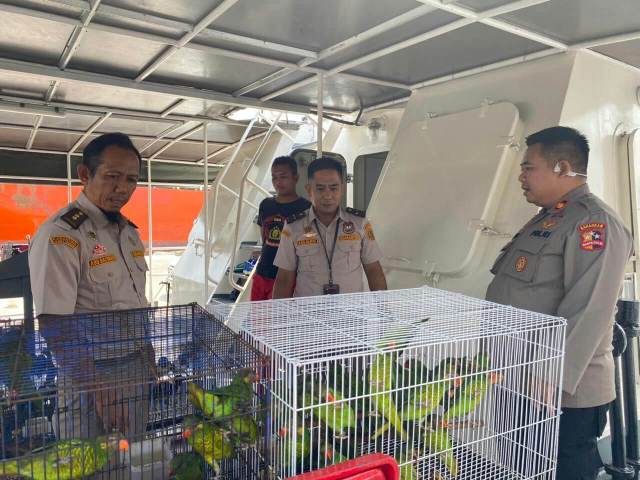
Authorities said the birds were headed for Surabaya. Those responsible now face charges under Indonesia's quarantine laws.
"The criminal penalties are substantial, carrying a maximum prison sentence of two years and a fine of up to 2 billion Indian rupes (approximately $120,000)," explained Abdul Rachman, the head of the quarantine enforcement team.
Why is wildlife smuggling concerning?
Wildlife trafficking doesn't just harm animals — it destabilizes entire ecosystems and food webs. Plus, removing endemic birds from their habitat can negatively impact seed dispersal and forest regeneration, which has ripple effects for other species that rely on the ecosystem — including humans.
The loss of balance can make areas more vulnerable to flooding, erosion, and extreme weather. Communities also lose natural resources, ecotourism opportunities dry up, and public health risks increase when animals are moved illegally across regions.
Experts have warned that smuggling birds can spread dangerous diseases, such as avian influenza, putting both wildlife and nearby communities at risk. Invasive species and pathogens introduced through smuggling can be devastating, undoing years of conservation work.
Cases like this echo other troubling incidents involving wildlife exploitation, from illegal exotic pet trades to endangered animals being trafficked across borders — all part of a global black market that's notoriously hard to police.
What's being done about wildlife trafficking?
The surviving birds are being checked to ensure they're disease-free before being transferred for release back into the wild. Officials around the world are also strengthening enforcement and interagency cooperation to prevent similar attempts.
TCD Picks » Upway Spotlight
💡Upway makes it easy to find discounts of up to 60% on premium e-bike brands





|
What's the most you'd pay per month to put solar panels on your roof if there was no down payment?
Click your choice to see results and speak your mind. |
 $200 or more 💰
 On a broader level, experts say enforcement alone isn't enough. It's important to prevent smuggling from happening in the first place. Supporting conservation programs and reducing demand for exotic animals are critical pieces of the puzzle.
For everyday people, that means avoiding wildlife products, reporting any suspicious activity, and supporting organizations that are working to protect biodiversity.

Get TCD's free newsletters for easy tips to save more, waste less, and make smarter choices — and earn up to $5,000 toward clean upgrades in TCD's exclusive Rewards Club.
Cool Picks






