


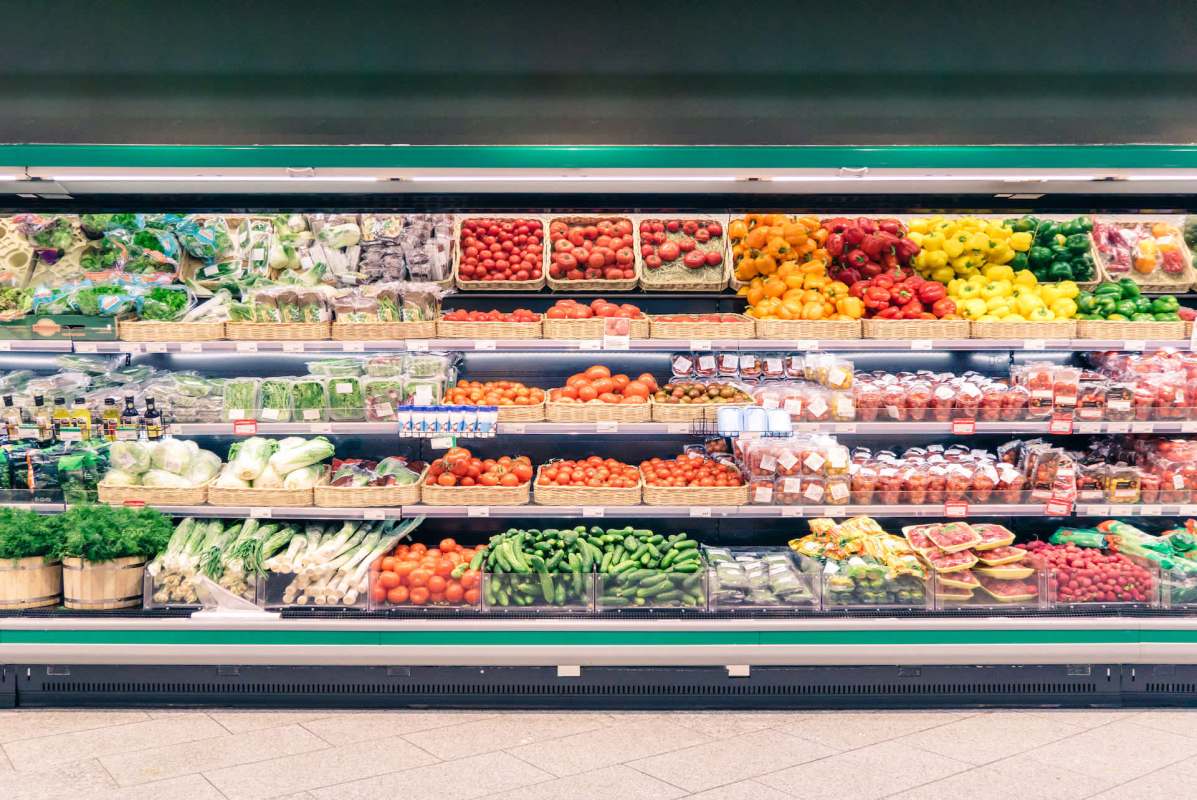
The damage done by major floods in India has caused high prices for vegetables at local markets.
What's happening?
Abnormally heavy rains caused severe flooding in northwestern states in August. This significantly damaged many crops, including paddy, cotton, and cauliflower, according to NDTV Profit News.
Prices of key green vegetables are up 34% at wholesale markets in Delhi. As a major metropolitan area and the country's capital, Delhi sources most of its fresh produce from these neighboring states affected by the floods.
"The rise in vegetable prices reflects the impact of adverse weather conditions on agricultural production in these states," the outlet stated.
Why is it concerning?
Out-of-the-ordinary and severe weather events are becoming more common because of the changing climate. The more dirty fuel pollution we emit into the atmosphere, the worse and more unpredictable weather patterns become.
And whether it's long periods of heat and drought or heavy rainfalls and flooding, erratic and unexpected weather can wreak havoc on crops and their normal growth and harvesting schedules.
When crops get damaged, there's less available to distribute to retailers and sell to customers. This drives up demand and prices for everyone and threatens our food supply.
What's being done about it?
Officials are being urged to monitor future rainfall more closely to avoid putting India's agriculture industry at risk. According to NDTV Profit, more crops in the region that could be threatened by flooding are maize, bajra, green gram, jowar, cotton, and black gram.
"The southwest monsoon, delivering a significant 76% of India's rainfall, calls the shots on the country's agriculture and economy. Its quantum and temporal and spatial distribution impact kharif and rabi crops and food prices, inflation, demand, and consumption," CRISIL Intelligence noted in a report, per NDTV Profit.
|
How often do you worry about your energy bills? Click your choice to see results and speak your mind. |
 Every day 😥
Join our free newsletter for good news and useful tips, and don't miss this cool list of easy ways to help yourself while helping the planet.
TCD Picks » Quince Spotlight
💡These best-sellers from Quince deliver affordable, sustainable luxury for all




Cool Picks




