


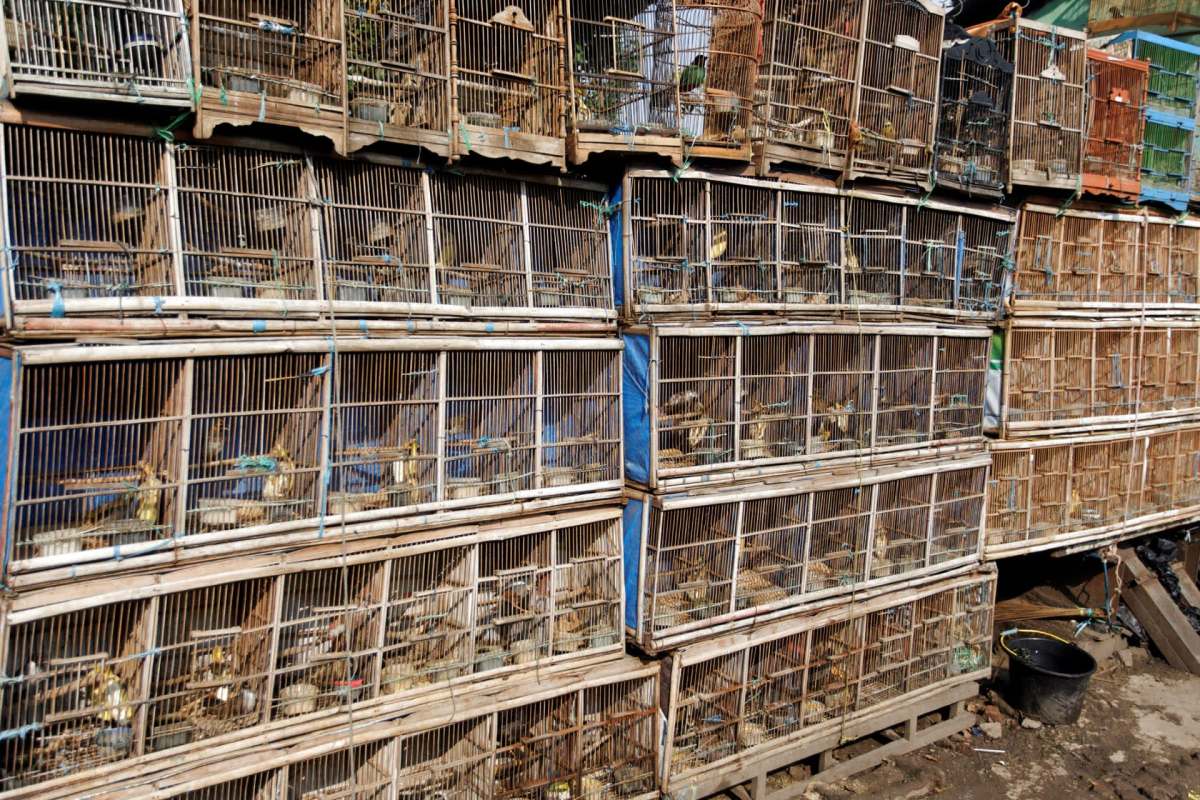
Experts have turned to a scientific technique known as stable isotope analysis to determine whether a seized reptile was illegally smuggled from the wild.
This scientific method will help prosecutors confidently convict illegal wildlife traffickers, stopping the cruel and destructive spread of invasive species in its tracks.
What's happening?
According to a report by The Conversation, researchers are leveraging a century-old scientific technique to better understand a studied organism's history.
Commonly used in fields like archaeology and forensic anthropology, stable isotope analysis involves measuring different isotopes present in a given sample, such as bones, teeth, hair, or other tissue samples.
In particular, scientists are using this very technique to study tissue samples from turtle claws made of keratin, which reveal more information about turtles' long-term diet.
Wild turtles feed on insects, crustaceans, and a variety of native plants, per The Conversation. Captive turtles, on the other hand, tend to have a diet of pellets, farmed fish, and treated water. As such, these dietary differences are reflected in the isotope analysis of turtle claws.
Based on the research, scientists can more accurately distinguish the claws of a wild turtle from those of a turtle born in captivity.
Why is this development important?
Illegal wildlife trafficking is not only difficult to spot, but it is also difficult to convict.
According to The Conversation, the number of live animals seized from Australia has more than tripled since 2017. However, these seizure records only represent a small fraction — less than 10% — of what occurs in the wider illegal wildlife trade network.
Prior to the development of isotope analysis for detecting illicit wildlife, smugglers who were caught in the act claimed that the seized wildlife was legally bred and not stolen from nature — a claim that was hard to prove.
TCD Picks » Quince Spotlight
💡These best-sellers from Quince deliver affordable, sustainable luxury for all




|
Should companies be required to help recycle their own products?
Click your choice to see results and speak your mind. |
 Definitely 👍
 However, science can now conclusively determine that a seized wildlife reptile was indeed stripped from its native habitat, which could lead to more successful convictions and disrupt the black-market wildlife trade.
Successful interceptions also help slow the spread of invasive species into new territories, which can disrupt habitats and the balance of local ecosystems.
Recently, Nigerian customs officials intercepted smugglers attempting to transport an endangered lion cub and patas monkeys en route to West Africa.
Indian officials saved nearly 3,000 live turtle hatchlings of the red-eared slider turtle species after ransacking a Malaysian national's checked luggage, preventing a highly-invasive species from wreaking havoc on the local ecosystem.
What's being done about illegal wildlife trafficking?
According to The Conversation, researchers are thrilled about the widespread use of isotope analysis to curb illegal wildlife trade. While this methodology still requires refinement, it offers an exciting and promising future that can help keep wildlife and ecosystems safe globally.
The researchers envision a global isotope database that would enable overseas authorities to reference, allowing them to determine whether a seized wildlife species was indeed forcibly removed from its native habitat.

Get TCD's free newsletters for easy tips to save more, waste less, and make smarter choices — and earn up to $5,000 toward clean upgrades in TCD's exclusive Rewards Club.
Cool Picks






