


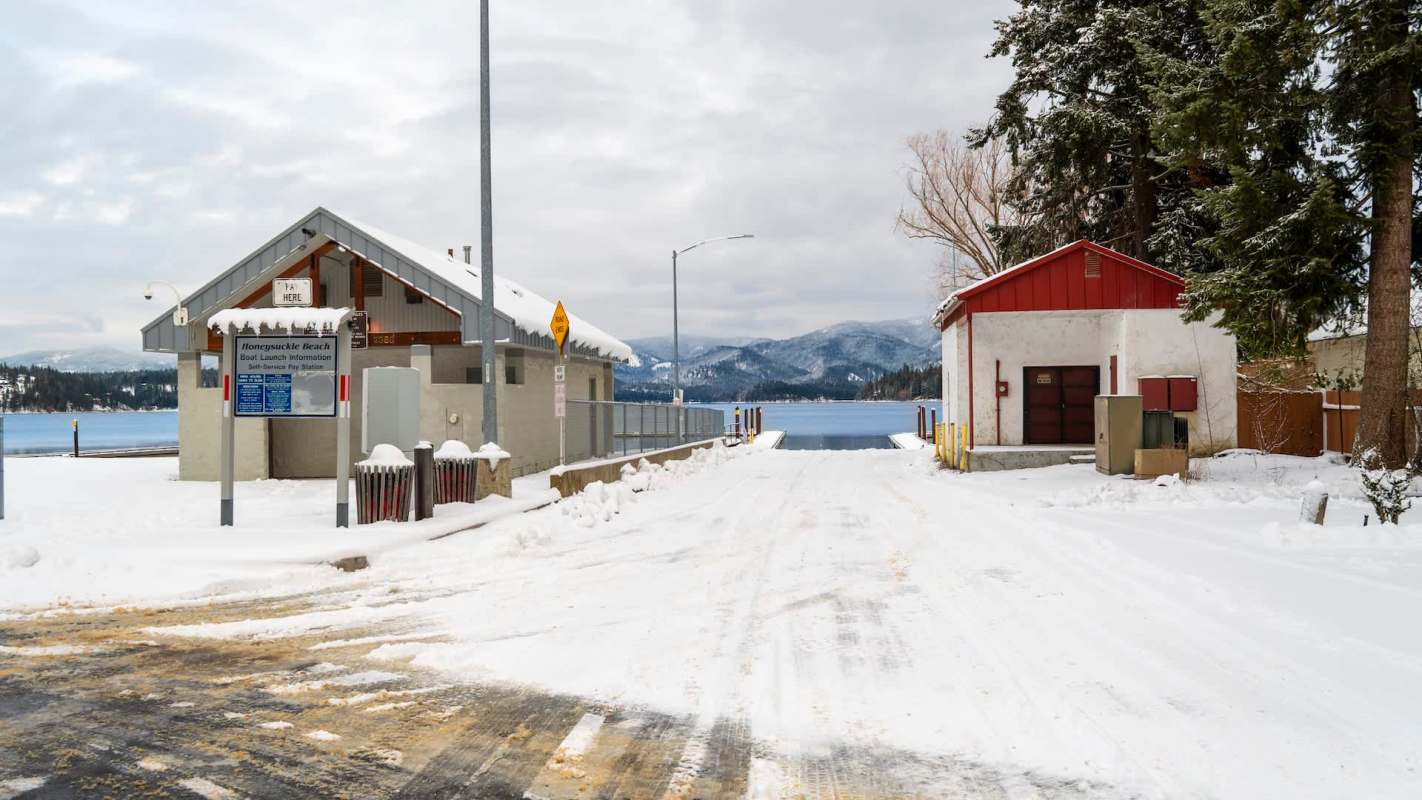
Idaho is facing worsening drought conditions with a lackluster winter yielding low snowpack, Hagadone News Network reported.
What's happening?
The Natural Resources Conservation Service noted in its Idaho Water Supply Outlook Report that the region's snowpack was greatly affected by record warm temperatures, leading to rain falling instead of snow.
The report says snowpack is 55% below normal. Multiple Snow Telemetry, or SNOTEL, sites recorded their lowest snowpack levels in 40 years.
"With only two months left until this area typically reaches its peak snowpack, there isn't much time for conditions to improve," the NRCS warned, noting that Idaho would need "significantly above normal" snowfall to recover.
Snowpack is vital to Idaho's economy. According to the Hagadone News Network, Idaho gets about 75% of its surface water from mountain snowpack, and almost 99% of the withdrawn surface water is used for the state's irrigation and aquaculture.
Idaho is experiencing a snow drought — defined by the National Integrated Drought Information System as abnormally low snowpack for the time of year, often caused by warmer temperatures that shift precipitation from snow to rain.
Why is snow drought concerning?
Snow drought reduces the amount of snowpack that can be released as snowmelt in spring and summer. The NIDIS also noted that snowpack typically functions as a natural reservoir; when levels fall, communities and ecosystems receive a less reliable water supply.
Reduced snowmelt can disrupt agriculture, fisheries, and regional economies while lowering soil moisture and streamflow — creating conditions more prone to wildfires.
Worsening extreme weather patterns, like snow drought, can also endanger lives and livelihoods. Water shortages can strain drinking supplies, threaten crops, raise food prices, and heighten wildfire danger. That can all put public health, community safety, and economic stability at risk.
Extreme winters have always existed, but experts say that rising global temperatures caused by human activity supercharge extreme weather events like snow droughts. A single dry winter may be weather, but repeated warming winters and shrinking snowpack point to a broader long-term trend.
TCD Picks » Upway Spotlight
💡Upway makes it easy to find discounts of up to 60% on premium e-bike brands





|
Which of these savings plans for rooftop solar panels would be most appealing for you?
Click your choice to see results and speak your mind. |
 Save $1,000 this year 💸
 What's being done about it?
The NRCS noted that nearly all of Idaho is facing drought or unusually dry conditions, but it remains optimistic, saying that a lot can change within the next two months.
Across the U.S., communities facing similar water supply issues are developing alternative sources for clean water to be more prepared in case of future droughts. In Texas, officials are building an advanced water purification plant to convert wastewater into drinking water.
Understanding how warming winters affect water supply and economies can help communities be more prepared for future extreme weather events.

Get TCD's free newsletters for easy tips to save more, waste less, and make smarter choices — and earn up to $5,000 toward clean upgrades in TCD's exclusive Rewards Club.
Cool Picks






