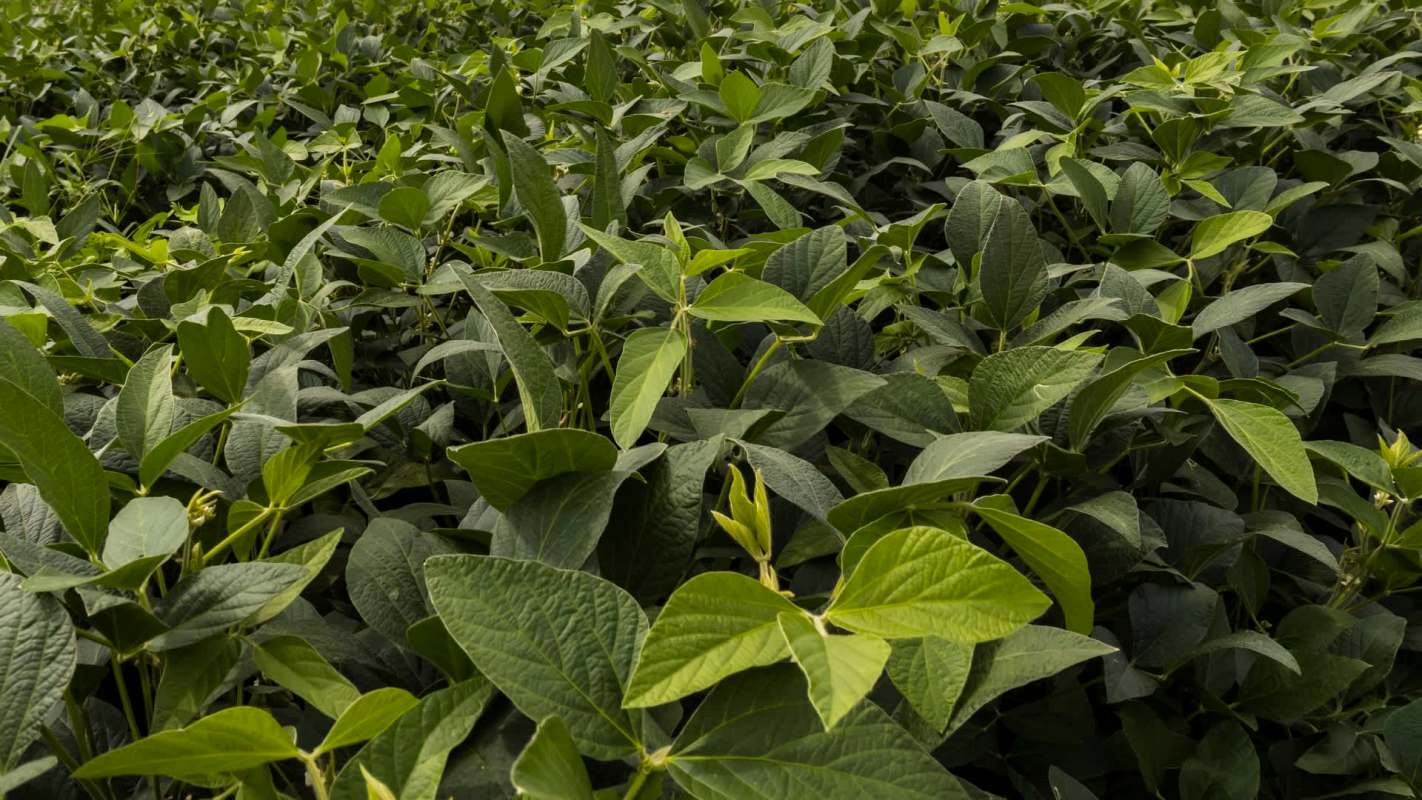
An evolutionary development is raising alarms among scientists: Two of the world's most destructive crop pests have begun interbreeding — creating destructive hybrids that could threaten food supplies.
What's happening?
According to New Scientist, researchers discovered that two notorious agricultural pests — the cotton bollworm and the corn earworm — have successfully interbred in Brazil, exchanging genes that make them more resistant to pesticides in genetically modified crops.
Both insects are moth species whose caterpillars feed on crops. The corn earworm is native to the Americas and attacks corn, tomatoes, potatoes, cucumbers, and other produce. The cotton bollworm, common across Eurasia, feeds on a wide range of plants, including soybeans.
Now both species are in Brazil, and researchers found that they're sharing resistance traits and evolving rapidly. In particular, scientists found that many cotton bollworms now carry genes that make them resistant to "Bt crops" — genetically modified organisms designed to kill insect pests.
"We're just sort of blown away by how rapidly it's happened," said Chris Jiggins, a researcher at the University of Cambridge, per New Scientist.
Why is this important?
Because Brazil is one of the world's largest soybean exporters, this could have serious global consequences. Many countries rely on Brazilian soy to feed people and livestock, meaning problems in those fields can ripple outward quickly.
TCD Picks » Upway Spotlight
💡Upway makes it easy to find discounts of up to 60% on premium e-bike brands





Researchers say these "megapests" can disrupt harvests, drive up grocery prices, and place more strain on farmers already facing unpredictable growing conditions due to rising global temperatures and shifting weather patterns.
More than 90% of Brazilian soy uses Bt proteins. If that protection fails, farmers may clear more land to maintain production — leading to increased harmful carbon pollution that comes from deforestation.
Scientists warn that this issue isn't only bad news for Brazil. These moths can already travel long distances, and global trade makes it easier for resistance to spread. As the planet warms, it's expanding the range of many pests, making biological invasions more likely.
What's being done about megapests?
Farmers are meant to plant "refuge" crops alongside GMO ones, providing pests with nontoxic plants to feed on and slowing the evolution of resistance. However, these guidelines aren't always followed. Seed companies are also developing new crops that contain multiple Bt proteins instead of just one, making it harder for insects to adapt. Still, bringing those products to market is expensive and slow.
TCD Picks » Quince Spotlight
💡These best-sellers from Quince deliver affordable, sustainable luxury for all




|
What's the most you'd pay per month to put solar panels on your roof if there was no down payment?
Click your choice to see results and speak your mind. |
 $200 or more 💰
 Experts say protecting existing safeguards is just as important as developing new ones. Without careful management, technologies can lose their effectiveness faster than expected.
This is a serious reminder that global food systems are interconnected — disruptions in one region can affect grocery bills and dinner tables everywhere. By exploring critical climate issues, individuals can take local action to help us adapt to climate shifts, hopefully preventing environmental crises from spiraling out of control.

Get TCD's free newsletters for easy tips to save more, waste less, and make smarter choices — and earn up to $5,000 toward clean upgrades in TCD's exclusive Rewards Club.
Cool Picks