


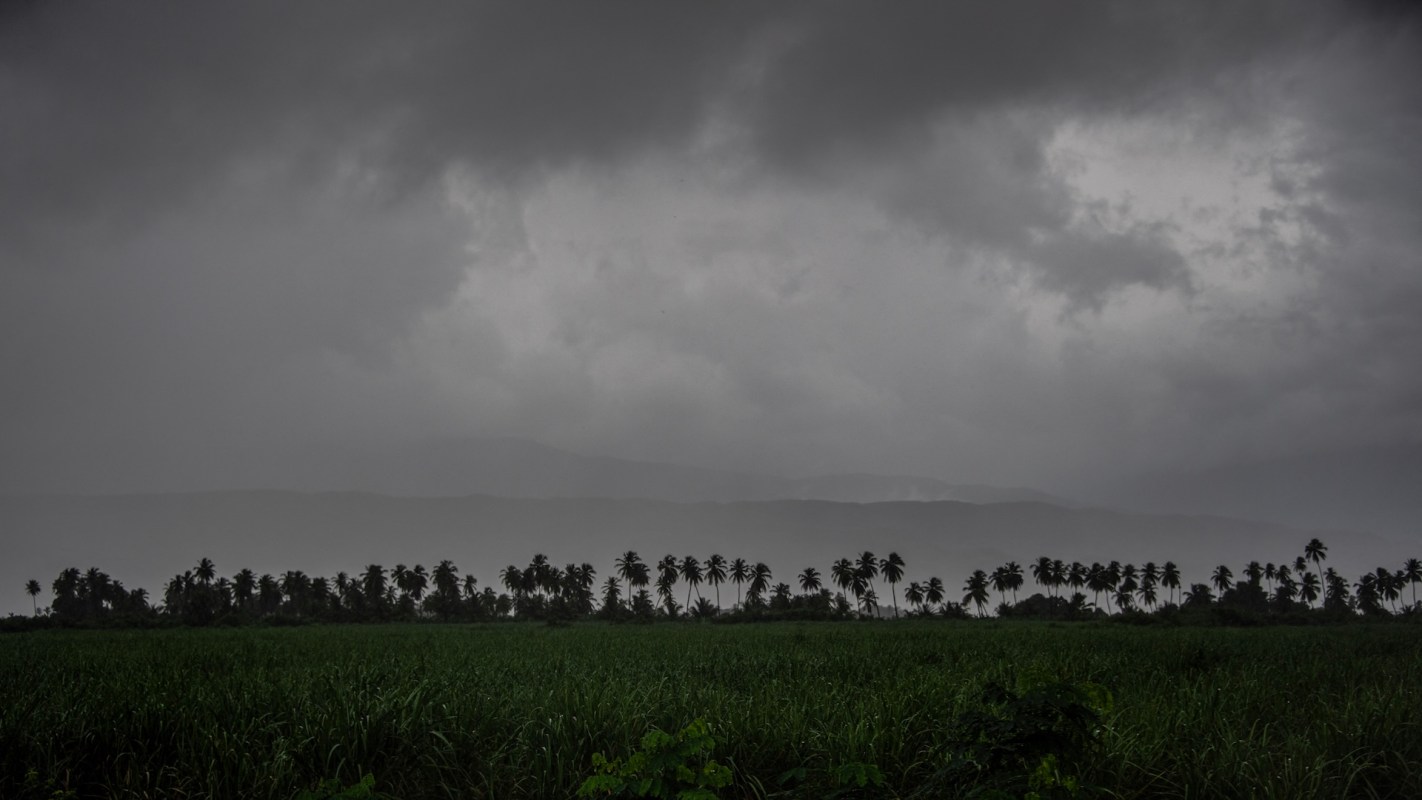
As Hurricane Melissa moved ominously toward Jamaica, meteorologists issued grave warnings about its severity, and CNN explained why the storm was so uniquely alarming to experts.
What's happening?
"The water around Jamaica had been simmering all summer," the outlet began, introducing one of the factors responsible for Hurricane Melissa's unnatural severity.
Melissa made landfall in Jamaica on Tuesday as a Category 5 hurricane, outstripping 2005's Hurricane Katrina with higher wind speeds and lower pressure, according to The New York Times.
In the three days before the storm hit Jamaica, it "underwent two periods of rapid intensification," per CNN, over ocean water that was 2.5 degrees Fahrenheit above average.
In 2019, National Geographic explained how hotter ocean waters "fuel" hurricane intensity, creating a feedback loop of condensation and the clash of cool and warm air masses. As Hurricane Melissa barreled through the Caribbean, it strengthened in these conditions.
Massachusetts Institute of Technology hurricane expert Kerry Emanuel warned, per CNN, that storms like Melissa are becoming stronger and more frequent in recent years — and that the pattern was clear.
TCD Picks » Quince Spotlight
💡These best-sellers from Quince deliver affordable, sustainable luxury for all




"In short, nature continues to reaffirm the basic laws of thermodynamics," scientist Steve Bowen told CNN.
Why is this important?
Meteorologists, researchers, and scientists have been bluntly sounding the alarm about the threat posed by extreme weather, a relatively novel phenomenon with a known cause.
Former National Oceanic and Atmospheric Administration scientist Jim Kosser spoke to CNN about Melissa's predictable intensification and ensuing devastation.
He described the effect as "relatively straightforward" and likely attributable to human activity.
|
Do you feel safe drinking the tap water where you live? Click your choice to see results and speak your mind. |
 Always 👍
 "The very warm water almost certainly has a human fingerprint on it and there is no question that this warm water played a key role in Melissa's intensity and intensification rate," Kosser explained.
It's easy to infer that because hurricanes have always occurred and predate industrialization, that "extreme weather" means something like "a really strong hurricane." In actuality, extreme weather is something entirely different.
As average temperatures rise and seas warm worldwide, the "feedback loop" mentioned above supercharges diverse forms of extreme weather, such as hurricanes, floods, and wildfires.
University of California, Los Angeles, climate researcher Daniel Swain told CNN that in what he called "situations like this," the "subsequent devastation will have been made worse, significantly worse" by higher average temperatures on land and at sea.
In other words, as long as temperatures climb, superpowered hurricanes, floods, and storms will remain the norm, not the exception.
What's being done about it?
Despite the massive threat it poses to the planet, extreme weather is often poorly understood or mistaken for routine intense weather.
Staying informed about issues like how the climate influences weather is, as experts emphasized, a critical part of staying safe and being prepared.

Join our free newsletter for good news and useful tips, and don't miss this cool list of easy ways to help yourself while helping the planet.







