


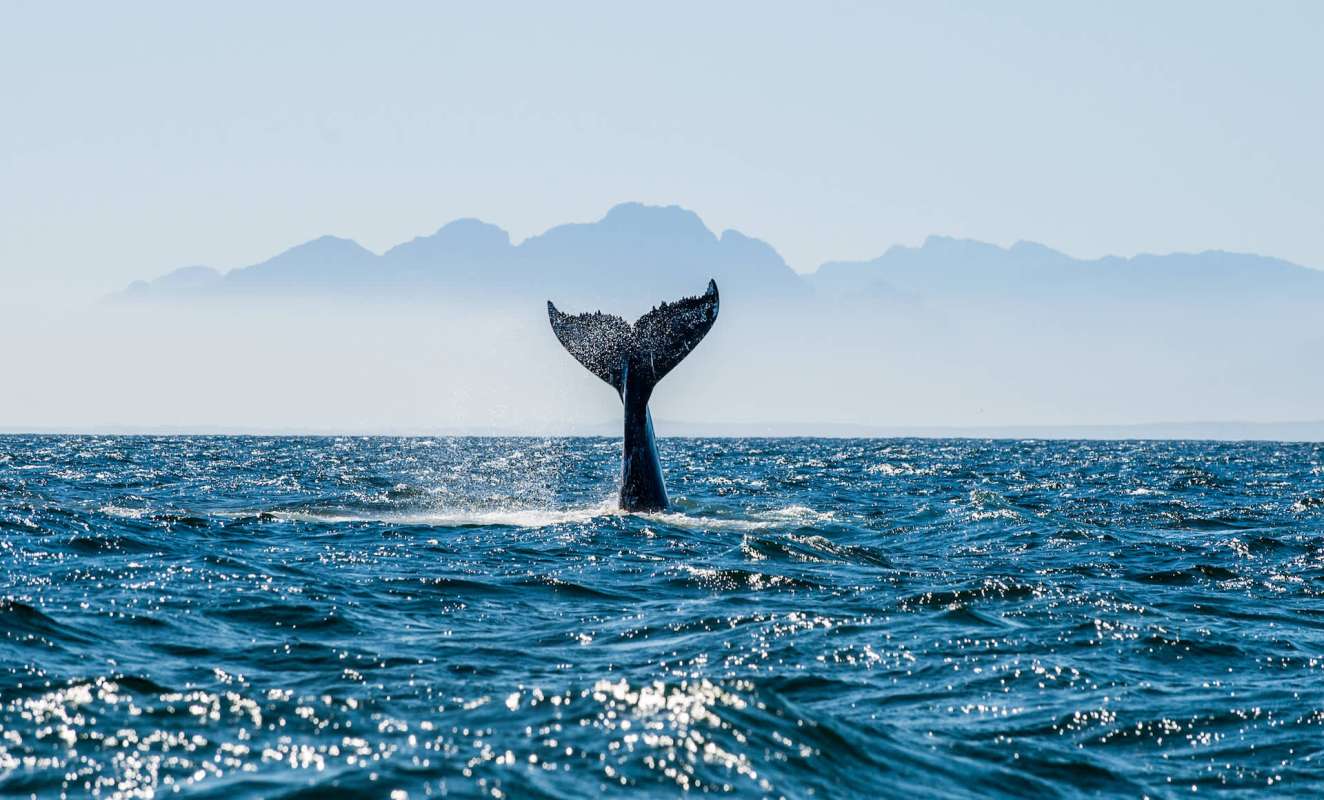
News of Australia's "humpback comeback" is making waves worldwide.
Once hunted to near extinction, humpback whales along the nation's east coast have rebounded to an estimated 50,000 individuals. According to Mongabay, these numbers are up from only a few hundred before commercial whaling was banned in the 1970s.
Marine wildlife scientist Dr. Vanessa Pirotta called the recovery "a genuine conservation success story" and one worth celebrating. She told Mongabay the milestone offers proof that coordinated protection can bring marine species back from the brink.
"It's an important reminder that humpback whales are so incredibly important to the everyday person, to the functioning of the ecosystem … now we have recovering numbers, we must do more," she said. Pirotta hopes the comeback inspires greater focus on other whales that continue to struggle, including southern right and blue whales.
For coastal communities, the resurgence is visible and deeply felt. Whale-watching tourism has become a major seasonal draw along Australia's east coast, while thriving whale populations strengthen marine ecosystems that sustain local fisheries and biodiversity. Scientists also note that healthy whale populations help regulate carbon and nutrient cycles, reinforcing ocean stability in a warming climate.
Still, researchers warn that success comes with new responsibility. The whales' main food source — Antarctic krill — faces renewed pressure after international protections recently lapsed, allowing expanded industrial harvesting.
Pirotta described krill as a keystone species for whales, penguins, and seals, stressing that "efforts to protect krill populations are incredibly important. … There are gaps where there probably shouldn't be."
Australia's humpback rebound joins a growing list of conservation wins showing how recovery is possible with sustained protection — from the rusty patched bumblebee's return in the American Midwest to the rebound of the Karner blue butterfly in the Northeast. For Pirotta, these stories prove that strong science and long-term commitment can bring species, and the ecosystems they anchor, back to life.
Their return is proof that even the largest recoveries rest on the smallest lives — and that endurance, not abundance, defines real success.
|
Do you think America does a good job of protecting its natural beauty? Click your choice to see results and speak your mind. |
 Definitely 👍
💰Get TCD's free newsletters for easy tips to save more, waste less, and make smarter choices — and earn up to $5,000 toward clean upgrades in TCD's exclusive Rewards Club.
Cool Picks




