


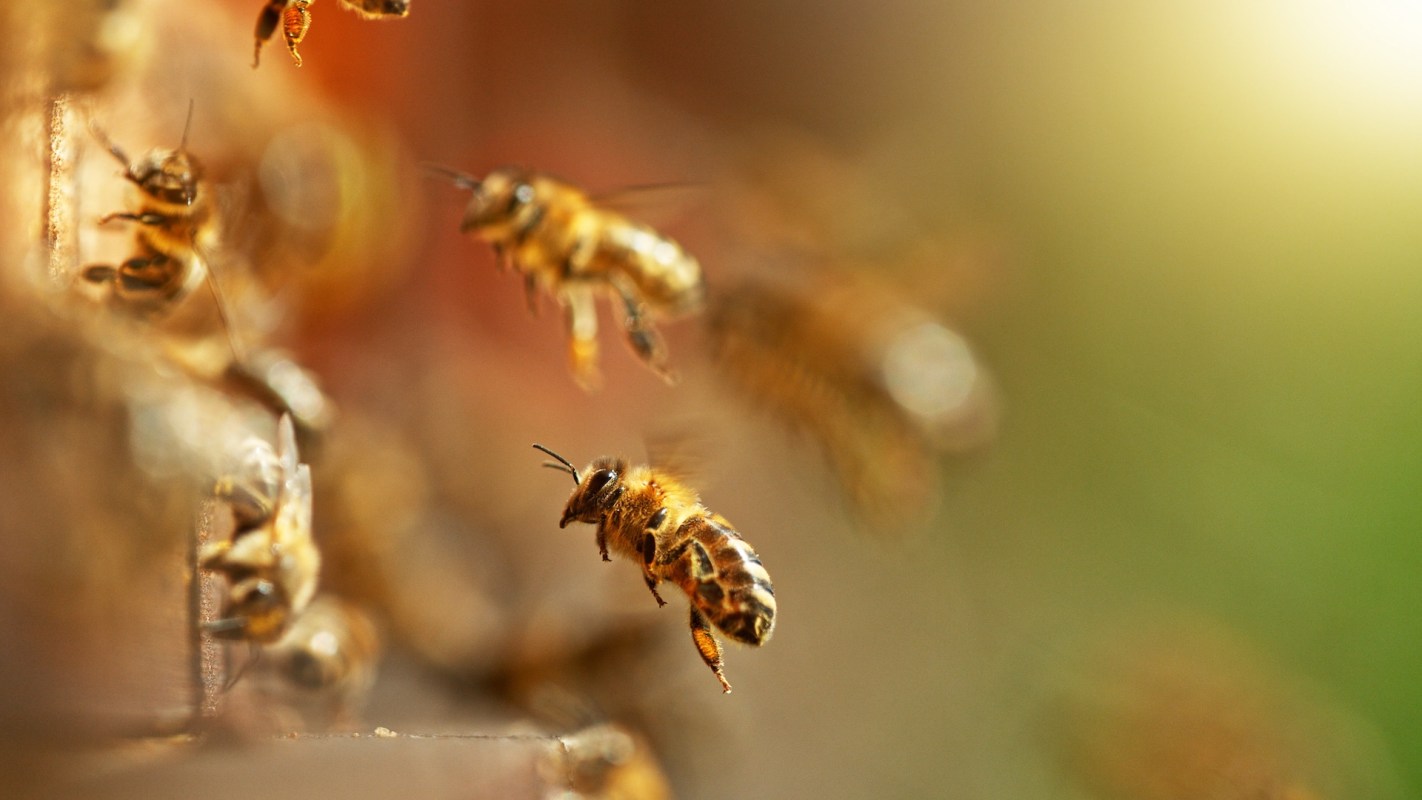
Rising global temperatures have had far-reaching effects, from sea-level rise to ecosystem disruption to the spread of disease. However, a new study highlights how a warmer planet impedes honeybee colony survival, with dire consequences for food security.
What's happening?
Researchers have long been concerned about honeybees, wondering to what extent extreme heat was contributing to their population declines. Although they knew that the bees cool their hives by flapping their wings, they hadn't fully understood the limits of this ability.
In a recent study from the University of Chicago, scientists placed nine colonies in the desert, where temperatures exceeded 40 degrees Celsius (104 degrees Fahrenheit). They measured heat levels in different parts of the hive and counted the number of bees every two weeks.
What they found was alarming. Despite the bees' efforts to regulate the internal temperatures, the center of the hives exceeded the optimal range for 14% of the day, rising to 33% at the edges of the nursery area.
The experts stated that if prolonged heat periods occurred more often as a result of the climate crisis, "this could limit regions where colonies can successfully survive the summer."
Why is the honeybee die-off concerning?
Honeybees are critical pollinators for food security, ensuring that the world has plenty of fruits and vegetables to eat each day. Several luxury commodities, including coffee and chocolate, also rely on healthy bee colonies.
Their decline also affects animal-based protein production by reducing livestock feed yields. For instance, bees are crucial for growing alfalfa and clover, which farmers feed to dairy cows, beef cattle, sheep, and goats.
If crop production decreases due to a lack of honeybees, the growing global food demand will strain supply, leading to higher grocery prices for consumers. In 2024, U.S. beekeepers lost over 60% of their colonies, resulting in $635 million in damage and lessening the quality and quantity of food.
Future impacts will be most pronounced in countries across Africa and the Middle East. However, many Americans are currently facing a hunger crisis. About 13.5% of U.S. households were food insecure in 2023, with 8.4% and 5.1% facing low and very low food security, respectively.
What can you do to help save honeybees?
There are several things you can do to help save honeybees right in your backyard. Swapping invasive plants for native flora is a great first step. For example, one gardener planted lush Carolina climbing aster on a trellis, attracting an abundance of bees.
Limiting the amount of pesticides and herbicides you use — which reduces their life expectancy by 70% — providing a safe water source, and allowing parts of your yard to grow wild are other effective ways to help honeybees flourish.
TCD Picks » Quince Spotlight
💡These best-sellers from Quince deliver affordable, sustainable luxury for all




|
What's the most you'd pay per month to put solar panels on your roof if there was no down payment?
Click your choice to see results and speak your mind. |
 $200 or more 💰
Get TCD's free newsletters for easy tips to save more, waste less, and make smarter choices — and earn up to $5,000 toward clean upgrades in TCD's exclusive Rewards Club.
Cool Picks




