



A homeowner took to Reddit to share photos of a charming backyard guest: an echidna slowly foraging through their garden. The user posted images of the spiny animal to r/australianwildlife and wrote that it had appeared three times in the past month, happily "destroying any ant colonies around the backyard and even … turning over soil in the vegetable garden."
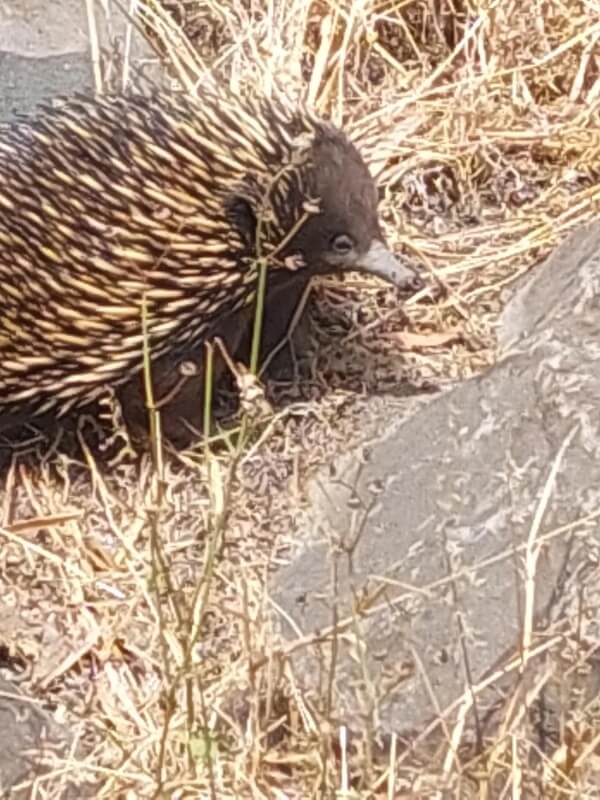
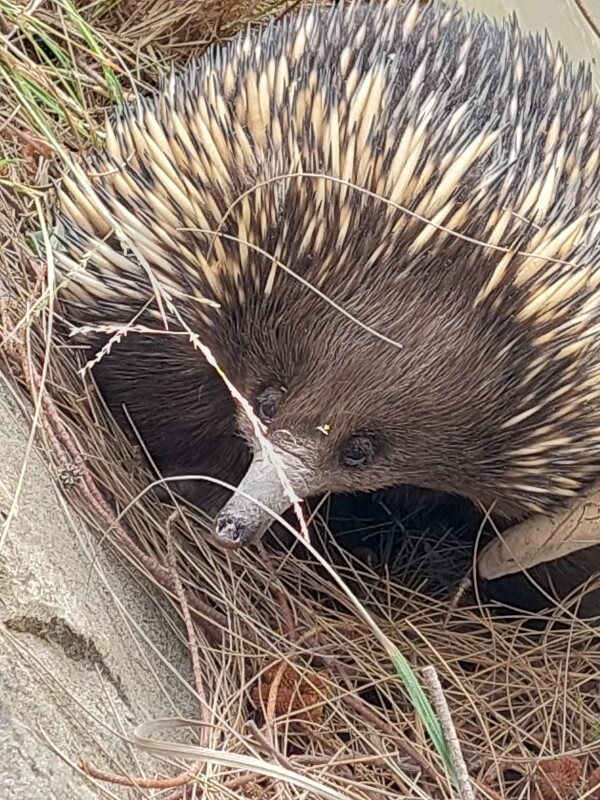
Nicknamed "spiny anteaters," echidnas are native Australian mammals that primarily feed on ants and termites, using long, sticky tongues and powerful claws to dig into nests. Their insect-heavy diet makes them beneficial garden visitors that naturally control pest populations while gently aerating soil during foraging.
Despite their porcupine-like appearances, echidnas are not closely related to porcupines, and what look like their quills are actually modified hairs.
Encounters such as this are more likely when homeowners embrace "rewilding," or, in other words, landscaping with native plants suited to the local climate. Native gardens require far less watering, fertilizing, and maintenance than conventional monoculture lawns because the vegetation has adapted to local conditions.
This translates into meaningful savings in time, energy, and money and also reduces the need for chemical pesticides.
Rewilded yards play an important role in supporting biodiversity. Native plants provide food and shelter for insects, birds, and small mammals, sustaining healthy ecosystems even in suburban environments.
Increased biodiversity strengthens ecosystems by making them more resilient and productive, giving wildlife safe places to forage and take refuge. Homeowners may also notice improved soil health and fewer invasive pests as native species reestablish ecological balance.
For the homeowner who welcomed the prickly visitor, the benefits were immediate and visible. The echidna's repeated trips to the yard suggested a thriving habitat and a garden doing exactly what nature intended. Sometimes, the most rewarding landscaping upgrade isn't a perfect lawn but a backyard lively enough to attract wild neighbors.
"You are truly blessed," one Redditor said.
|
Which of these savings plans for rooftop solar panels would be most appealing for you?
Click your choice to see results and earn rewards to spend on home upgrades. |
 Save $1,000 this year 💸
Get TCD's free newsletters for easy tips to save more, waste less, and make smarter choices — and earn up to $5,000 toward clean upgrades in TCD's exclusive Rewards Club.
TCD Picks » Quince Spotlight
💡These best-sellers from Quince deliver affordable, sustainable luxury for all




Cool Picks




