


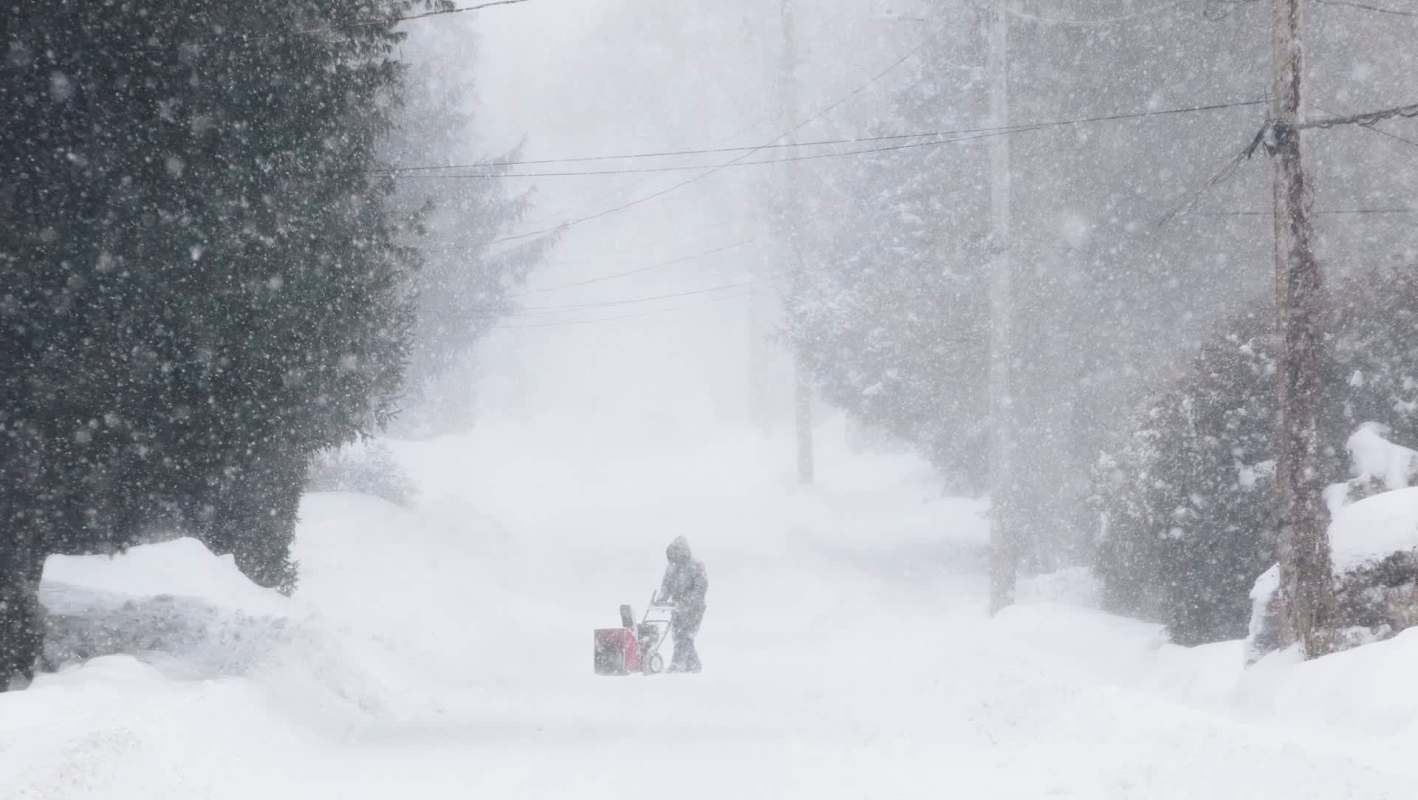
The potentially historic winter storm this weekend will impact a wide area of the country, dumping heavy snow and ice across large swaths from New Mexico to New York. The bitter blast of Arctic air that is fueling the massive system will slip as far south as southern Texas.
"Extreme and record-breaking temperatures will spread across the eastern half of the country as the storm progresses, causing rapid changes," cautioned CNN. "Dallas' afternoon apparent temperature, which accounts for wind to determine what it 'feels like' outside, could be 40 degrees colder Saturday than Thursday."
The scope and severity of the storm are even surprising experienced storm chasers. "Wow," reacted Jaden Pappenheim, a storm tracker with 390,000 followers on Facebook, on the social platform X. "We haven't seen a signal this strong for a major winter storm in a very long time. This could be the kind of storm you remember forever."
More than 146 million people across portions of at least 37 states were under a cold weather advisory as of Friday afternoon. Another 86 million people in 21 states were under a winter storm warning. Nearly 17 million people in nine southern states were under an ice storm warning.
Heavy snow is expected to fall in the colder part of the storm, with up to 1 foot or more accumulating in a swath stretching from the Texas Panhandle through central Oklahoma, eastward into parts of Kentucky, West Virginia, Pennsylvania, New York, Massachusetts, Rhode Island, and Connecticut.
Up to 18 inches of snow is forecast for eastern Oklahoma. "Blowing and drifting snow may occur," according to meteorologists with the Tulsa National Weather Service Office. "Dangerous to near-impossible travel conditions are expected area-wide, with impacts likely to continue into next week given the forecasted snow and sleet amounts. Localized power outages may occur."
Where freezing rain falls within the storm, the damage could be catastrophic, affecting infrastructure, travel, and daily life in several southern states. "Significant icing, with additional impacts from accumulating sleet expected," noted an ice storm warning for the western North and South Carolina as well as northern Georgia, issued by the Greenville-Spartanburg National Weather Service office. "Total snow and sleet accumulations up to 2 inches and ice accumulations between one-half and 1 inch."
Arctic air will slide as far south as southern Texas this weekend behind the storm. The bitter blast of cold air will compound problems caused by the storm, especially in areas hardest hit by snow and ice. Power outages lasting from a few days to several are expected in many states along the storm's path.
"These kinds of events don't happen despite a warming climate...they're connected to it, especially when it comes to ice and snow totals," according to researchers with the nonprofit Climate Central. They pointed out that unusually warm Pacific waters south of Baja were "made 50x more likely by carbon pollution."
Similarly, unusually warm water in the Gulf was made more likely by our overheating planet. The relatively warm, moist air rising from these two bodies of water will supercharge the storm.
TCD Picks » Quince Spotlight
💡These best-sellers from Quince deliver affordable, sustainable luxury for all




|
How often do you worry about air pollution where you live? Click your choice to see results and speak your mind. |
 Always 😷
 "A warmer atmosphere is a thirstier one," added Climate Central. "It can hold more moisture.
"Warmer oceans boost evaporation, loading this winter storm with extra moisture. When that moisture falls through Arctic air, it can mean higher rain, sleet, & snow totals."
Our planet's warming is altering the jet stream, creating unusual weather patterns and making extreme winter weather events in more unusual places, like the normally milder southern U.S., more common. That warming is also affecting winter weather in places more normally associated with bitter cold and heavy snow. Scientists suspect our warming world boosted a record-breaking snowstorm, one of the worst in over six decades, that struck Russia's Far East earlier this month.

Get TCD's free newsletters for easy tips to save more, waste less, and make smarter choices — and earn up to $5,000 toward clean upgrades in TCD's exclusive Rewards Club.
Cool Picks






